Free AI web copilot to create summaries, insights and extended knowledge, download it at here
3838
Abstract
poached in liquorice, or a chicken liver mousse resembling an orange. In 2005, it was <a href="https://web.archive.org/web/20121027190727/http://www.theworlds50best.com/past-winners/2005-award-winners/">named</a> the best restaurant in the world.</p><figure id="bbae"><img src="https://cdn-images-1.readmedium.com/v2/resize:fit:800/0*RYZE2EG839akzUdl.jpg"><figcaption>By Irene — Flickr: Meat Fruit</figcaption></figure><p id="5154">If you’re an adventurous foodie and you want your menus to feature lots of liquid nitrogen or phrases like “passionfruit reduction”, Britain’s the place to be.</p><p id="9a1a">My tastes are a little more pedestrian, but one of my favourite British foods is also quite a recent invention: the banoffee pie.</p><p id="5541">The whipped cream, caramel and buttery biscuit base are all quintessentially British, while the bananas are a hint that this pie only dates back to the 1970s. Hardly an ancient and hallowed recipe that was passed down over untold generations — but it still tastes wonderful.</p><figure id="0d85"><img src="https://cdn-images-1.readmedium.com/v2/resize:fit:800/0*KlSXK4ss8XtA9bWf.jpg"><figcaption>By Mikael Wiman — Flickr</figcaption></figure><p id="1e6d">Many people from Italian, Spain and France believe their grandmothers are the best cooks in the world. I’m well aware that none of my grandparents can cook to save their lives. But perhaps that awareness makes Brits more experimental in the kitchen. Unlike Italians, Brits are happy to experiment with recipes.</p><p id="b894">This mentality might also be why Britain is one of the best European countries at catering towards dietary requirements. If you’re gluten-intolerant, vegetarian, or (god help you) a <i>vegan</i>, countries like France can be challenging. Chefs treat these limits like a personal insult. Britain is much more accommodating.</p><figure id="08ed"><img src="https://cdn-images-1.readmedium.com/v2/resize:fit:800/0*z20KlAiY_HMAS8-Q"><figcaption>Photo by Ivana Milakovic on Unsplash</figcaption></figure><h2 id="7fce">Quality of produce</h2><blockquote id="ccb4"><p>“You don’t have to cook fancy or complicated masterpieces — just good food from fresh ingredients.” <i>Julia Child.</i></p></blockquote><p id="d0a5">It’s not just on ultra-processed food that the British Isles shine. In many areas, the quality of their local produce is world-leading.</p><p id="72ae">Being islands with enormous coastlines and many lakes and rivers, it stands to reason that seafood would be one such example. Scottish salmon was the first non-French food ever to receive the prestigious Label Rouge distinction.</p><figure id="5653"><img src="https://cdn-images-1.readmedium.com/v2/resize:fit:800/0*vaHc4U8e3zU0aRrN"><figcaption>Photo by Christine Siracusa on Unsplash</figcaption></figure><p id="634c">The quality of local Dover sole, hake, turbot, lobster, oysters and scallops is also held in high esteem.</p><p id="26e0">The islands are also known for excellent beef, lamb, and dairy products, particularly cheese and cream.</p><p id="f177">And as much as the rain is a nightmare when you live there, it allows for a huge variety of quality fruit and vegetables, including apples, pears, rhubarb, a vast range of berries, root vegetables and leafy greens.</p><figure id="3556"><img src="https://cdn-images-1.readmedium.com/v2/resize:fit:800/0*rbKhHtP78c3p5bLB"><figcaption>Photo by Timo Volz on Unsplash</figcaption></figure><h2 id="2d90">Immigrants</h2><p id="f7d9">Brits who are famous for cooking, like Gordon Ramsey, have often trained somewhere abroad, like France.</p><p id="728b">But most of the time, it’s much easier just to directly import that cooking expertise through immigration.</p><p id="c0a7">Britain has vast numbers of immigrants, often from former British colonies (India, Pakistan, Hong Kong, Jamaica
Options
, Kenya, South Africa, Cyprus etc) but also its European neighbours — there are <a href="https://www.bbc.com/news/magazine-26823489">almost</a> 300,000 French in the UK, roughly <a href="https://www.i3italy.org/2022/11/03/quanti-italiani-in-inghilterra/">500,000</a> Italians, and at least <a href="https://www.theguardian.com/uk/2011/aug/01/turkish-immigration-possibilities-assessed">500,000</a> Turkish. More generally, the English language’s role as the global lingua franca draws in expats from all over the globe.</p><figure id="da73"><img src="https://cdn-images-1.readmedium.com/v2/resize:fit:800/0*PPz70App0llJUjJ4.jpg"><figcaption>By Stevvvv4444 — Flickr</figcaption></figure><p id="1923">This means that high-quality food from pretty much every major cuisine can be found in the UK. By all means, try a local dish like shepherd’s pie if you’re only visiting for a weekend, but you can easily find great Indian or Peruvian restaurants if the pie isn’t to your liking.</p><p id="7b4b">Immigrants also contribute massively to the preparation of more “classically British” foods. From the 1960s, many fish and chip shops were run by Italian families; today, the owners are as likely to be Chinese as British. Actually, battered and fried fish <a href="https://www.timesofisrael.com/the-surprising-jewish-history-behind-fish-n-chips/">first arrived</a> in Britain via Portuguese Jews.</p><figure id="ae27"><img src="https://cdn-images-1.readmedium.com/v2/resize:fit:800/0*ldWFrpJs2z9wg0GL.jpg"><figcaption>By Matthias Meckel — CC BY-SA 4.0, https://commons.wikimedia.org/w/index.php?curid=74468548</figcaption></figure><h2 id="6feb">Beverages</h2><p id="5335">Drinks are often neglected when we talk about gastronomy, but this is where the British Isles really shine. Scottish and Irish whiskey; English and Irish cider; English gin; Irish cream liqueur; English mead. These drinks are all indisputably amongst the best in the world in their categories.</p><p id="8a4a">There’s also a huge range of stouts and ales to choose from across the isles, with Guinness probably being the most famous.</p><p id="1647">Not very well known even at home, English wine is also fantastic. In particular, the best sparkling wines from Kent and Sussex <a href="https://www.bbc.com/news/magazine-23008300">are</a> <a href="https://www.standard.co.uk/news/uk/english-sparkling-wine-is-better-than-champagne-according-to-parisian-experts-a3230226.html">now</a> of equivalent quality to good champagne.</p><figure id="cb9c"><img src="https://cdn-images-1.readmedium.com/v2/resize:fit:800/0*0MaIxhULvc_Aw6yO"><figcaption>Photo by Anthony DELANOIX on Unsplash</figcaption></figure><p id="d490">At the end of the day, Britain and Ireland don’t have the same deeply ingrained food culture that can be found in places like China or Mediterranean Europe. Too many people continue to treat food as a time-consuming necessity akin to brushing your teeth or cleaning your bedsheets.</p><p id="563b">I’ve met lots of travellers who’ve endured horrific food experiences in Britain and Ireland. I sympathise fully. I’ve had some horrific ones myself. But for people who do care about food, few places offer the variety and quality that you can find across hundreds of towns in Britain and Ireland.</p><p id="ca3f">I’m currently in Italy, the land of a thousand food clichés. Admittedly, I eat very well here. However, I miss visiting the fishmonger of the harbour town I grew up in. I fondly remember traditional gastropub dinners in the Peak District. I wish I could find literally a single Pakistani restaurant in this entire city. Most of all, I miss proper breakfasts.</p><figure id="01a2"><img src="https://cdn-images-1.readmedium.com/v2/resize:fit:800/0*mOtwkPi2btaj1pU7"><figcaption>Photo by Nonsap Visuals on Unsplash</figcaption></figure></article></body>
When you think of great food, you might think of fresh sushi, pizza straight from a wood-fired oven, or Texan barbecue.
Perhaps you admire France’s extensive network of fine dining establishments, or you love the availability of cheap and convenient street food in Mexico.
However, there’s one thing that everyone, regardless of their culinary taste, can agree on: British food is absolutely terrible.
… Right?
Well, I’m not going to extoll the virtues of jellied eels . I’d recommend you stick with the sushi.
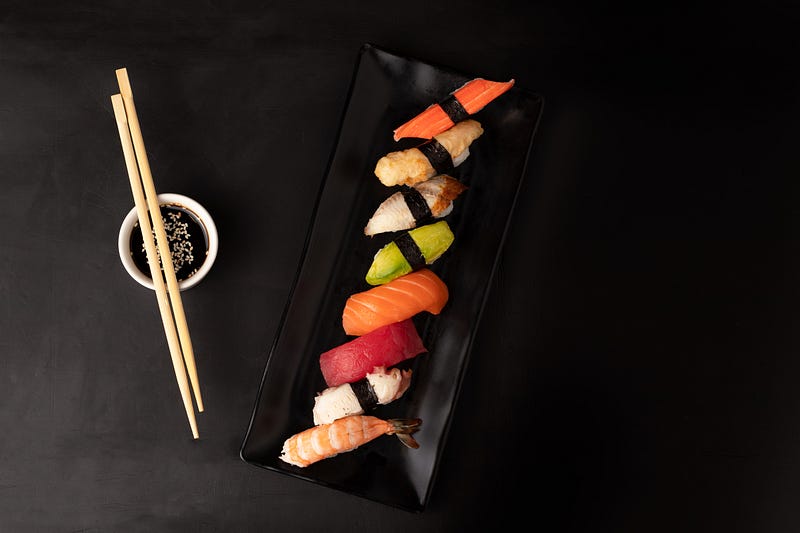
As the saying goes, there’s no smoke without a fire, and Britain has done plenty to deserve its reputation as a nightmare for anyone who cares about good food. Extreme rationing during and after World War II, a tendency to boil things that should be roasted, and a total disinterest in seasoning have all helped create one of Europe’s more eyebrow-raising cuisines.
But Britain has enjoyed something of a gastronomic revolution over the past few decades. Every major city in the country is now overflowing with artisanal sourdough bakeries and vegan sushi. Much of this food is atrocious too, but Britain has proudly become one of the world’s capitals of food.
London has even been chosen as the world’s greatest food city by National Geographic.

For the purposes of this article, I’ll be lumping the British Isles (Britain and Ireland) together, which makes sense given their shared geography and history. And while I won’t shy away from pointing out the absurdities of British and Irish food culture, I’ll hopefully make a compelling case for why these islands are as good as anywhere on the planet for a foodie to live.
British food is extraordinarily creative. Nobody but the Scots would have thought of deep-frying a Mars bar, to give one infamous example.
For a long time, that creativity was limited by sheer lack of resources. Rationing only ended in 1954, and certain foods were affected for much longer — many traditional British cheese varieties almost disappeared due to controls on milk production, only being revived after government influence over the dairy industry ended in the 1990s.
Today, Britain is a more prosperous place, and its inhabitants are positively urbane. No finer example of that exists than The Fat Duck, the molecular-gastronomy-oriented fine dining spot known for bizarre dishes like salmon poached in liquorice, or a chicken liver mousse resembling an orange. In 2005, it was named the best restaurant in the world.
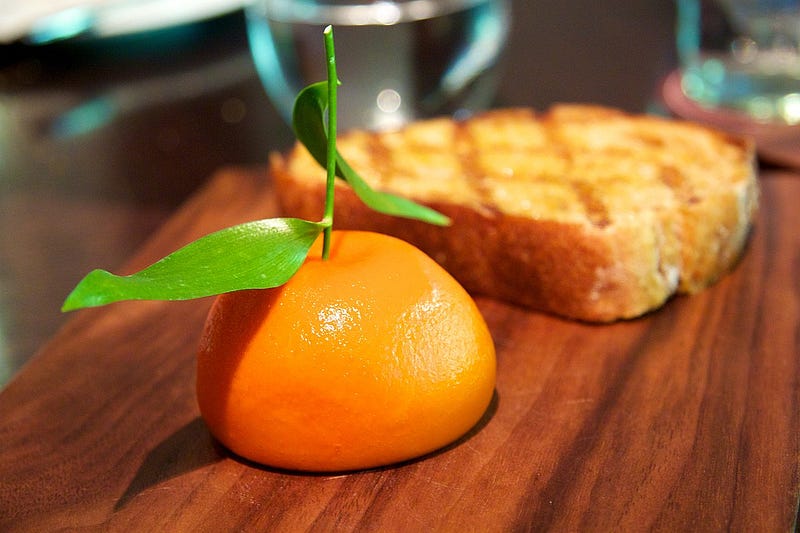
If you’re an adventurous foodie and you want your menus to feature lots of liquid nitrogen or phrases like “passionfruit reduction”, Britain’s the place to be.
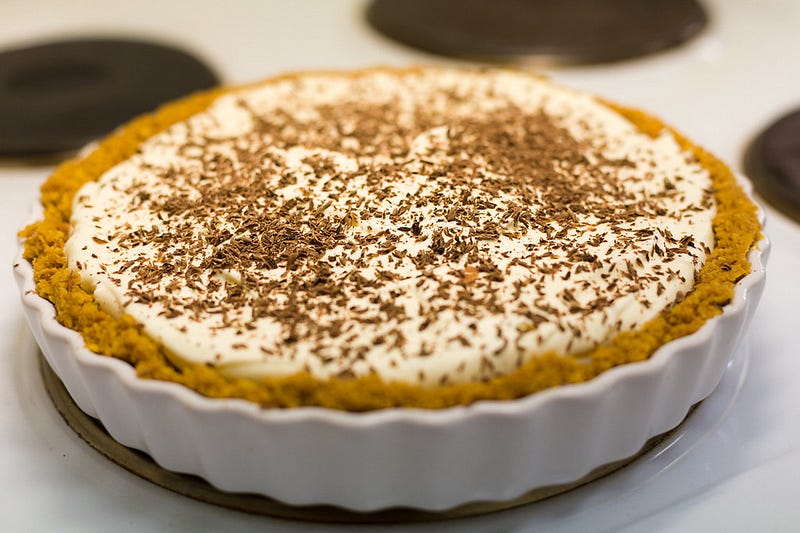
My tastes are a little more pedestrian, but one of my favourite British foods is also quite a recent invention: the banoffee pie.
The whipped cream, caramel and buttery biscuit base are all quintessentially British, while the bananas are a hint that this pie only dates back to the 1970s. Hardly an ancient and hallowed recipe that was passed down over untold generations — but it still tastes wonderful.
Many people from Italian, Spain and France believe their grandmothers are the best cooks in the world. I’m well aware that none of my grandparents can cook to save their lives. But perhaps that awareness makes Brits more experimental in the kitchen. Unlike Italians, Brits are happy to experiment with recipes.
This mentality might also be why Britain is one of the best European countries at catering towards dietary requirements. If you’re gluten-intolerant, vegetarian, or (god help you) a vegan, countries like France can be challenging. Chefs treat these limits like a personal insult. Britain is much more accommodating.
“You don’t have to cook fancy or complicated masterpieces — just good food from fresh ingredients.” Julia Child.
It’s not just on ultra-processed food that the British Isles shine. In many areas, the quality of their local produce is world-leading.
Being islands with enormous coastlines and many lakes and rivers, it stands to reason that seafood would be one such example. Scottish salmon was the first non-French food ever to receive the prestigious Label Rouge distinction.
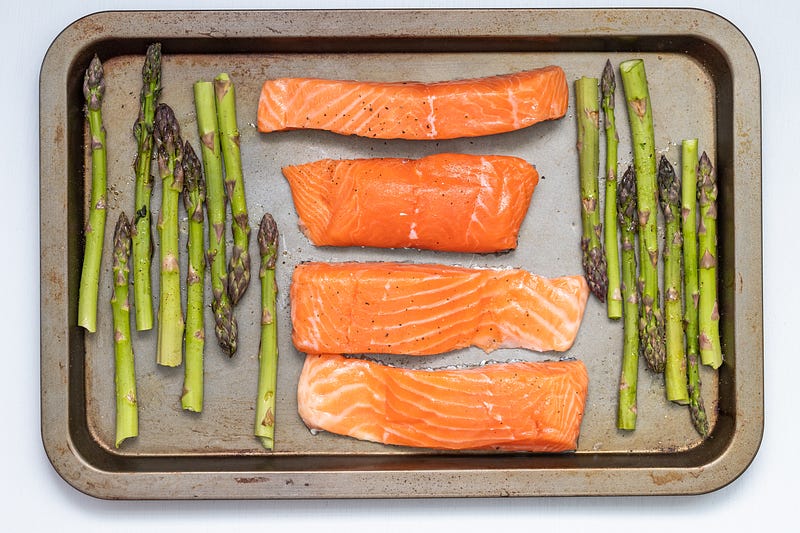
The quality of local Dover sole, hake, turbot, lobster, oysters and scallops is also held in high esteem.
The islands are also known for excellent beef, lamb, and dairy products, particularly cheese and cream.
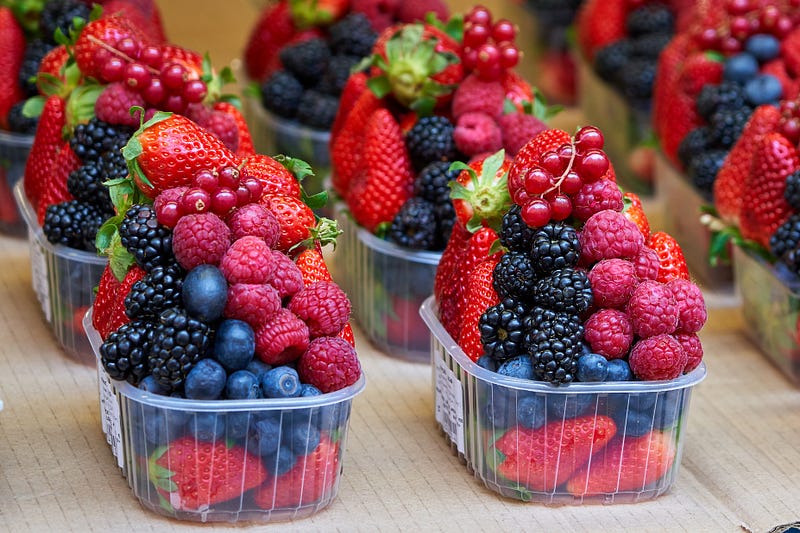
And as much as the rain is a nightmare when you live there, it allows for a huge variety of quality fruit and vegetables, including apples, pears, rhubarb, a vast range of berries, root vegetables and leafy greens.
Brits who are famous for cooking, like Gordon Ramsey, have often trained somewhere abroad, like France.
But most of the time, it’s much easier just to directly import that cooking expertise through immigration.
Britain has vast numbers of immigrants, often from former British colonies (India, Pakistan, Hong Kong, Jamaica, Kenya, South Africa, Cyprus etc) but also its European neighbours — there are almost 300,000 French in the UK, roughly 500,000 Italians, and at least 500,000 Turkish. More generally, the English language’s role as the global lingua franca draws in expats from all over the globe.
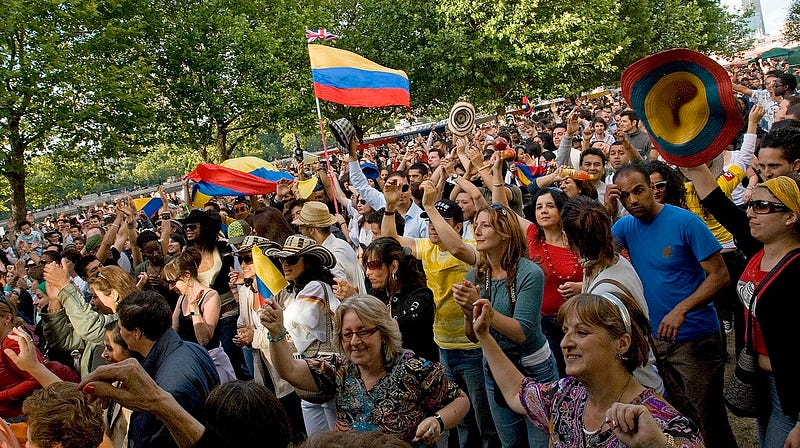
This means that high-quality food from pretty much every major cuisine can be found in the UK. By all means, try a local dish like shepherd’s pie if you’re only visiting for a weekend, but you can easily find great Indian or Peruvian restaurants if the pie isn’t to your liking.
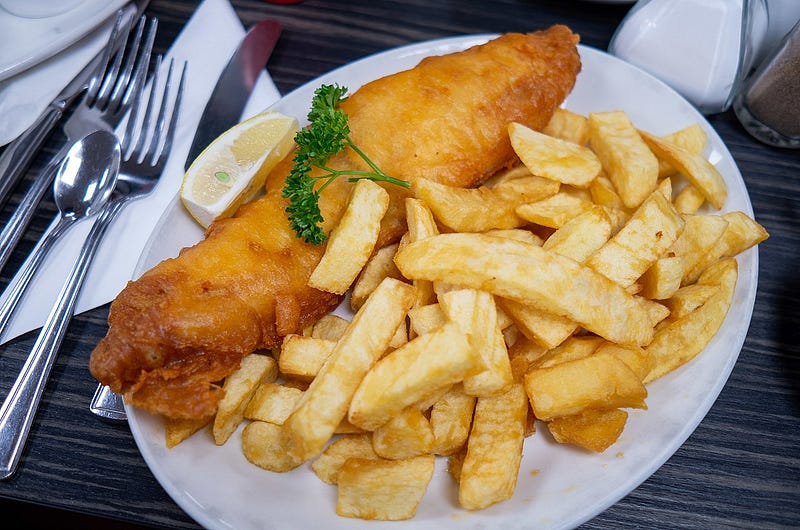
Immigrants also contribute massively to the preparation of more “classically British” foods. From the 1960s, many fish and chip shops were run by Italian families; today, the owners are as likely to be Chinese as British. Actually, battered and fried fish first arrived in Britain via Portuguese Jews.
Drinks are often neglected when we talk about gastronomy, but this is where the British Isles really shine. Scottish and Irish whiskey; English and Irish cider; English gin; Irish cream liqueur; English mead. These drinks are all indisputably amongst the best in the world in their categories.
There’s also a huge range of stouts and ales to choose from across the isles, with Guinness probably being the most famous.
Not very well known even at home, English wine is also fantastic. In particular, the best sparkling wines from Kent and Sussex are now of equivalent quality to good champagne.

At the end of the day, Britain and Ireland don’t have the same deeply ingrained food culture that can be found in places like China or Mediterranean Europe. Too many people continue to treat food as a time-consuming necessity akin to brushing your teeth or cleaning your bedsheets.
I’ve met lots of travellers who’ve endured horrific food experiences in Britain and Ireland. I sympathise fully. I’ve had some horrific ones myself. But for people who do care about food, few places offer the variety and quality that you can find across hundreds of towns in Britain and Ireland.
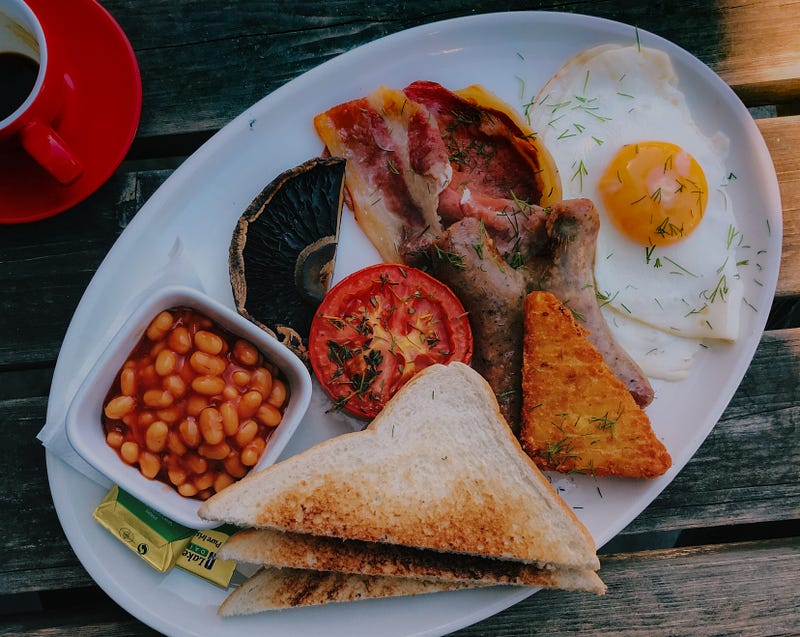
I’m currently in Italy, the land of a thousand food clichés. Admittedly, I eat very well here. However, I miss visiting the fishmonger of the harbour town I grew up in. I fondly remember traditional gastropub dinners in the Peak District. I wish I could find literally a single Pakistani restaurant in this entire city. Most of all, I miss proper breakfasts.