ndex.php?curid=19243049</figcaption></figure><p id="664c">But all of those new entrants to the EU have improved remarkably over the past decade or two.</p><p id="3150">Even Romania, one of Europe’s most struggling nations and a place at real risk of famine in the 1980s, boasts some of the world’s fastest internet and plenty of thriving hipster cafés and restaurants.</p><p id="c362">Slovenia, one of the star performers of New Europe, is <a href="https://www.ft.com/content/ef265420-45e8-497b-b308-c951baa68945">expected</a> to overtake Britain next year. When I was there last summer, it seemed obvious to me that it already had.</p><figure id="1b87"><img src="https://cdn-images-1.readmedium.com/v2/resize:fit:800/0*KJr47m_8tGYpbQ4P"><figcaption>Photo by Eugene Kuznetsov on Unsplash</figcaption></figure><p id="cb45">Every town I visited was safer, cleaner, and more vibrant than Britain. The people looked healthier and happier; trilingualism was common; the buildings and public transport were of a higher standard; and nature was more accessible.</p><p id="0f4f">Salaries were lower than in the UK but in every other way, this little ex-Communist country was equal to Austria or Germany.</p><p id="55da">When the Eastern European countries overtake Britain, it will be a grassroots-led effort. As a result of their Communist legacies, these economies are generally much more equal than Western Europe. Slovakia, Slovenia, Czechia, Croatia, Hungary and Poland all have better Gini coefficients than the EU average.</p><figure id="13ce"><img src="https://cdn-images-1.readmedium.com/v2/resize:fit:800/0*3q1P24l93UfVEr1s"><figcaption>Photo by Azamat Esmurziyev on Unsplash</figcaption></figure><p id="8179">Poland’s poorest 20% are already better off than Britain’s, and that has been true for a long time in Slovenia.</p><p id="4b0d">It will also be because the Eastern economies have much better science education.</p><p id="4a71">It used to be a cliché that the Eastern European “low-skilled” immigrants had physics or engineering degrees back in their home countries; this stereotype was common enough to inspire a memorable Russian physicist / janitor on The Big Bang Theory.</p>
<figure id="e860">
<div>
<div>
<img class="ratio" src="http://placehold.it/16x9">
<iframe class="" src="https://cdn.embedly.com/widgets/media.html?src=https%3A%2F%2Fwww.youtube.com%2Fembed%2FCZd8sDquNYw%3Ffeature%3Doembed&display_name=YouTube&url=https%3A%2F%2Fwww.youtube.com%2Fwatch%3Fv%3DCZd8sDquNYw&image=https%3A%2F%2Fi.ytimg.com%2Fvi%2FCZd8sDquNYw%2Fhqdefault.jpg&key=a19fcc184b9711e1b4764040d3dc5c07&type=text%2Fhtml&schema=youtube" allowfullscreen="" frameborder="0" height="480" width="640">
</div>
</div>
</figure></iframe></div></div></figure><p id="2dc6">Today, Polish and Romanians are heavily overrepresented in STEM education and careers in Britain. At my university, there were roughly as many Romanian students on the computer science course as Brits. Female students were nearly always Eastern European rather than British nationals.</p><p id="d9cb">During the Communist era, many Warsaw Pact nations focused heavily on hard science education because it was less likely to “get political” than humanities education. In the modern period, computer programming became a prestigious job, one of the few ways to earn a Western wage in ex-Communist countries.</p><figure id="1947"><img src="https://cdn-images-1.readmedium.com/v2/resize:fit:800/0*CoImNbTazsXd31wC"><figcaption>Photo by Clément Hélardot on Unsplash</figcaption></figure><p id="f774">That cultural focus on STEM, rather than on history and Latin, has prepared these countries well for the future labour market. Eastern Europe has blazing-fast internet, a young and talented workforce, and often less bureaucracy than the West.</p><p id="064e">I’m sure many of these countries will overtake Britain soon, and that says more about the extraordinary success of Eastern Europe than about any particular failing of Britain.</p><p id="c345">France, Spain and Italy are all predicted to fall behind soon as well — if they haven’t already.</p><figure id="54cd"><img src="https://cdn-images-1.readmedium.com/v2/resize:fit:800/0*eIRFeSmCOPOZSnfW"><figcaption>Photo by Arthur Yeti on Unsplash</figcaption></figure><p id="fe55">When I was living in Sicily, I shared an apartment with an Italian — Polish couple, and their musings over whether to stay or mov
Options
e were fascinating.</p><p id="ae52">They preferred the food and conviviality of Italy but were often frustrated by the bureaucracy, bad infrastructure, urban decay, crime, and endless blaring of car horns. Back in Poland, they agreed, things had just worked better.</p><p id="f6c7">Earlier, I had a Lithuanian housemate who had spent some time in London. She loved the music scene and the excitement of being in a big city but wasn’t convinced that Britain was more developed in any meaningful way — and she pointed out that Lithuanian houses were much warmer in the winter.</p><figure id="530a"><img src="https://cdn-images-1.readmedium.com/v2/resize:fit:800/0*_1Z96j8uNP7T5eTe"><figcaption>Photo by Humphrey Muleba on Unsplash</figcaption></figure><p id="01aa">Poland is not guaranteed to overtake Britain by 2030. Growth rates don’t stay the same forever, and there is a point of diminishing returns. Britain has also had unusually unstable leadership and the uncertainty over Brexit to hold it back over the past few years.</p><p id="6f64">The two rivals to be the next prime minister, Rishi Sunak and Keir Starmer, are both viewed as centrist, competent and diligent; either will probably improve the situation.</p><p id="636b">Then again, we’re not talking about 2050. If Poland could overtake Britain by as early as 2030, it’s already a near-equal. My instinct, based on my brief time in Poland, is that any differences are barely noticeable.</p><figure id="d152"><img src="https://cdn-images-1.readmedium.com/v2/resize:fit:800/0*KtRqKmK65fMQoQLf"><figcaption>Photo by Kamil Gliwiński on Unsplash</figcaption></figure><p id="910f">Should that be cause for alarm? Well, it’s obviously not a great endorsement of the electorate or the governing elites in Western Europe that we’ve managed to throw away a lead in living standards that has existed for centuries in the span of about 20 years.</p><p id="c2da">But I’m pretty cheerful about it all. That’s partly because I have friends from many of these countries and I’m proud and happy that they’re doing well.</p><p id="52c1">I don’t want them to lag behind Britain forever just so that a few English nationalists can sleep easier at night. Keir Starmer might hope that Poland never catches up but it doesn’t bother me one bit.</p><figure id="005d"><img src="https://cdn-images-1.readmedium.com/v2/resize:fit:800/0*kjHAO7tg6Y5NMNw7.JPG"><figcaption><b>Lots of the UK is pretty bleak — but that’s not Poland’s fault.</b> By Paul Watt—CC BY-SA 4.0, https://commons.wikimedia.org/w/index.php?curid=63292388</figcaption></figure><p id="5108">But I’m also hopeful that the ascendancy of the Eastern European economies will force us in Western Europe to rethink our definitions of prosperity.</p><p id="9c61">Nominal wages in the East will stay lower for a long time (most likely until the 2050s); net salaries in the most advanced Eastern European economies (Estonia, Slovenia and Czechia) are still about half of those in the UK.</p><p id="5fa4">The reason those countries have caught up is a more holistic view of prosperity. They know that cost of living, crime levels, education rates, public amenities, cleanliness and convenience are all as important to quality of life as your paycheck.</p><figure id="6036"><img src="https://cdn-images-1.readmedium.com/v2/resize:fit:800/0*Jwn0Cjt7ve0U60s-"><figcaption>Photo by Pawel Czerwinski on Unsplash</figcaption></figure><p id="439f">In 2017, for the first time, there were <a href="http://ceemr.uw.edu.pl/vol-9-no-1-2020/articles/push-pull-and-brexit-polish-migrants-perceptions-factors-discouraging-them#:~:text=In%20the%20case%20of%20Polish%20migrants%2C%20between%202005,due%20to%20higher%20outflows%20and%20especially%20lower%20inflows.">more</a> Poles in Britain returning home than new arrivals, a trend that has continued since. In 2022, Poland’s finance ministry <a href="https://www.euronews.com/next/2023/02/03/polands-reverse-brain-drain-meet-the-poles-returning-home-to-work-in-its-booming-tech-sect">set up</a> a special scheme that would exempt returners from paying income tax for 4 years. There’s a real optimism about the country’s future.</p><p id="06cc">It makes one wonder if we’ll one day see large numbers of Brits moving to Poland for better work opportunities. I suspect that would leave a lot of Brits feeling uncomfortable.</p><figure id="ba0f"><img src="https://cdn-images-1.readmedium.com/v2/resize:fit:800/0*Z_bb0qoDa-V4pYjF"><figcaption>Photo by Phil Shaw on Unsplash</figcaption></figure></article></body>
Is Britain Really About To Become Poorer Than Poland?
As shocking as it sounds, the answer is probably yes.
“I’m not comfortable with a trajectory that will soon see Britain overtaken by Poland.” — Keir Starmer.
British opposition leader Keir Starmer raised eyebrows this week with speeches in Parliament and to the press that made a shocking prediction: by 2030, the average family in Poland will be richer than in Britain.
With respective annual growth rates of 3.6% and 0.5%, it’s a prediction that’s perfectly sound from a mathematical perspective, while still difficult to accept for the average Brit. Brits think of France and Germany as economic rivals; they think of Poland as a Communist wasteland where illiterate villagers chase Jews and gypsies with pitchforks.

Borat, a backwards and satirical Kazakh character played by English comedian Sacha Baron Cohen, often introduces himself with the Polish phrase “Jak się masz?”. By Michael Bulcik / SKS Soft GmbH Düsseldorf — CC BY 2.5
The most visible link between the two countries in recent years has been the wave of Polish migration to Britain since Poland joined the EU.
Polish plumbers (and cleaning ladies, fruit pickers, car-washers, bricklayers etc) became emblematic of Britain’s frustrations with the European Union.
The new arrivals earned a reputation for doing twice the work at half the price of locals, then taking the money back to Poland to take advantage of the exchange rate and live like kings.

Photo by Nicolas J Leclercq on Unsplash
It was a dream if you were part of the metropolitan middle-class: life became noticeably cheaper and more convenient. Teachers and nurses could afford a part-time maid, or to have a cheap home extension.
But if you were a Welsh builder with a mortgage to pay, these cheap immigrant labourers were a threat to your livelihood.
In terms of sheer numbers, it seemed like an invasion: almost a million Polish arrived in the UK between 2003–2007. Polish became the country’s second most spoken language by 2013. With migration patterns like that, it seemed obvious to Brits that life in Poland must be pretty miserable.
And back then, that was true.
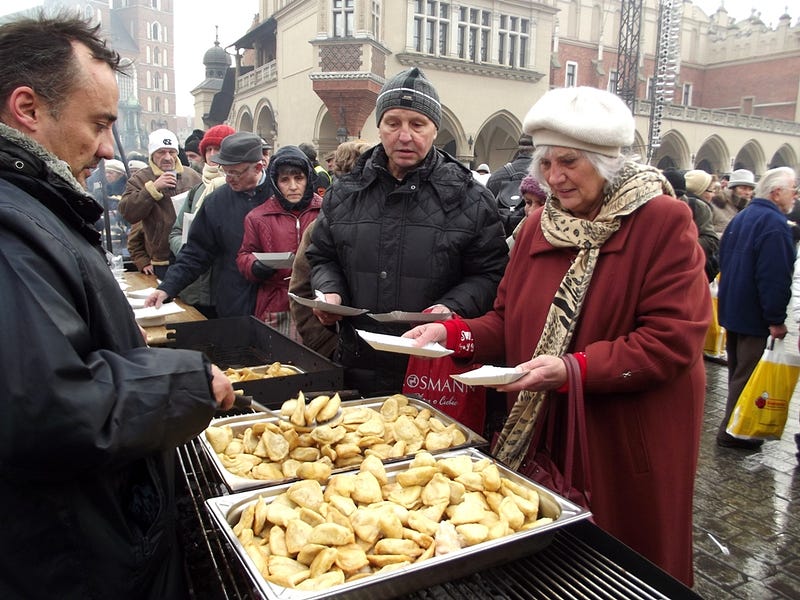
By Piotr Drabik from Poland — Podczas wydawania posiłków, CC BY 2.0, https://commons.wikimedia.org/w/index.php?curid=31813548
Poland suffered more than most countries during World War II and then during decades of Communist rule. When 10 new Southern and Eastern European countries joined the EU in 2004, Poland was the 2nd poorest of the lot (ahead of only Slovakia). Its GDP per capita was only $8,200, compared to $16,700 in Estonia and $14,700 in Slovenia.
Poland is actually still near the bottom of that pack. It is poorer than every EU nation except Hungary, Croatia, Romania and Bulgaria. When I worked in vineyards in France, many of the fruit pickers were Polish seasonal workers that were earning significantly more than at their professional jobs as young teachers, designers and lawyers in small Polish towns.
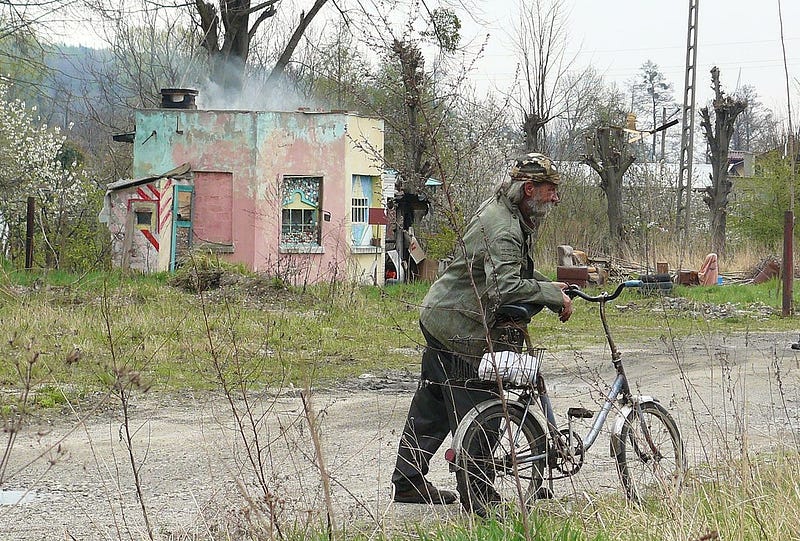
By MOs810 — CC BY-SA 3.0, https://commons.wikimedia.org/w/index.php?curid=19243049
But all of those new entrants to the EU have improved remarkably over the past decade or two.
Even Romania, one of Europe’s most struggling nations and a place at real risk of famine in the 1980s, boasts some of the world’s fastest internet and plenty of thriving hipster cafés and restaurants.
Slovenia, one of the star performers of New Europe, is expected to overtake Britain next year. When I was there last summer, it seemed obvious to me that it already had.
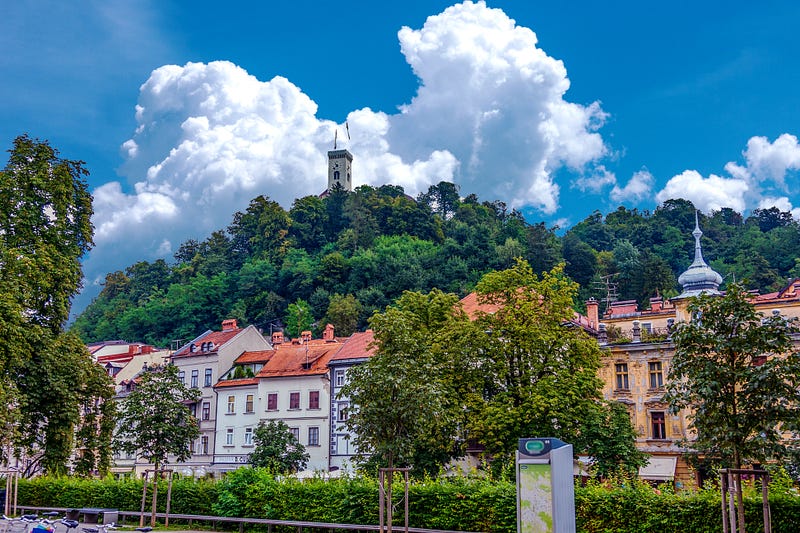
Photo by Eugene Kuznetsov on Unsplash
Every town I visited was safer, cleaner, and more vibrant than Britain. The people looked healthier and happier; trilingualism was common; the buildings and public transport were of a higher standard; and nature was more accessible.
Salaries were lower than in the UK but in every other way, this little ex-Communist country was equal to Austria or Germany.
When the Eastern European countries overtake Britain, it will be a grassroots-led effort. As a result of their Communist legacies, these economies are generally much more equal than Western Europe. Slovakia, Slovenia, Czechia, Croatia, Hungary and Poland all have better Gini coefficients than the EU average.
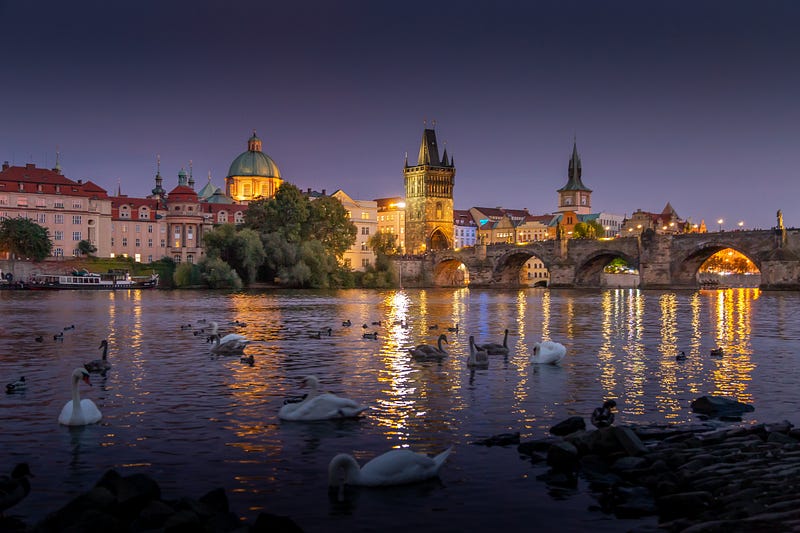
Photo by Azamat Esmurziyev on Unsplash
Poland’s poorest 20% are already better off than Britain’s, and that has been true for a long time in Slovenia.
It will also be because the Eastern economies have much better science education.
It used to be a cliché that the Eastern European “low-skilled” immigrants had physics or engineering degrees back in their home countries; this stereotype was common enough to inspire a memorable Russian physicist / janitor on The Big Bang Theory.
Today, Polish and Romanians are heavily overrepresented in STEM education and careers in Britain. At my university, there were roughly as many Romanian students on the computer science course as Brits. Female students were nearly always Eastern European rather than British nationals.
During the Communist era, many Warsaw Pact nations focused heavily on hard science education because it was less likely to “get political” than humanities education. In the modern period, computer programming became a prestigious job, one of the few ways to earn a Western wage in ex-Communist countries.

Photo by Clément Hélardot on Unsplash
That cultural focus on STEM, rather than on history and Latin, has prepared these countries well for the future labour market. Eastern Europe has blazing-fast internet, a young and talented workforce, and often less bureaucracy than the West.
I’m sure many of these countries will overtake Britain soon, and that says more about the extraordinary success of Eastern Europe than about any particular failing of Britain.
France, Spain and Italy are all predicted to fall behind soon as well — if they haven’t already.
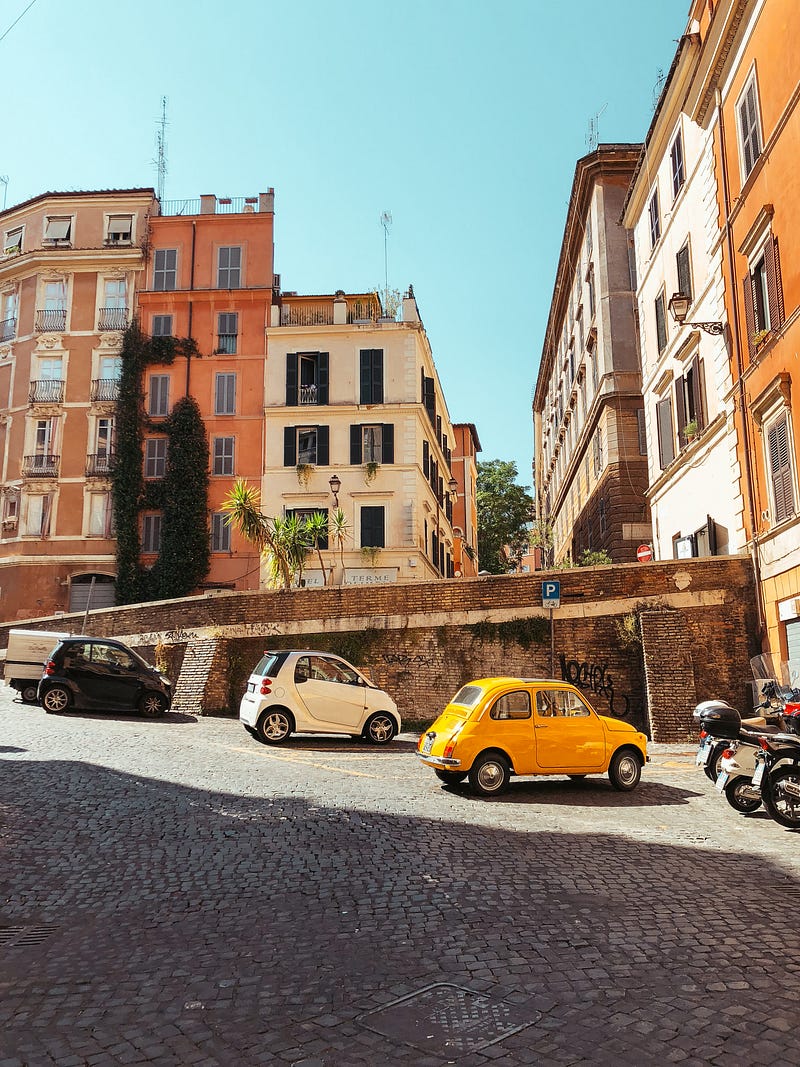
Photo by Arthur Yeti on Unsplash
When I was living in Sicily, I shared an apartment with an Italian — Polish couple, and their musings over whether to stay or move were fascinating.
They preferred the food and conviviality of Italy but were often frustrated by the bureaucracy, bad infrastructure, urban decay, crime, and endless blaring of car horns. Back in Poland, they agreed, things had just worked better.
Earlier, I had a Lithuanian housemate who had spent some time in London. She loved the music scene and the excitement of being in a big city but wasn’t convinced that Britain was more developed in any meaningful way — and she pointed out that Lithuanian houses were much warmer in the winter.
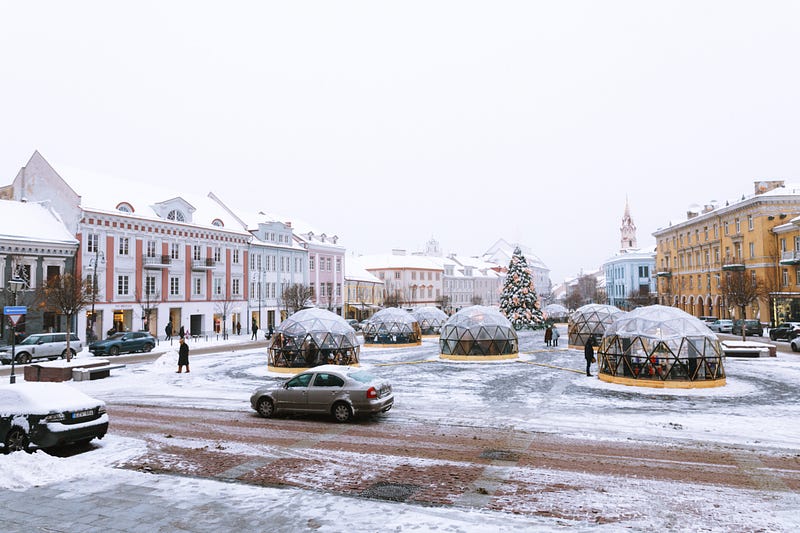
Photo by Humphrey Muleba on Unsplash
Poland is not guaranteed to overtake Britain by 2030. Growth rates don’t stay the same forever, and there is a point of diminishing returns. Britain has also had unusually unstable leadership and the uncertainty over Brexit to hold it back over the past few years.
The two rivals to be the next prime minister, Rishi Sunak and Keir Starmer, are both viewed as centrist, competent and diligent; either will probably improve the situation.
Then again, we’re not talking about 2050. If Poland could overtake Britain by as early as 2030, it’s already a near-equal. My instinct, based on my brief time in Poland, is that any differences are barely noticeable.
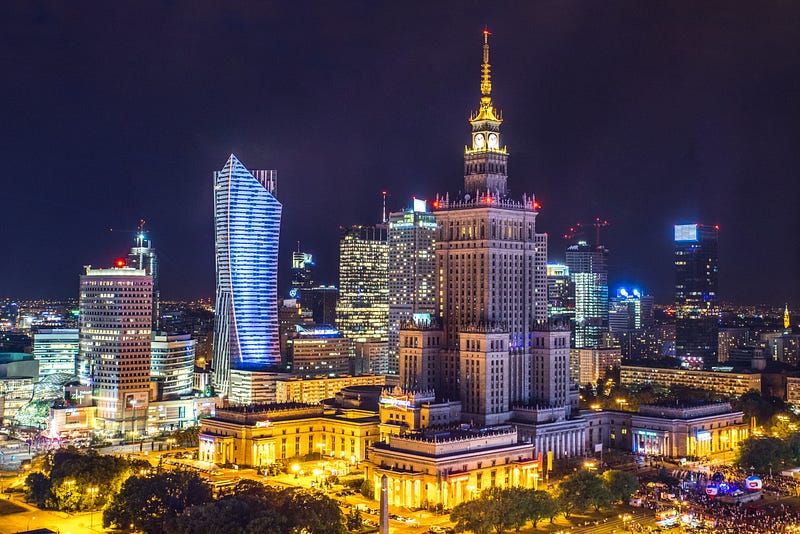
Photo by Kamil Gliwiński on Unsplash
Should that be cause for alarm? Well, it’s obviously not a great endorsement of the electorate or the governing elites in Western Europe that we’ve managed to throw away a lead in living standards that has existed for centuries in the span of about 20 years.
But I’m pretty cheerful about it all. That’s partly because I have friends from many of these countries and I’m proud and happy that they’re doing well.
I don’t want them to lag behind Britain forever just so that a few English nationalists can sleep easier at night. Keir Starmer might hope that Poland never catches up but it doesn’t bother me one bit.
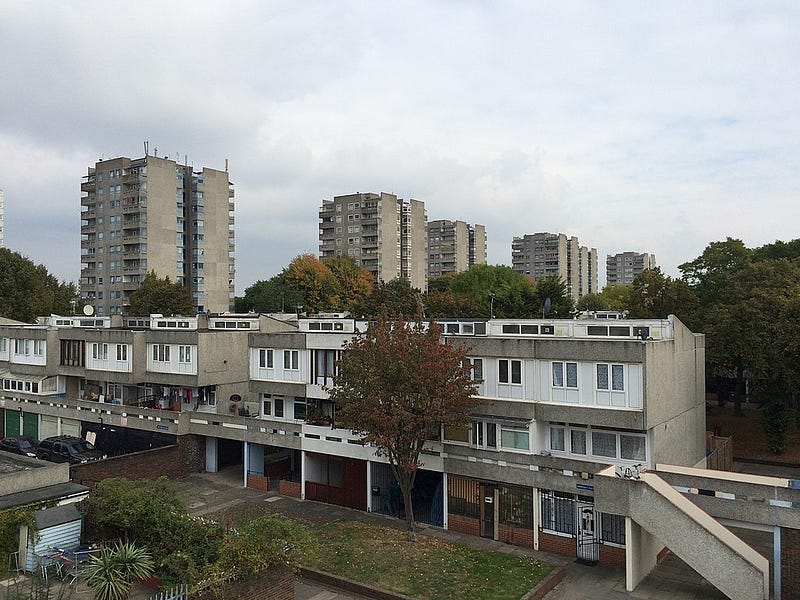
Lots of the UK is pretty bleak — but that’s not Poland’s fault. By Paul Watt—CC BY-SA 4.0, https://commons.wikimedia.org/w/index.php?curid=63292388
But I’m also hopeful that the ascendancy of the Eastern European economies will force us in Western Europe to rethink our definitions of prosperity.
Nominal wages in the East will stay lower for a long time (most likely until the 2050s); net salaries in the most advanced Eastern European economies (Estonia, Slovenia and Czechia) are still about half of those in the UK.
The reason those countries have caught up is a more holistic view of prosperity. They know that cost of living, crime levels, education rates, public amenities, cleanliness and convenience are all as important to quality of life as your paycheck.

Photo by Pawel Czerwinski on Unsplash
In 2017, for the first time, there were more Poles in Britain returning home than new arrivals, a trend that has continued since. In 2022, Poland’s finance ministry set up a special scheme that would exempt returners from paying income tax for 4 years. There’s a real optimism about the country’s future.
It makes one wonder if we’ll one day see large numbers of Brits moving to Poland for better work opportunities. I suspect that would leave a lot of Brits feeling uncomfortable.