
Is Body Dysmorphia a Right of Passage?
Finding a healthy body image.
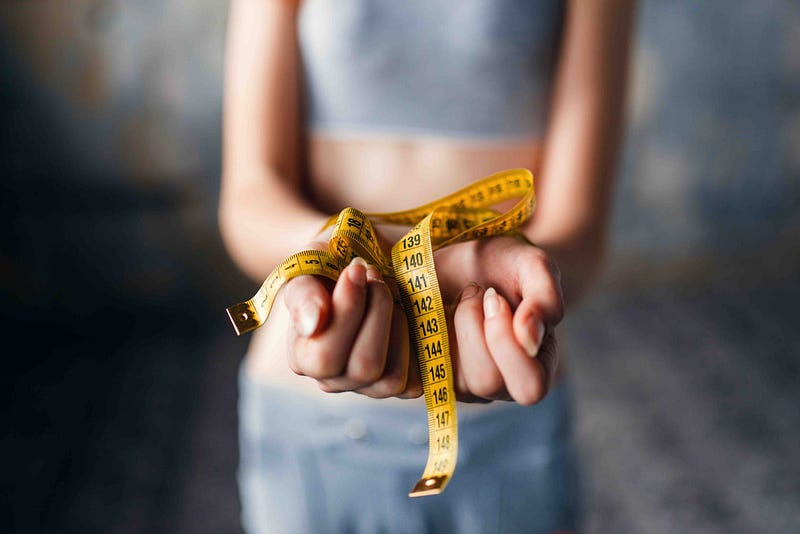
Can you recall the series of embarrassing moments growing up, feeling awkward in your body? Societal expectations or aspirations always looming from the advertising or movies or social pressure abundant with messages that to be accepted and happy you needed to be thin. It may be an old and tired theme however, it gets passed down from generation to generation, year to year.
As a woman, I have inextricably linked my body to my self-identity, how I felt, and how I am perceived by others.
While this has all shifted for me personally as I have deepened my connection with my body through pregnancies, yoga, various forms of exercise, and meditation there are times when that little voice in my head that tells me how losing that five pounds would make me so much happier. Pregnancy and motherhood have helped my connection to my body for it is quite miraculous I grew and birthed two humans!
What mainstream is saying today —
This plight of scrutiny has expanded into the mainstream yet again recently with the new guidelines for childhood obesity (official term). As if we needed more scrutiny.
Obesity is a complex health issue that affects a staggering percentage of US children and teens. Hovering around 5% in 1963 to 1965, rates of obesity had more than tripled to 19% by 2017 to 2019. Early data suggest childhood obesity rates continued climbing during the pandemic. If these trends continue, 57% of children currently ages 2 to 19 will have obesity as adults in 2050.
— Harvard Medical School
The standard eat healthier and exercising simply doesn’t cut it for some families. There are societal, daily life, cultural backgrounds, and community connections that play a role in a child’s relationship to their body and food. The medical model becomes shaming when they take the perspective that they are helping, they participate in flaming low self-esteem and not recognizing that all body types are beautiful and capable at every stage. However, with these new guidelines measuring children’s BMI (Body Mass Index) at a young age when they change from year to year, it does not allow the child to develop a healthy relationship with their bodies.
The individual journey through the triggering and insensitive words used to describe a person’s body — flabby, fat, skinny, obese, voluptuous, boyish, fit, and androgynous certainly does not help. Every description becomes loaded and healthy conversations cannot come easily if even at all.
An added layer of socio-economic shaming comes into effect when the medical model pushes to provide a long therapy treatment for families like “Intensive Health Behavior Lifestyle Treatment” which consists of multiple hours of in-person therapy, counseling on nutrition, and physical activity all of which is covered if you have access and good insurance. Ha. And then there’s always medication and bariatric surgery — yes, they suggest these paths for children as a means to get it under control. I find it to be alarming.
This all adds fuel to the fire for increased depression and anxiety which inevitably will turn into eating disorders and body dysmorphia. It avoids the real problems in our society — addressing the reduction of the stigma of everyone’s body being imperfect and diseased which is a declaration unlikely to help those being fat-shamed in a fat-hating society.
How to shift this outlook —
Is it possible as a society to shift our collective shame of our bodies being too fat or too thin? To own the discomfort? To own our own individual journeys of our relationships to our own bodies?
There is no straight path to body image positivity, it is a vulnerable place that people either face or ignore. It becomes messy when the personal experiences meet policies and trends and there must be a willingness to expose the uncomfortable conversation. We all have bodies after all and if we want to break the stigma and reduce shame we must think more nuanced, with compassion and acceptance. We can always find room for more self-love of ourselves as it then trickles over to others.
As for my own body dysmorphia journey, I often look back at pictures and think, what a waste of time worrying about my body for often I looked healthy and fit. At the time, no words of reassurance from others worked, compliments fell on deaf ears, and I still saw an imperfect body in need of changing even though I exercised and ate according to my body. Today, I focus on enjoying my healthy body as I am grateful to be an able-bodied person and less focused on my weight as a sign of self-acceptance.
I repeat these phrases to myself on a daily basis:
Thank you legs and feet for bringing me from place to place.
Thank you arms and fingers for carrying things and being able to write.
Thank you torso for allowing me to sit up and function.
What would gratitude would you add to your body?
© Shelley Karpaty 2023
Shelley is a speaker, writer, and spiritualist who is dedicated to providing insights and wisdom through these forms. You can find her on these platforms — https://linktr.ee/shelleykarpaty