avatarCailian Savage

Free AI web copilot to create summaries, insights and extended knowledge, download it at here

2230

Abstract

do so.</p><figure id="3e57"><img src="https://cdn-images-1.readmedium.com/v2/resize:fit:800/0*7w6Fq0OKeZTvE49Z"><figcaption>Photo by NajlaCam on Unsplash</figcaption></figure><p id="c744">Instead, mainstream Western media have thrown themselves wholeheartedly behind more profitable initiatives, like overpriced exercise bikes and plus-sized fashion. As the world grows more obese every year, dieting has swelled to an industry worth over 200 billion per year.</p><p id="a62e">But the free market finally looks like it has found a way to make more money from a thin population than an overweight one: say hello to <i>GLP-1 agonists</i>.</p><figure id="1a61"><img src="https://cdn-images-1.readmedium.com/v2/resize:fit:800/0*Y8nWAKjcRaqrOZOy"><figcaption>Photo by Sam Moghadam Khamseh on Unsplash</figcaption></figure><p id="9c13">Diet medication, mostly in the form of pills, is almost 100 years old, but has a long history of being ineffective or banned for its dangerous side effects. These new drugs are much more promising and are likely to see much more widespread adoption than previous iterations.</p><p id="c4eb">Although initially developed as a glucose regulator for diabetics, they have a secondary effect of keeping food in the stomach for longer and also affect the hypothalamus, the part of the brain responsible for hunger, while also making fat burn more quickly.</p><figure id="b425"><img src="https://cdn-images-1.readmedium.com/v2/resize:fit:800/0*NWoIqxDMtQDaJ-3l"><figcaption>Photo by Jesse Orrico on Unsplash</figcaption></figure><p id="502e">These things work; in clinical trials for <i>semaglutide</i> (branded as <b>Ozempic</b>), weight loss of 10–15% was found after about a year. And while any drug that works has side effects, these are certainly more viable for mass use than bariatric surgery.</p><p id="e22a">But although these drugs have a better chance of lowering obesity than whatever the hell Europe and the Americas and currently doing, they are expensive. Taken as a weekly self-injection, the monthly cost is around 1,000 dollars, and it is likely that most clients will be using these drugs long-term.</p><p id="0923">For now, these drugs are best known for celebrity users like Elon Musk

Options

, since they are generally not covered by most health insurance programmes internationally. However, there has been serious interest from both private insurers, and large public players like Britain’s NHS.</p><figure id="05ba"><img src="https://cdn-images-1.readmedium.com/v2/resize:fit:800/0*KDmRgrywg0eN_9Mi"><figcaption>Photo by Red Dot on Unsplash</figcaption></figure><p id="1272">Over time, it seems that the scale and expense of the obesity crisis will lead to wider adoption.</p><p id="ef91">The World Obesity Federation estimates that there are over a billion obese people globally, and an even higher number is merely overweight. By 2035, half of the global population over the age of 5 will fit into these categories, and the negative economic impact could reach $4 trillion annually.</p><p id="dc45">It is also likely that these drugs will decrease dramatically in price over the long-term as patents expire and generic alternatives become available.</p><figure id="a31e"><img src="https://cdn-images-1.readmedium.com/v2/resize:fit:800/0*hWtsDz-GmsEGGEFh"><figcaption>Photo by Roberto Sorin on Unsplash</figcaption></figure><p id="be6c">Of course, I think we should be skeptical of depending on drugs to solve society’s problems, and I think we can and should solve mass obesity using more conventional methods.</p><p id="27b3">However, it seems equally clear that most nations (and this is almost as true for Italy and Thailand as for the US) have failed so far, and I don’t expect that to change anytime soon.</p><figure id="e439"><img src="https://cdn-images-1.readmedium.com/v2/resize:fit:800/0*6zk4ANpEHZkU2r9a.jpg"><figcaption>Obesity in kids aged 5–9, World Health Organisation</figcaption></figure><p id="c683">On the one hand, there’s a sense of a <i>Brave New World</i> dystopia about this potential future.</p><p id="869b">Then again, we also panicked about the introduction of trains and telephones. Can we let moral prudishness over “the right way to lose weight” stop us from truly solving one of the world’s greatest problems?</p><p id="b94b">Let me know your hot takes on the obesity crisis — I’m especially interested to know how it’s being felt outside the rich Anglophone world.</p></article></body>

Is Big Pharma Ready To End Obesity ?

Yes — at least for those who can afford it

In the past, I’ve heard Americans (both politicians and ordinary people) brag that the US was the first country in history where more people died from eating too much than eating too little.

Photo by AllGo - An App For Plus Size People on Unsplash

I don’t know if that’s true, but it’s certainly an attention-grabbing statement worth thinking about. Originally a boast about abundance and liberty in the Land of the Free, it is now also a reminder that the US has some of the highest obesity rates in the world (it is surpassed by Kuwait and a few Pacific island nations, if you were wondering).

Photo by Old Youth on Unsplash

But this is no longer a US-only problem, nor even an issue confined to the rich industrialised world. Obesity is now very much widespread in places like South Asia and sub-Saharan Africa which are more stereotypically associated with low access to food.

In recent years, a growing number of countries have had to deal with the dual public health disasters of obesity and malnutrition at the same time.

Photo by Andrew Itaga on Unsplash

A few countries (notably Japan, South Korea and Singapore) have largely avoided mass obesity, but most countries have failed miserably at doing so. A sense of despondency and complacency has set in: “Yes, of course everyone will be fat soon, and maybe there’s nothing wrong with that!”

Even though we know quite a lot about the causes of this public health crisis (processed foods dense in fat and sugar, sedentary lifestyles, fewer home-cooked meals) and we know that it can and should be beaten, it has long been unprofitable to do so.

Photo by NajlaCam on Unsplash

Instead, mainstream Western media have thrown themselves wholeheartedly behind more profitable initiatives, like overpriced exercise bikes and plus-sized fashion. As the world grows more obese every year, dieting has swelled to an industry worth over $200 billion per year.

But the free market finally looks like it has found a way to make more money from a thin population than an overweight one: say hello to GLP-1 agonists.
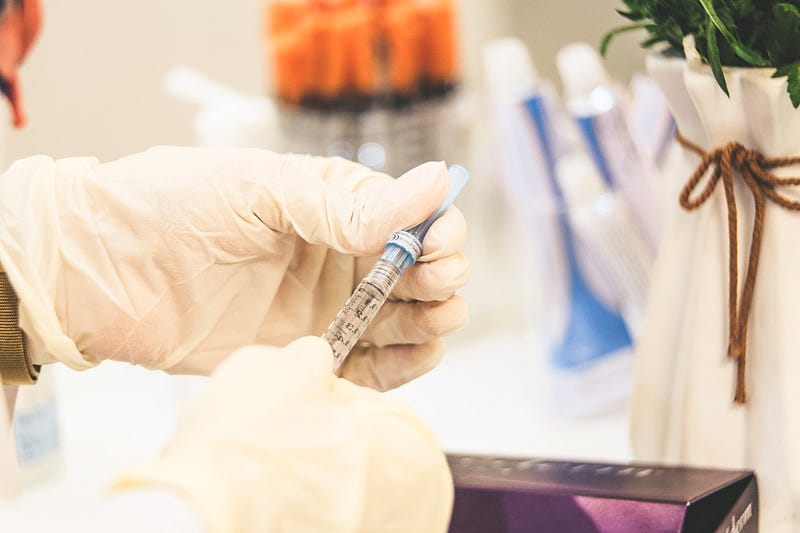
Photo by Sam Moghadam Khamseh on Unsplash

Diet medication, mostly in the form of pills, is almost 100 years old, but has a long history of being ineffective or banned for its dangerous side effects. These new drugs are much more promising and are likely to see much more widespread adoption than previous iterations.

Although initially developed as a glucose regulator for diabetics, they have a secondary effect of keeping food in the stomach for longer and also affect the hypothalamus, the part of the brain responsible for hunger, while also making fat burn more quickly.

Photo by Jesse Orrico on Unsplash

These things work; in clinical trials for semaglutide (branded as Ozempic), weight loss of 10–15% was found after about a year. And while any drug that works has side effects, these are certainly more viable for mass use than bariatric surgery.

But although these drugs have a better chance of lowering obesity than whatever the hell Europe and the Americas and currently doing, they are expensive. Taken as a weekly self-injection, the monthly cost is around $1,000 dollars, and it is likely that most clients will be using these drugs long-term.

For now, these drugs are best known for celebrity users like Elon Musk, since they are generally not covered by most health insurance programmes internationally. However, there has been serious interest from both private insurers, and large public players like Britain’s NHS.

Photo by Red Dot on Unsplash

Over time, it seems that the scale and expense of the obesity crisis will lead to wider adoption.

The World Obesity Federation estimates that there are over a billion obese people globally, and an even higher number is merely overweight. By 2035, half of the global population over the age of 5 will fit into these categories, and the negative economic impact could reach $4 trillion annually.

It is also likely that these drugs will decrease dramatically in price over the long-term as patents expire and generic alternatives become available.

Photo by Roberto Sorin on Unsplash

Of course, I think we should be skeptical of depending on drugs to solve society’s problems, and I think we can and should solve mass obesity using more conventional methods.

However, it seems equally clear that most nations (and this is almost as true for Italy and Thailand as for the US) have failed so far, and I don’t expect that to change anytime soon.
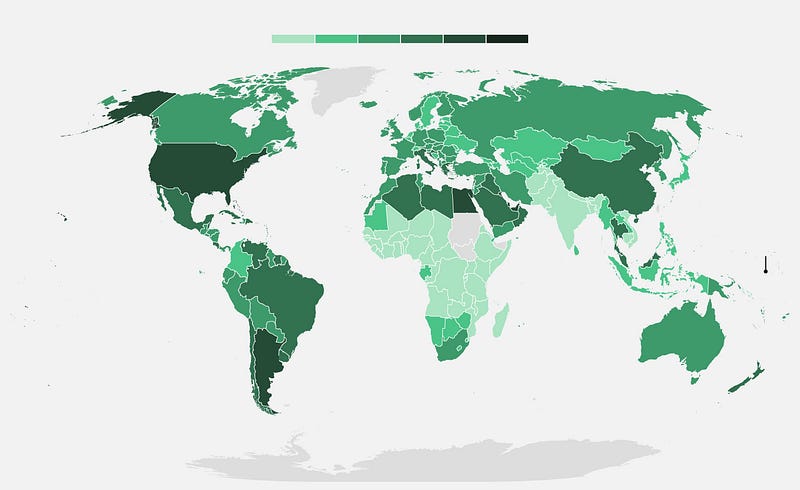
Obesity in kids aged 5–9, World Health Organisation

On the one hand, there’s a sense of a Brave New World dystopia about this potential future.

Then again, we also panicked about the introduction of trains and telephones. Can we let moral prudishness over “the right way to lose weight” stop us from truly solving one of the world’s greatest problems?

Let me know your hot takes on the obesity crisis — I’m especially interested to know how it’s being felt outside the rich Anglophone world.

Healthcare
Health
Pharmaceutical
Lifestyle
Culture
Recommended from ReadMedium