
Is Apple switching Mac to ARM architecture a good idea? 5 Pros and Cons of the switch
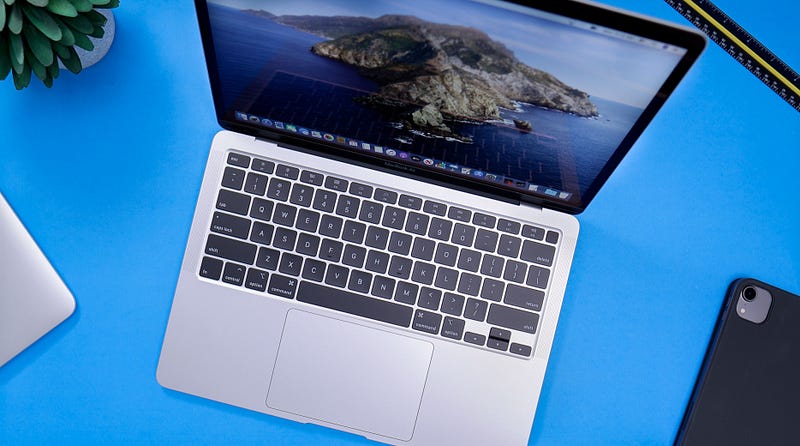
It’s not the news. The rumors about Apple switching to ARM processor have been circulating for a while. After all, it seems like a logical step in the computer industry to switch to something more innovative and efficient. It still feels a bit funny that we are bringing processors from our mobile devices to desktops.
"The best way to predict the future is to invent it"
(c) Alan Kay
But that’s how it is. We are expecting to see either announcement or additional information about it during WWDC on June 22nd, 2020.
Either way, one way or another we are expecting to see the switch happening in the foreseeable future. Apple has performed multiple transitions. The last one has been PowerPC to Intel transition in 2006.
Let’s try to analyze the upsides and downsides of the switch. Here is also a video discussing the transition.
The good
- ARM processors use significantly less amount of power
This means better battery life. And this is very important for a portable computer
2. Mac OS is based on the Darwin core
We already know that it operates stably on ARM architecture since it works perfectly well on iPhone, iPad, Apple TV, Apple Watch, and other devices. Migrating the desktop version of Mac OS itself won’t be a big problem
3. Since many applications that are running on iOS devices are optimized for the ARM architecture, porting those to Mac computers will be a breeze
Apple already has a Mac Catalyst suite which makes it possible to port applications from iOS to Mac.
Since applications written for iOS devices are written for ARM processors from the ground up it means that it will be using full potential of those.
4. Apple could control the Eco-system of the devices even better
Once the switch happens, Apple will be controlling the whole Eco-system even better.
No need to wait for Intel to finish work on a specific processor model. Apple could control the process much better this way.
5. Cheaper production cost
The ARM processors are cheaper to make. One question is left, though. Will those savings be passed to customers or not?
The bad
- Loading Windows on Mac using Boot Camp won’t be an option anymore
An ability to run Windows on Mac natively has been a big selling point for Apple, especially during the first phase of transitioning to Intel.
If something doesn’t work on Mac, you could easily fall back to Windows and run applications on full speed. If Apple switches to ARM this will not be possible anymore. Maybe an ARM version of Windows will work out, but we also know that compatibility has been a problem in this scenario as well.
2. Running third-party software on macOS will be a real problem
Many applications will be ported over to Mac from the iOS, but any software created for the Intel platform will require emulation.
Most likely this will be achieved by additional compatibility layer, similar to what Rosetta did. I should remind that the lifespan of Rosetta also been quite short and it left many legacy PowerPC applications behind.
Either way, it might also mean that a large number of applications will just stop working on Mac entirely. If you are still using those apps you will be left behind.
This has been already done by the switch to Catalina when all 32-bit software and games stopped functioning. I doubt this will be handled better this time.
3. Mac will become a closed, conservative platform once again
This means that Mac computers will be only running macOS and macOS approved software on closed down Apple hardware. Only approved modifications.
Third-party developers most likely will be using the Mac App Store as the main channel of distributing software.
As an advanced user, I like to have options, but this is not the direction where the things are headed with Apple.
Remember that we had Rosetta, Carbon API, Single User Mode, X11 Window System shipped as part of the system? Also, even the Darwin source code has been fully available before (currently not everything is Open Source). For example, Snow Leopard is a good example of a system where things have been satisfying and stable for all categories of users.
4. The “Hackintosh” future will be doomed
Yes, we know that “Hackintosh” is not approved by Apple, nor it ever had a significant amount of user base. Legal side of the things aside, some people liked macOS, but not the Apple hardware.
Apple will be happy to take full control and take away “Hackintosh” even as an enthusiast option.
5. We are headed into a subscription-based model world
I think that the reasons for locking down the hardware are obvious. It will not take the effect the first day, but eventually, those effects will be seen everywhere. Once you take away the legacy (and not so legacy) software you can force users into purchasing and using the latest versions of the software.
And those applications most likely will have a subscription fee attached to it. This all will be done in a manner that you will feel like you are getting a great deal, but deep down inside you will realize that you have been tricked.
The ugly
As with everything in life, it’s not possible to satisfy everyone. The migration to ARM architecture might be highly beneficial if done correctly. The main concern if the opinion of all the Mac users will be considered.
How about all the Pro applications that have been created for a Mac platform? Will those be ported or emulated? Will advanced Mac users be happy with this transition?
I’ve not been satisfied with the Apple decision to drop 32-bit app software support when macOS Catalina was released. I thought that some compatibility layer would have been a good idea. But it was not on the Apple radar.
But Apple removed 32-bit support and many Mac applications and games were left behind. Most of the users were fine with it. This time if this happens most likely we’ll have a few users like me complaining, but other than that everyone else will be happy.
The only problem is that some users might lose trust in the Mac platform and abandon it. That’s sad because macOS is great and rock-solid system. It’s just hard to trust when the software that you like and use on daily basis is taken away by a single company decision.
But let’s hope that everything will be fine during the transition, right?
Like what you read? Please subscribe to a mailing list for quality Travel and Tech articles and videos. Thank you!