Is an Evangelical hero a gay beefcake star?
Looking at Jim Elliot undressed
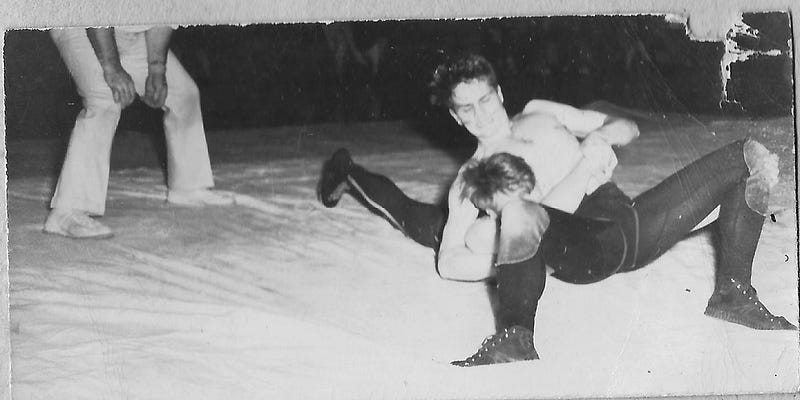
He was always a little naked. In college, he was a wrestler, and even those shots of him are an odd intrusion in Evangelical Christianity.
This is a religion that doesn’t much like bodies in general, and keeps them clothed. But then there was Jim Elliot.
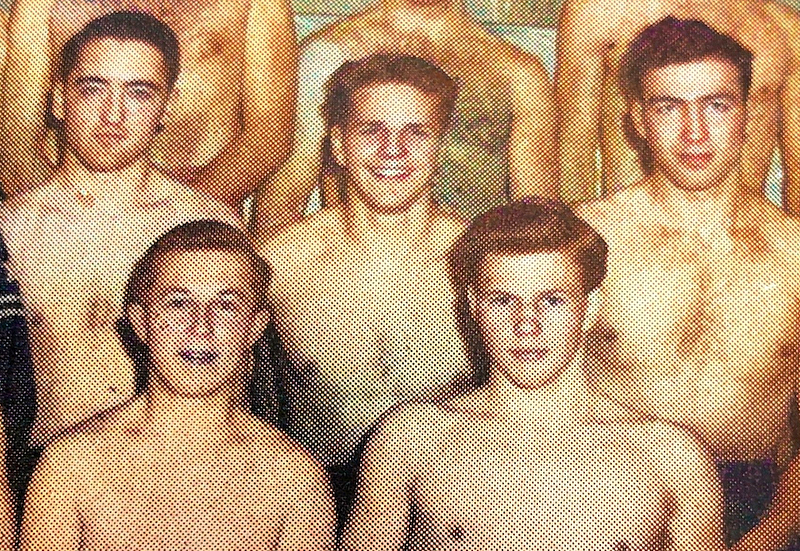
He is often unusually exposed.
The Wheaton College yearbooks feature him as a wrestler.
He’d pursued wrestling, he’d said, to help him be a warrior for Christ. But maybe, I thought, he just liked being naked?
I might be the first to note that point — though it’s on view in his famous journal. He points to Hebrews 4:13’s prompt to be “uncovered and laid bare before the eyes of him to whom we must give account.”
Jim adds: “Naked and open! Why cover up then?”
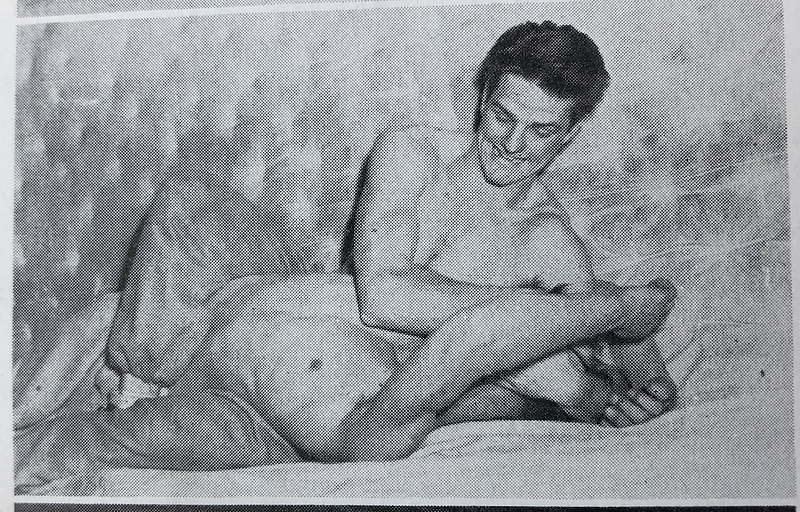
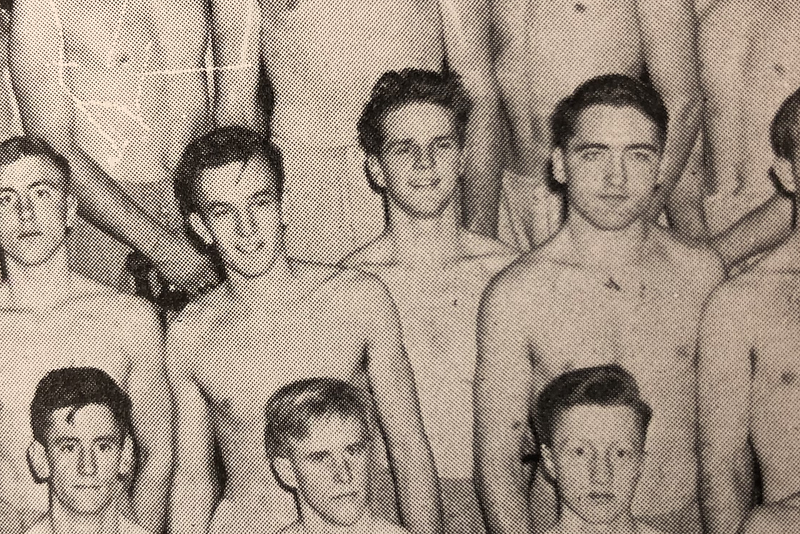
It wasn’t just sports.
A 2002 documentary, Beyond the Gates of Splendor, had odd shots of a semi-clothed Jim at Wheaton in 1949. Though they go by so quickly, an Evangelical viewer might not have even noticed.
Or wanted to.
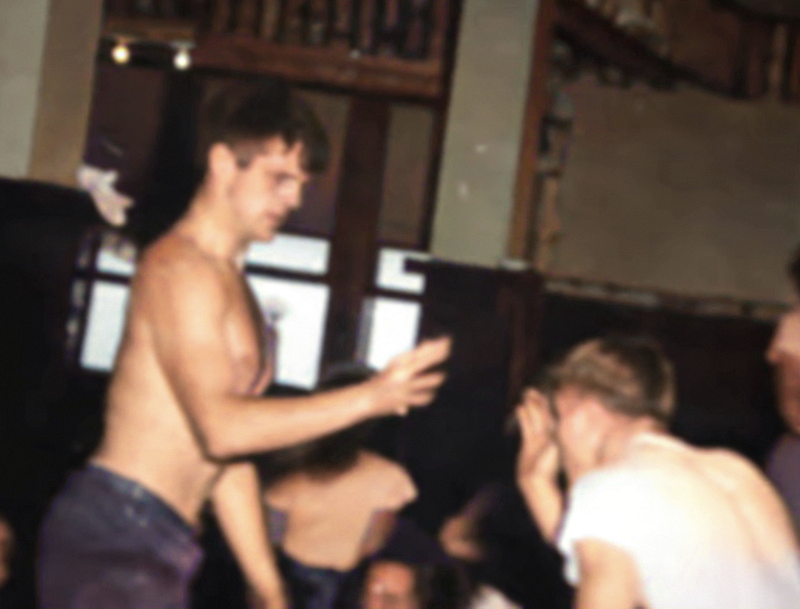
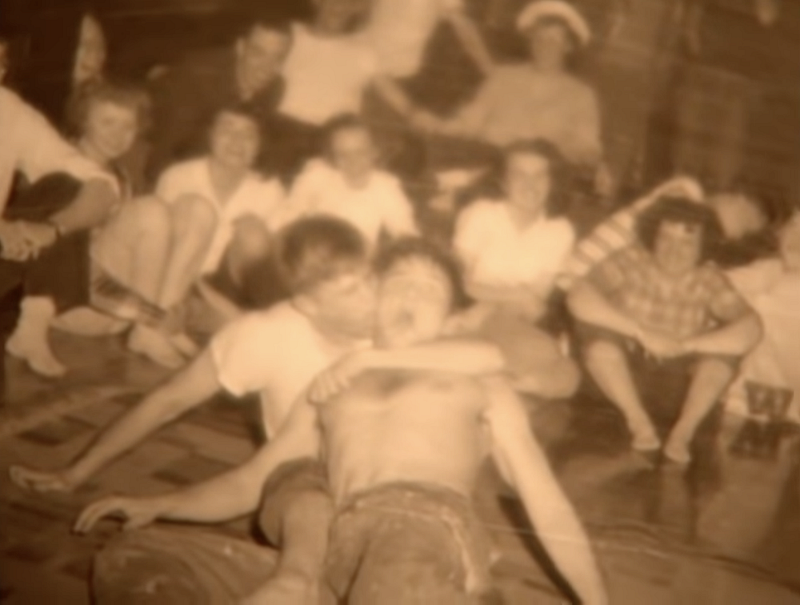
As Jim took to traveling doing ministry around America, he seemed often unclothed.
The Facebook archive by his daughter, Valerie Elliot Shepard, includes a range of semi-nude Jim Elliot shots. One wouldn’t think so, typically. Isn’t he just at the swimming pool?
But…why is someone photographing him there?
And isn’t he posing? Is the display of his body the point?
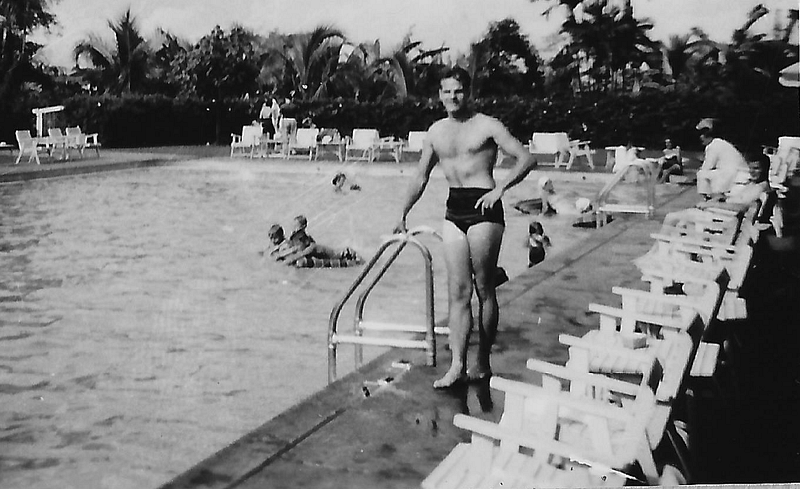
Of course, Jim Elliot poses a lot.
His unidentified photographer, who I think is likely often to be Pete Fleming, follows him around.
Jim poses as a traveler staring off into the distances. The The Christian visionary, the seer — ever in danger of falling off the edge?
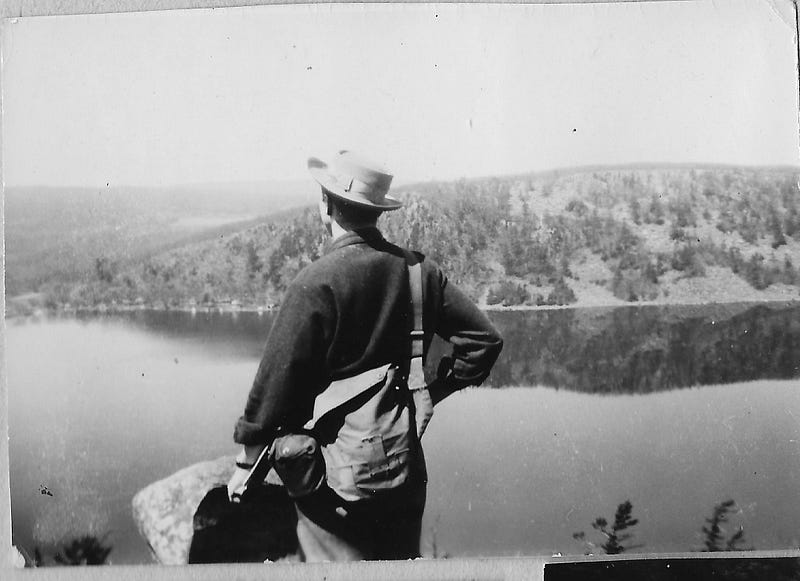
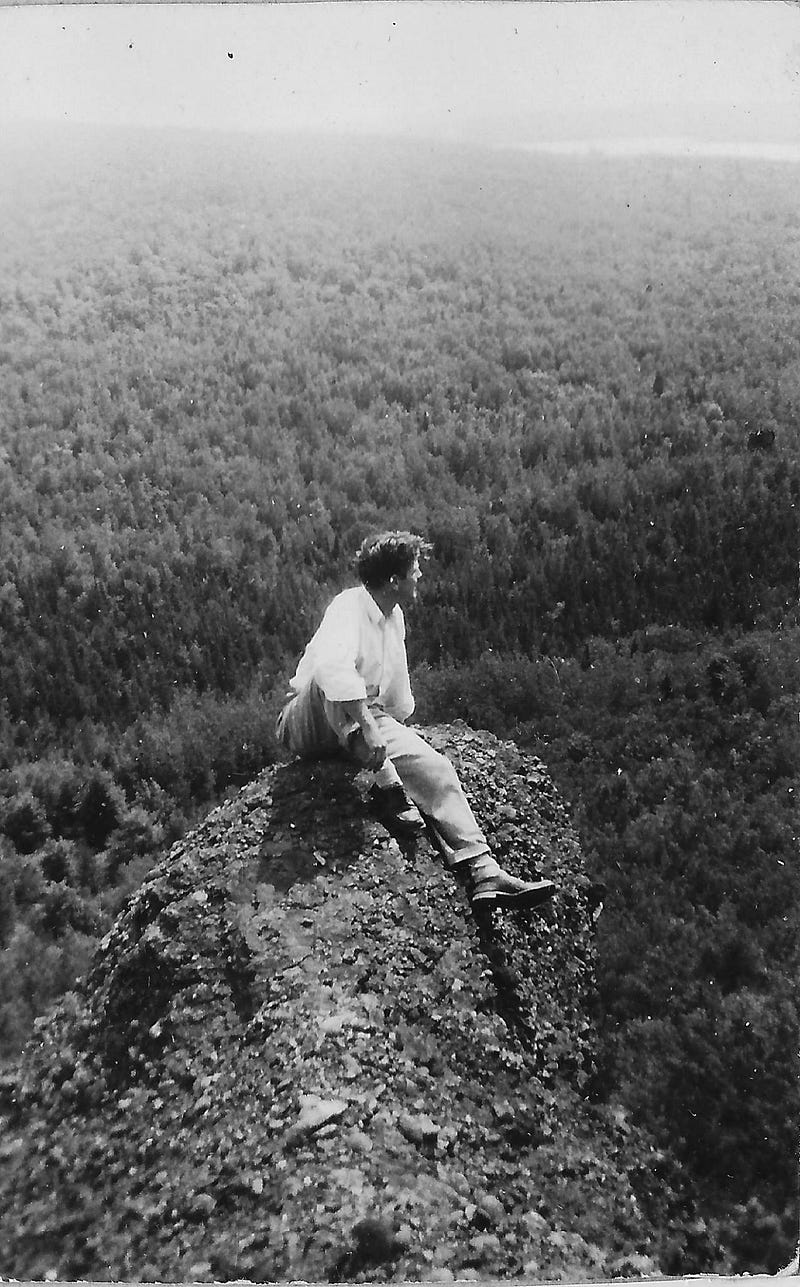
There’s also the existential Jim—the hero staring into the void.
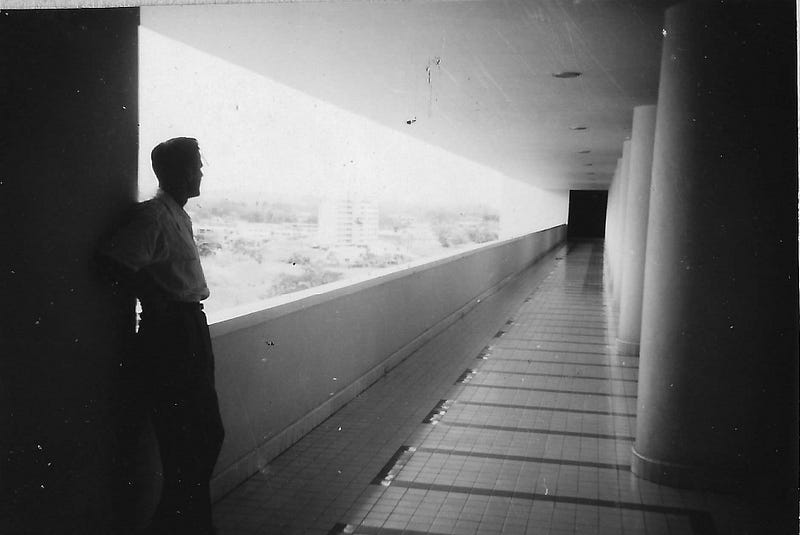
Or staring at the photographer. They both like passageways and tunnels.
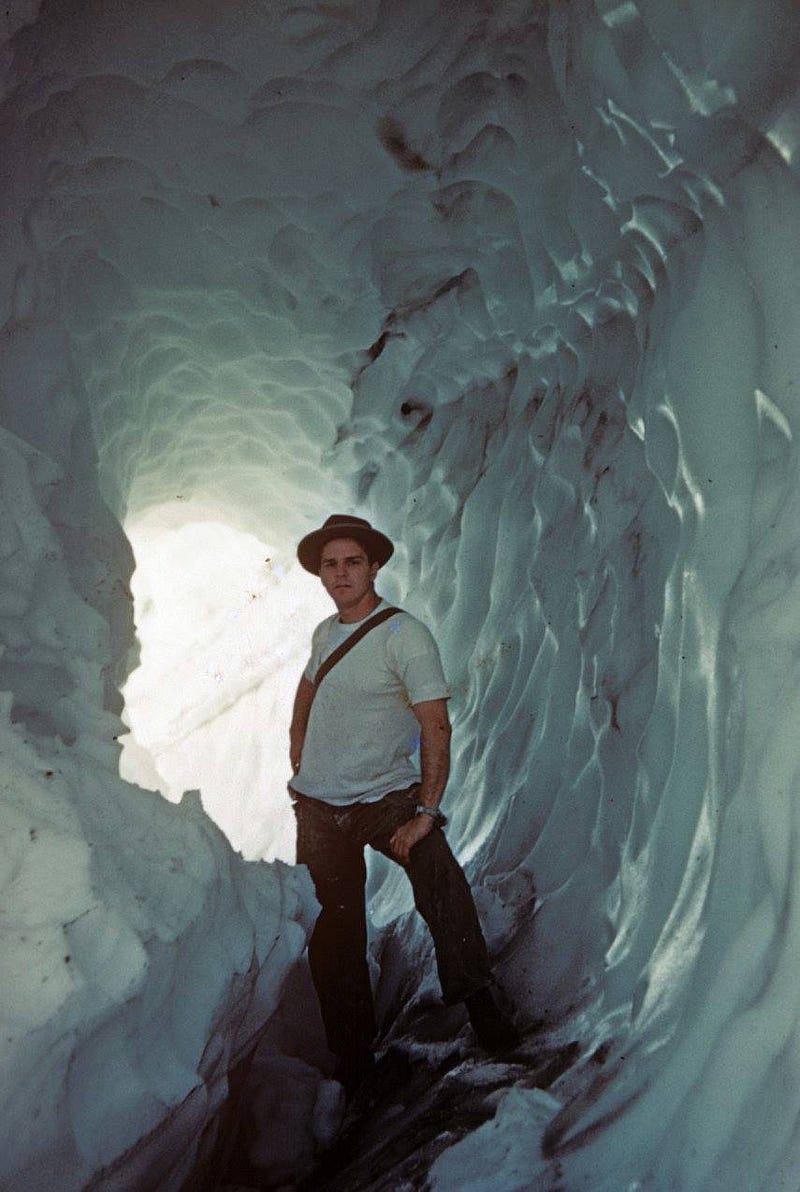
These aren’t the Jims the religion preferred.
But to grow up with Jim Elliot presented to you as a hero, he wasn’t even a photo. He was illustrated.
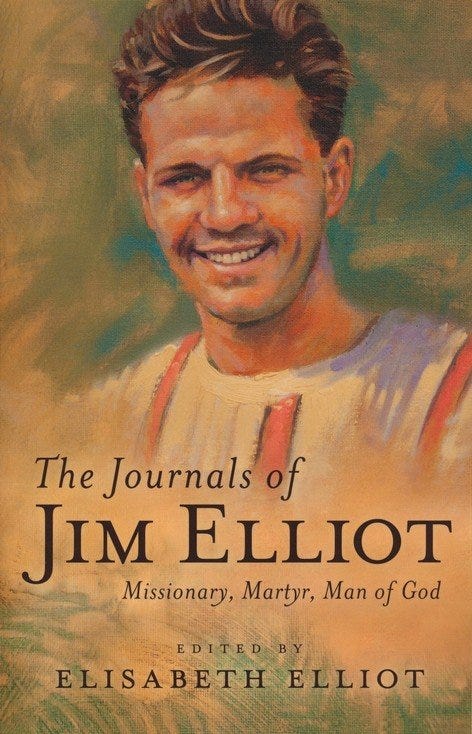
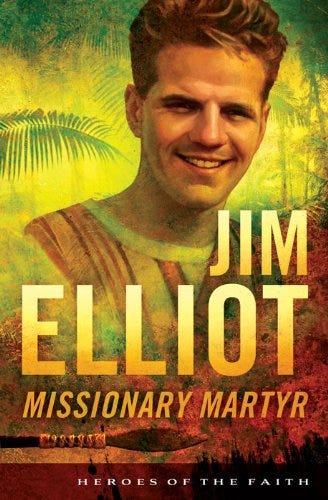
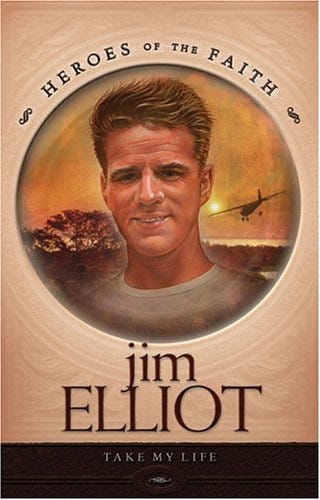
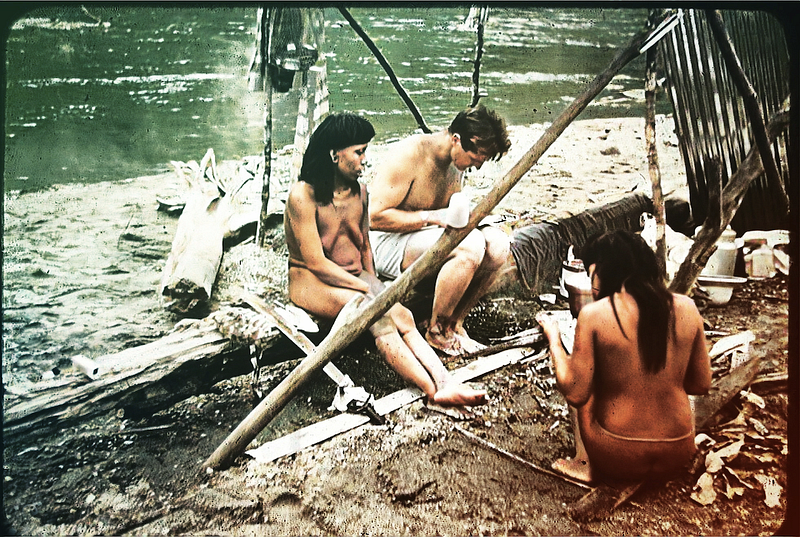
But we find him, in Ecuador, also often unclothed.
I began to wonder, indeed, if Jim had gone to Ecuador, in part at least, to live less clothed.
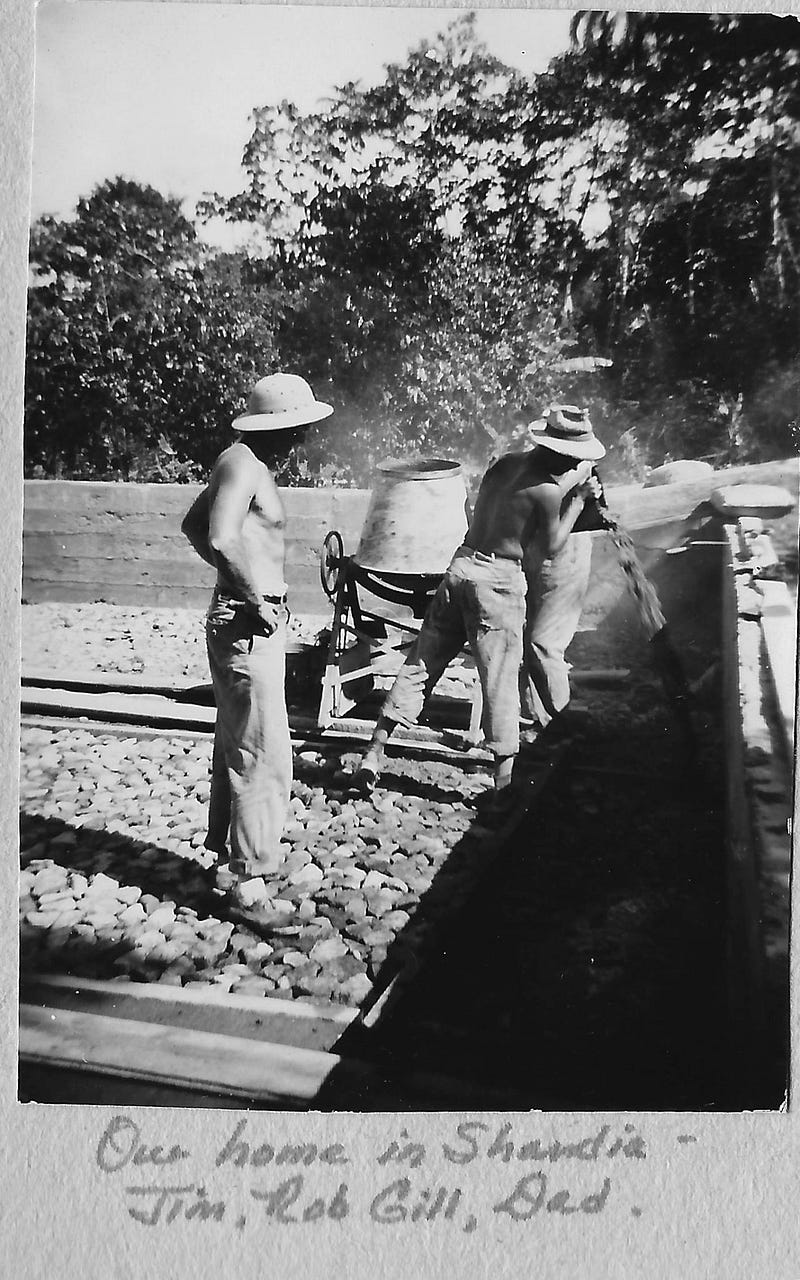
The someone with a camera continues to look at Jim, prompting him to pose? Strangely, from distances.
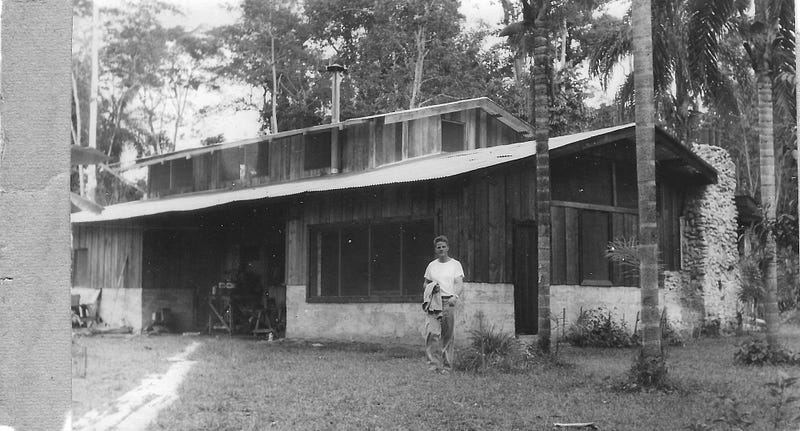
Then sometimes, this photographer seems to find Jim at moments when he’s undressed, half-naked.
Jim stops to pose after he’s been swimming? They’re alone. The photographer grabs the moment to look him over, to savor his body.
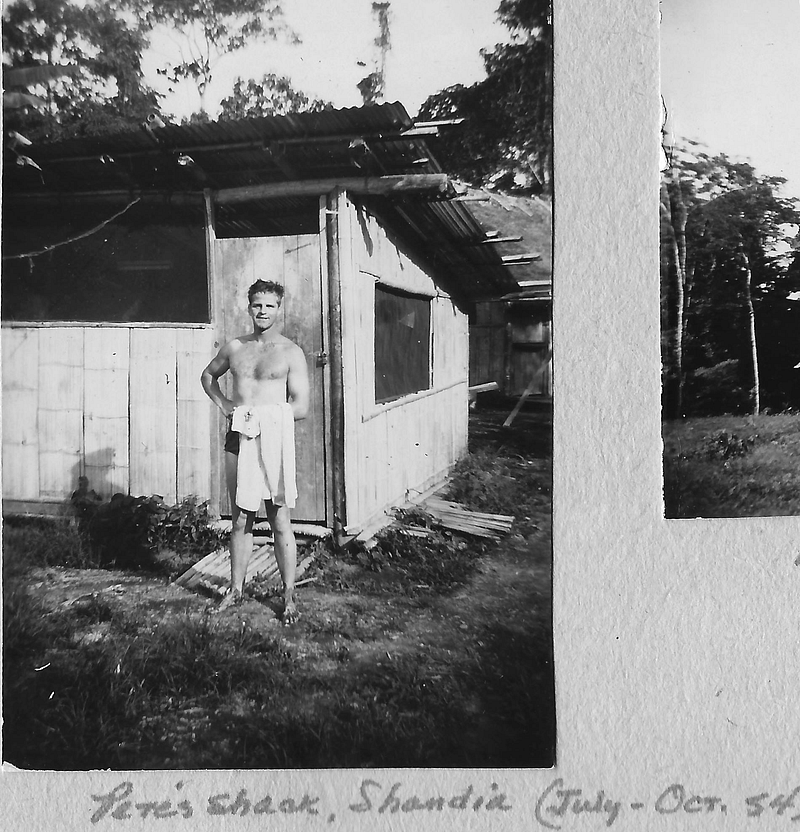
I wonder what Jim was thinking?
Other than he likes being naked—and being looked at.
Though the photographs only dribble out from the Elisabeth Elliot organization, there are images of Jim that don’t seem to be explained. This man with bedroom eyes isn’t looking at his wife. She didn’t know how to use a camera.
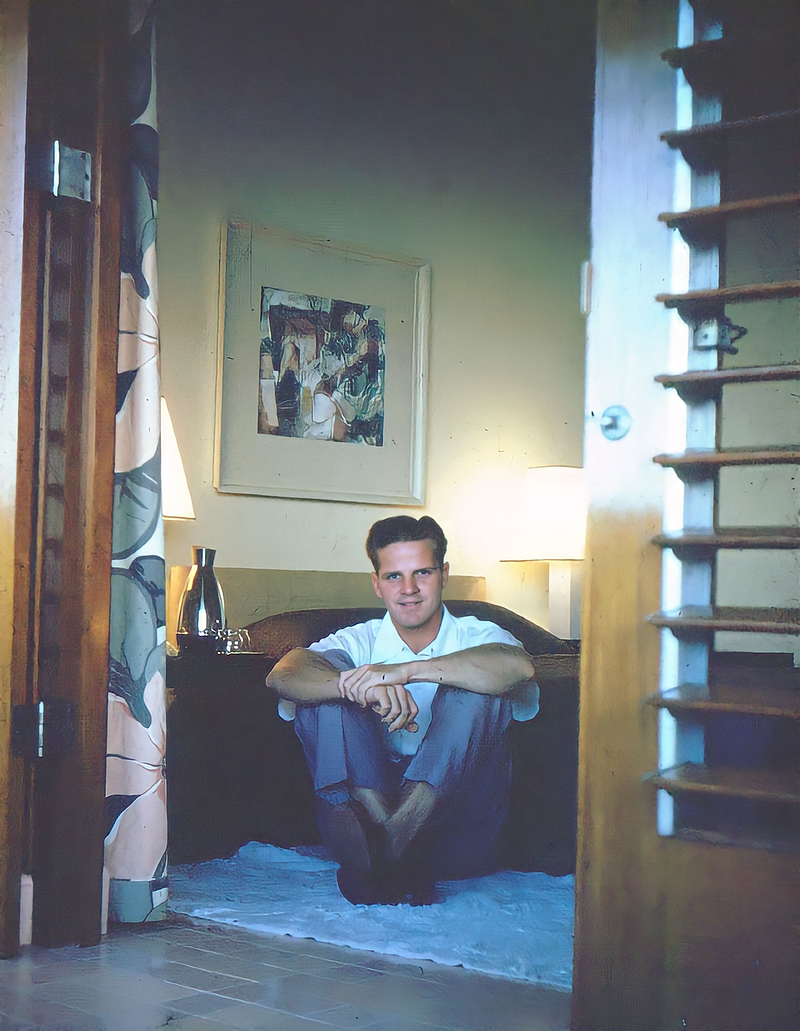
So then I was at Wheaton College doing research on the Elliot story.
I stared in amazement at two shots I’d found in Elisabeth Elliot’s photo slide collection. Was this…Jim?
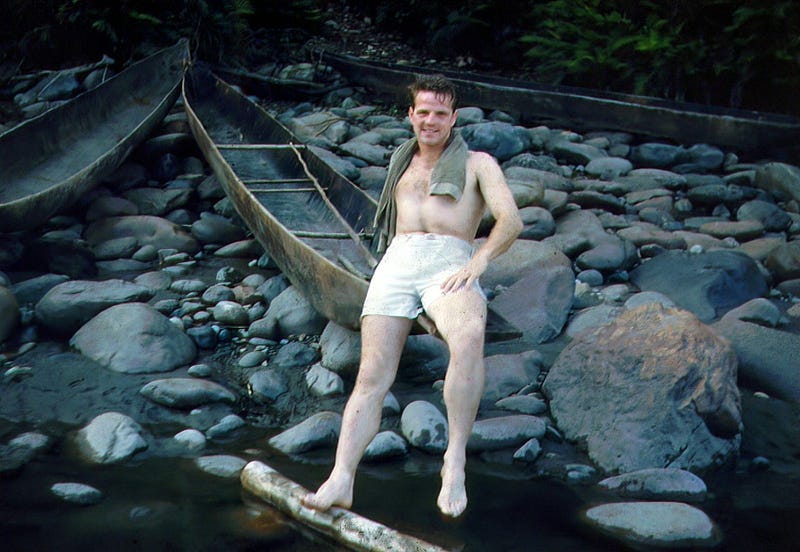
There he is, stretches out over rocks, semi-clothed.
The image was bizarre. I wanted to call it a beefcake shot.
There was another…unseen publicly until now.
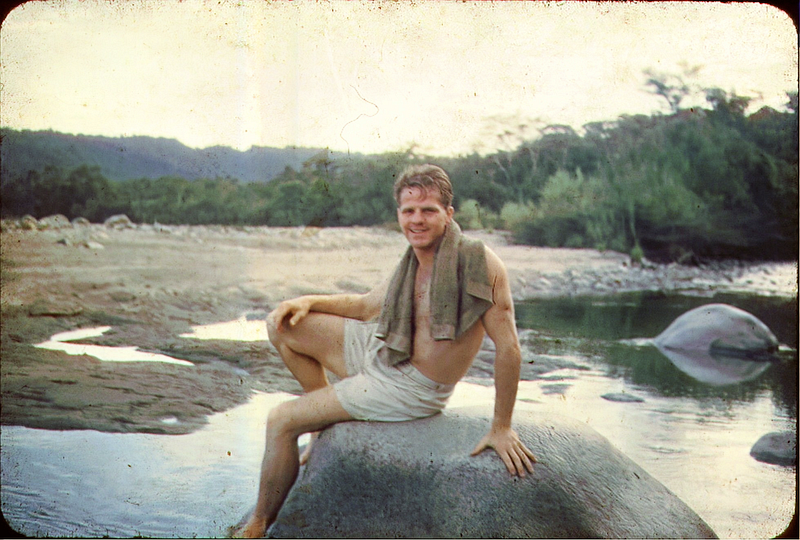
Can we read these ‘new’ shots?
He poses like a flirty stripper, but there’s a world-weariness. Perhaps even a despair, as in Jim’s concealed last journal entry.
In posing provocatively, is he trying to feel sexy and fun, like he used to feel? He drapes a towel over himself, perhaps, to conceal a body that isn’t as athletic than he’d like. He’s embarrassed at his body now.
There’s clearly a relationship with the photographer. And the man with the camera knew a thing or two about beefcake photos.
As a 1950s style, it was widespread.
But if seen in fan magazines or anywhere else, there was a homoerotic origin. It was a gay idea to present a man as a beautiful object.
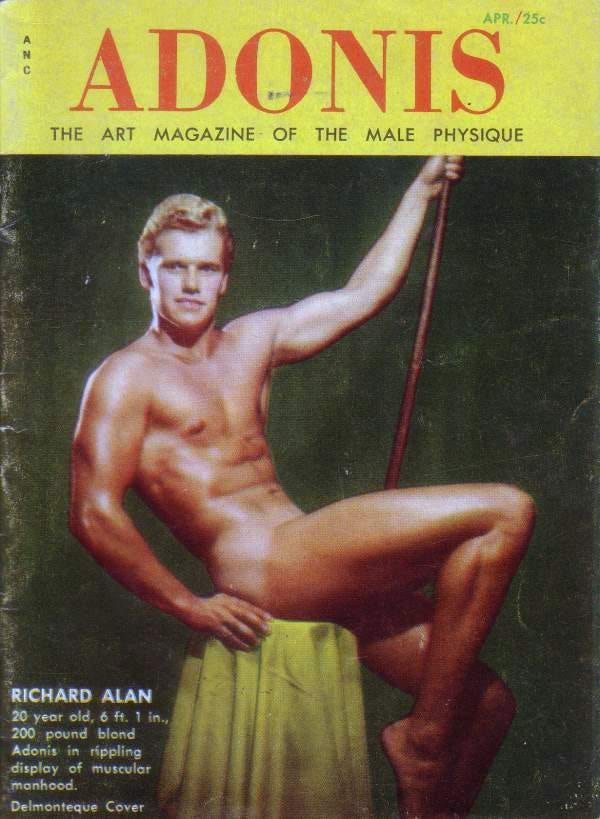
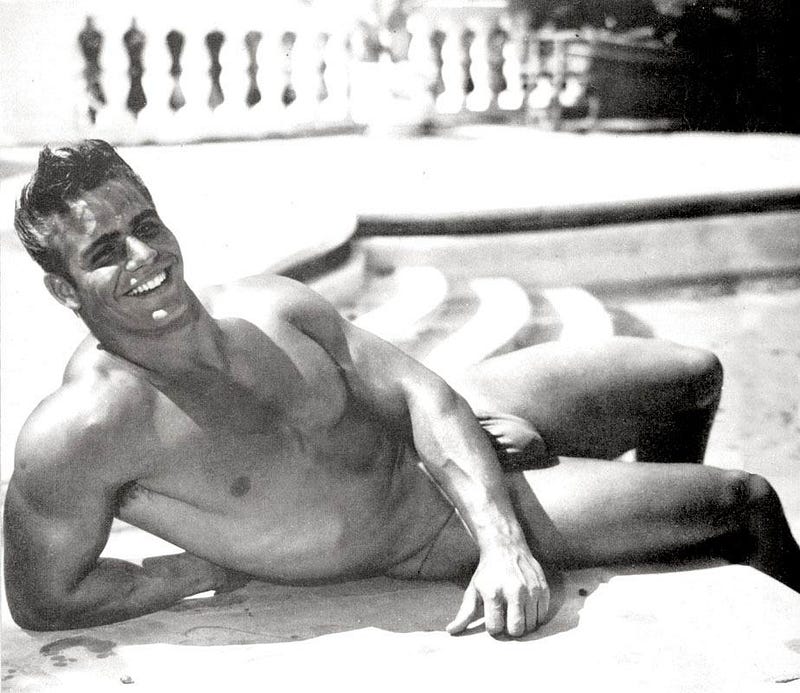
Jim was naked to his final days.
Photos of him taken at ‘Palm Beach’, the site of his famous massacre in 1956, show him typically shirtless. He’s the only one besides the natives who wander by to be so disrobed.
Was he ‘going native’?—trying to shrug off the culture he’d been raised with.
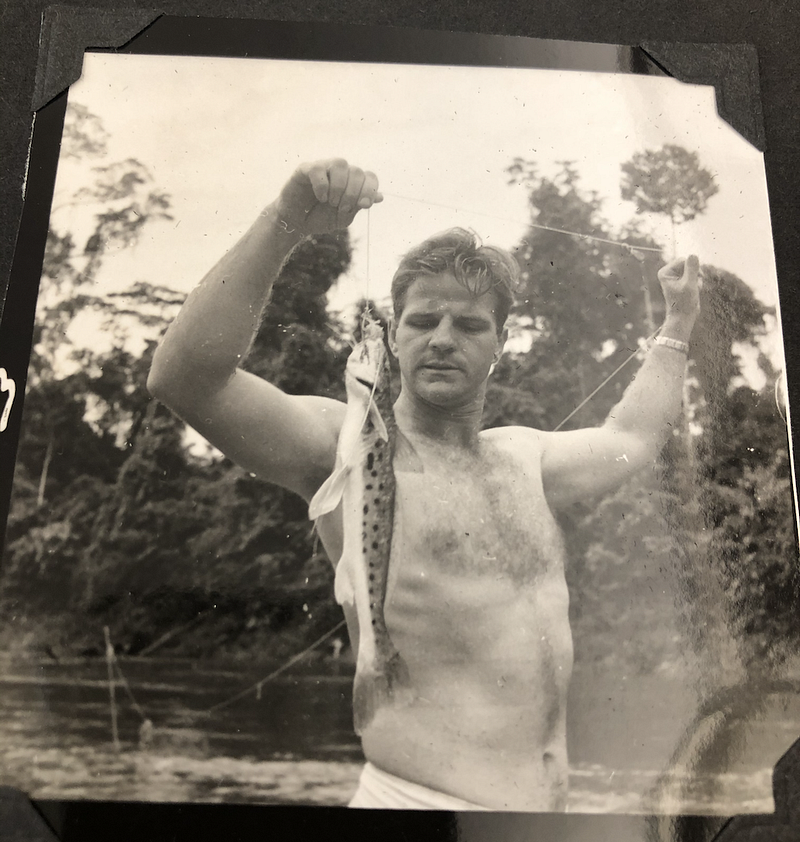
He leaves a strange study in contrasts.
He seems often to be a man trying to be something that, finally, he couldn’t allow himself to be.
I think it would be called—’free’. 🔶