
Is a Tomato a Vegetable or a Fruit? It turns out that tomatoes have so many nutritional benefits
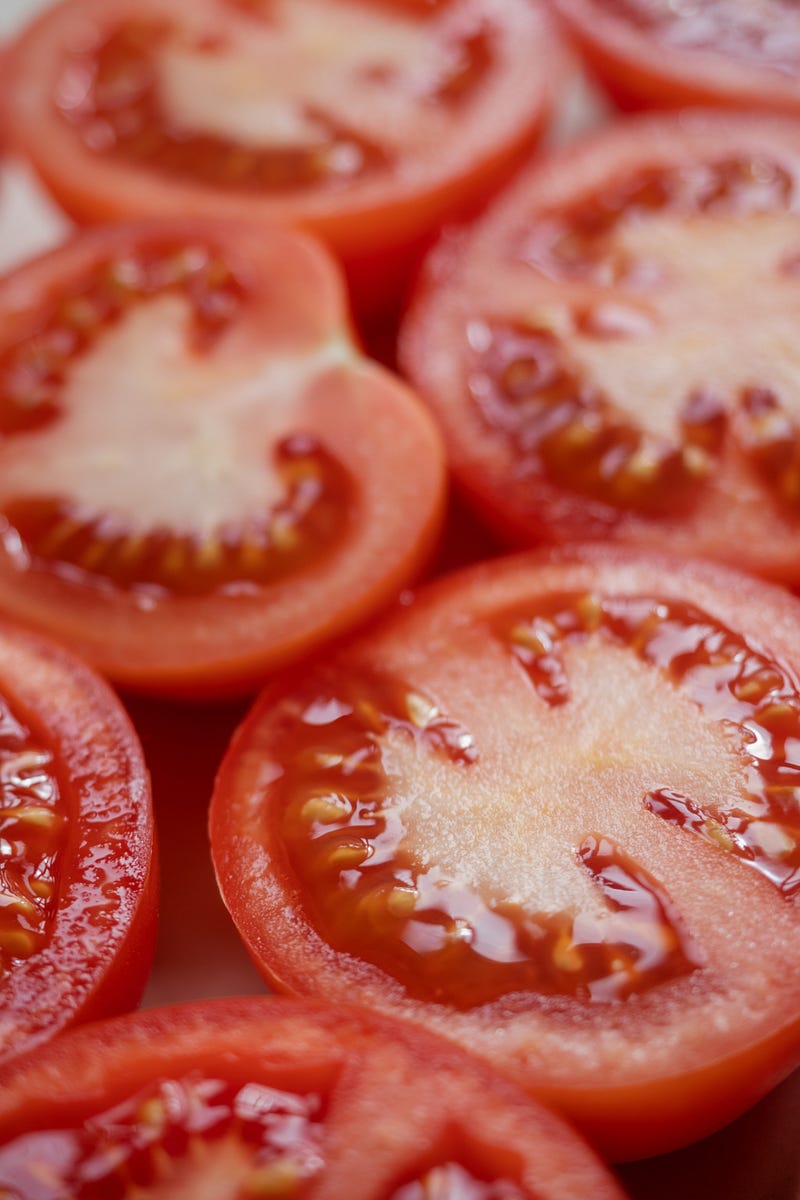
Do you love tomatoes? In addition to eating raw tomatoes, whether they are made into tomato scrambled eggs, tomato soup or processed into tomato sauce, they are delicious. However, because tomatoes are commonly used in various dishes, many people may have doubts in their hearts: Is tomato a vegetable? Or fruit? In addition, the nutritional value of cooked and raw tomatoes and the role of lycopene are also the focus of public concern. The following will introduce the three major nutritional benefits of tomatoes.
Is a tomato a vegetable or a fruit? According to the principle of classification in botany, fruit is the fruit of a plant, which contains seeds and has the function of reproduction, such as apples, peaches, and other seeded fruits; while vegetables usually refer to the roots, stems and leaves of plants, such as carrots and spinach.
From the perspective of nutrition or cooking, fruits are usually soft and contain high sugar content, so they are often used to match desserts; vegetables are usually bitter, and can be eaten raw or cooked. , Avocado, like tomato, often makes people confused about whether it is a vegetable or a fruit.
Tomatoes are defined as vegetables. However, according to surveys on consumption habits, it is generally believed that large tomatoes are vegetables, while small tomatoes are fruits. The main reason is that large tomatoes are less sweet and are often paired with other dishes; small tomatoes are sweeter. , more often eaten directly as fruit.
Nutritional Benefits of Tomatoes Whether tomato is a vegetable or a fruit, its vitamins, minerals and fiber are an integral part of a healthy diet. Here are the nutritional benefits of eating tomatoes.
Efficacy 1: Tomatoes are high in fiber to help lose weight and vitamins to maintain health A tomato contains about 1.5 grams of dietary fiber, most of which are insoluble fibers, including lignin, cellulose, and hemicellulose. These nutrients can promote gastrointestinal motility, prevent constipation and prevent constipation. Reduce the risk of colorectal cancer.
In addition, tomatoes are also rich in vitamin C. One tomato can reach 28% of the daily recommended intake. There is also vitamin K, which can prevent blood clots and protect bones; potassium can control blood pressure and prevent heart disease, and folic acid is vitamin B. A member of , it can help maintain the normal function of cells and tissues, especially important for pregnant women. However, because of the high potassium content, tomatoes are not suitable for kidney patients. It is recommended to consult a doctor to adjust the diet according to individual conditions.
Efficacy 2: Lycopene protects the skin and prevents cancer When it comes to the nutrition of tomatoes, we must mention lycopene (Lycopene), a kind of carotenoid (Carotenoid), is a very powerful antioxidant, in addition to preventing skin sunburn, it can also reduce damage to the body, delay aging, and avoid certain cancers, diabetes (Diabetes) or heart disease, among which prostate cancer is particularly significant.
A study reviewed 26 studies related to lycopene and prostate cancer, and found that the higher the intake of lycopene, the lower the incidence of prostate cancer.
Lycopene is doubled when the tomato is cooked, and the vitamin C in the small tomato is more Many people have heard the following statement, “Tomatoes have to be boiled to have lycopene, which is more nutritious!” In fact, the correct statement should be that the nutrition of raw or cooked tomatoes is different. It is true that the content of erythromycin will be higher after cooking, but it can also retain vitamins when eaten raw, so no matter what form you eat tomatoes, they are equally healthy.
Tomatoes contain many antioxidants and nutrients. Although the nutrients in fruits and vegetables are easily lost after cooking, the lycopene in tomatoes is just the opposite. According to the Journal of Agricultural and Food Chemistry (Journal of Agricultural and Food Chemistry) , Processed canned tomatoes, although the lycopene content is twice as high as that of raw tomatoes, but far less than that of cooked tomatoes.
In addition, the concentration of lutein and beta-carotene will also increase after processing or heating, but the content of vitamin C will gradually decrease due to high temperature. If you want to take in vitamin C, it is recommended to choose small tomatoes, not only the vitamin C content is three times that of large tomatoes, but also very suitable for raw food to avoid vitamin C loss.
Efficacy 3: Tomatoes are rich in antioxidants against free radicals In addition to lycopene and vitamin C, tomatoes also contain a lot of antioxidants, the main function of which is to fight against free radicals and reduce the risk of chronic diseases or cancer in the human body. The antioxidant benefits brought by different antioxidants are also Different, tomatoes mainly contain the following 4 categories:
Chlorogenic acid: A powerful antioxidant that reduces high blood pressure. β-carotene: In addition to being converted into vitamin A, it also has many antioxidant functions. Lutein: Can reduce the chance of age-related macular degeneration (AMD). Naringenin: Animal experiments have found that naringenin can reduce inflammation and prevent many diseases.
About Daily Know More
Thank you for taking the time to read my article! I’m dedicated to bringing you information and knowledge to help improve our daily life, both mentally and physically. If you’d like to join my membership and stay up to date on all of my articles, follow this link. Your support is my motivation and I’m truly grateful for it. Here’s to a healthier lifestyle and a positive outlook! If you appreciate my work, please consider clapping and tipping to help spread the good vibes.