
Is a Raw Diet Good for You?
Some raw foods may disrupt thyroid function
Some people will answer the question of whether ‘eating raw’ is good with a resounding “yes,” stating that it increases their energy. A lot.
But a raw-foods diet may backfire for other folks.
A wide variety of foods, many of them quite nutritious, contain goitrogens. Goitrogens disrupt normal thyroid function because they interrupt the production of thyroid hormones. They do that either by blocking or interfering with iodine, necessary for thyroid function, or by interfering directly with thyroid stimulating hormone (TSH).
Problems linked with thyroid dysfunction involve heart rate and body temperature control, metabolism of fats and carbs, production of protein, weight gain or obesity, dementia, bone fractures, heart disease, and more.
If someone has a thyroid problem — or even a family history of thyroid problems — goitrogens in food can worsen thyroid issues.
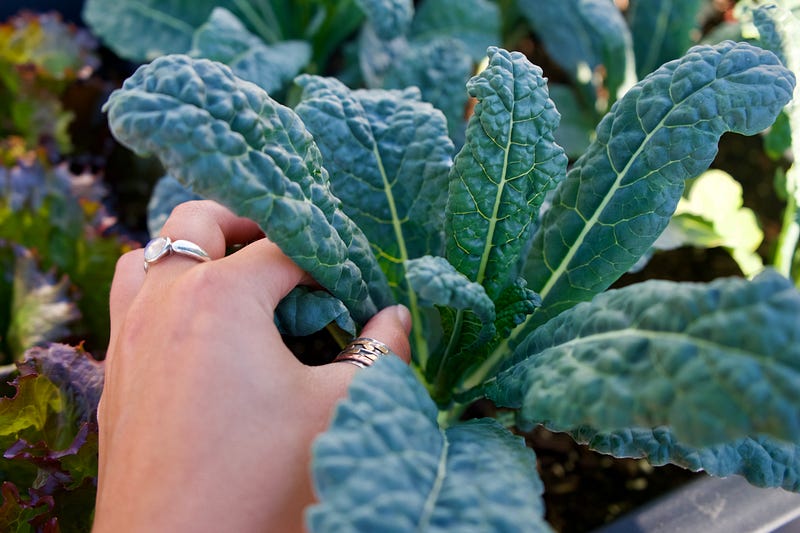
Examples of foods that contain very high levels of goitrogens are broccoli, Bok choy, Brussels sprouts, kale, cabbage, collard greens, cauliflower, and other cruciferous vegetables. Other examples are peaches, pears, strawberries, starchy plants, and soy-based foods.
So What Can You Do?
If you lean toward eating a raw-foods diet, you may want to start steaming or sauteing your vegetables. Cooking tends to eliminate the dangerous effects of goitrogenic foods.
Also increase your intake of iodine with kelp, iodized salt (1/2 teaspoon) or sea salt. Increase your selenium with 2 Brazil nuts per day, and/or sunflower seeds.
For more food tips to keep you feeling great, just visit LastResortNutrition.com and grab your free Make Me Healthy Consult. Discover just how easy it is to make a few shifts in food that can change your health completely.
Brought to you by Dr. Joan Kent, best-selling author of Stronger Than Sugar.


