
Is a Barbecue Real Without Corn?
How marketing myths launch industries.
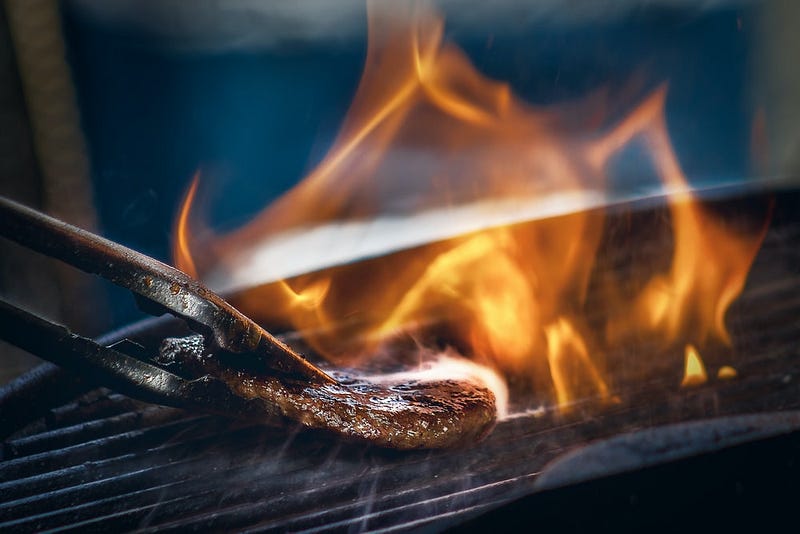
To my dismay, we hosted a Father’s Day barbecue at the house. This is despite the fact that Florida is becoming the epicenter of the coronavirus.
Nevertheless I’m trying to make the most of the situation. Writing and listening to music have been therapeutic.
One thing my grandmother has been worried about all weekend is getting corn. She made my grandfather go all around just to find cobs of it.
Considering that we already have an endless supply of other food for the barbecue, I asked my grandma why she needs corn so badly.
Her answer?
“It’s not a barbecue unless it has corn!”
Mythical Narratives + Purchases = Culture
Robert Shiller, a Nobel laureate from Yale, published what will probably go down as one of the most important books in economics: Narrative Economics.
The book can be summed up into one sentence: narratives are created by myths and those narratives shape our purchases.
Consider the housing boom of the 90’s and 2000’s.
It was the best idea to buy a house, until it wasn’t. Presidents Clinton and Bush Jr. permitted the housing bubble to blow up. Their chairman of the Fed didn’t help too much, either.
Home ownership is part of the American Dream.
I don’t have to recall what happened next. Another Nobel laureate, Richard Thaler, summarized it in The Big Short.
We have a few elements to consider…
- Myths: A strong belief in something that is not factually true. It can or it can’t be.
- Narratives: Stories based on the belief of that myth. Stories that a customer can envision themselves partake in.
- Purchases: No need for explanation.
- Culture: The collection of a certain people and their behavior.
You can’t enjoy a movie without popcorn. You can’t enjoy pancakes without syrup. You can’t have a barbecue without corn.
These are all marketing myths.
It’s not like homo sapiens emerged, and several thousand years later we became hungry for popcorn in an AMC.
This didn’t happen as much as it was a learned behavior. And the same goes for corn in barbecues.


