
Iran’s Islamic Revolution How It Changed The Country Forever
Exploring the Lasting Effects on Politics, Society, and International Relations
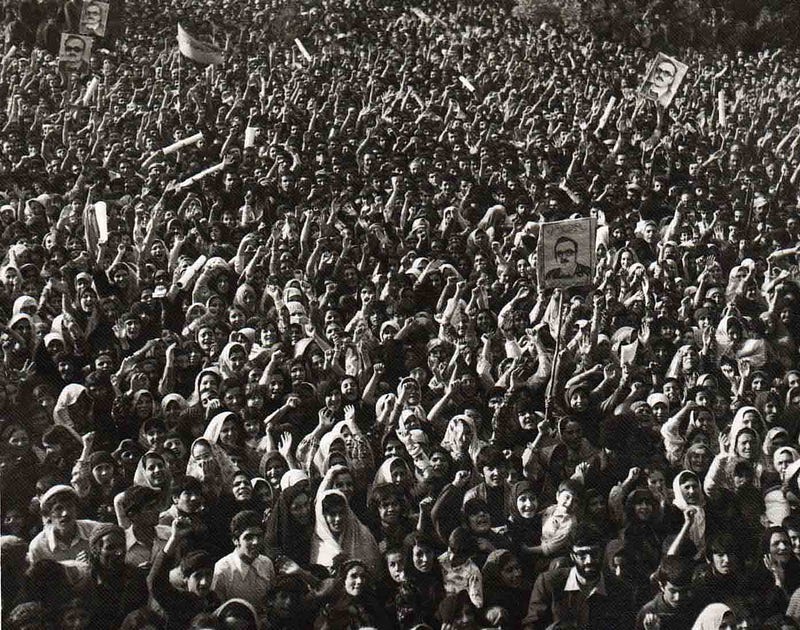
The Islamic Revolution of Iran, which occurred in 1979, was a watershed moment that brought significant changes to the country. Led by Ayatollah Ruhollah Khomeini, the revolution overthrew the monarchy and established an Islamic republic, setting Iran on a new course that continues to shape its politics, society, and international relations.
Establishment Of an Islamic Republic:
The Islamic Revolution of Iran, which unfolded in 1979, resulted in the establishment of an Islamic republic and marked a significant turning point in the country’s history.
Led by Ayatollah Ruhollah Khomeini, the revolution successfully overthrew the monarchy and replaced it with a government guided by Islamic principles. Ayatollah Khomeini assumed the position of Supreme Leader, consolidating religious authority and shaping the country’s political landscape.
Following the revolution, Iran’s constitution was revised to reflect the ideals of the Islamic republic. Islamic law, or Sharia, became the foundation of the legal system, and clerics gained substantial influence over the government, military, and judiciary.
This theocratic framework fundamentally altered the power structure in Iran, as religious leaders assumed prominent roles in decision-making processes and policy formulation.
The establishment of an Islamic republic also had far-reaching implications for the rights and freedoms of Iranian citizens. The revolution led to the implementation of strict Islamic codes of conduct in various aspects of daily life.
Dress codes, behavior, and personal liberties were subject to increased regulation and scrutiny, and adherence to Islamic practices became a societal expectation.
One of the notable changes following the revolution was the imposition of the mandatory hijab (veiling) for women. The hijab became a symbol of the revolution’s ideology and was enforced through moral policing and legal measures.
This significant shift in women’s rights and freedoms sparked debates and resistance within Iranian society, leading to ongoing discussions and movements advocating for women’s rights.
Furthermore, the role of mosques and religious institutions expanded significantly, serving as centers for religious guidance, education, and social activities. Islamic teachings and values were emphasized in schools and universities, contributing to the Islamization of education and intellectual discourse.
The establishment of an Islamic republic not only transformed the political and social landscape of Iran but also had a profound impact on its international relations.
The new government sought to export its revolutionary ideology, supporting like-minded Islamist movements abroad. This stance and its opposition to Western influence fueled anti-Western sentiment and strained relations with the United States and other Western powers.
Anti-Western Sentiment and Hostility
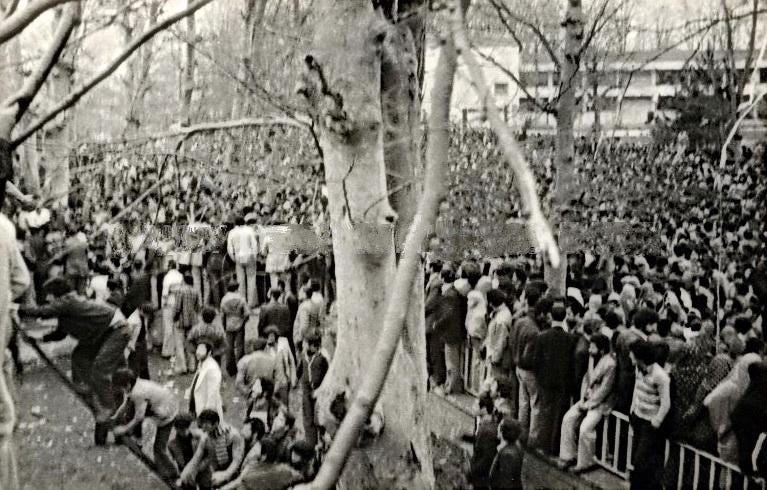
The Islamic Revolution of Iran gave rise to a wave of anti-Western sentiment and hostility that had profound implications for Iran’s domestic affairs and international relations. The revolutionaries perceived Western powers, particularly the United States, as complicit in supporting the Shah’s repressive regime, leading to a deep-seated distrust and animosity towards the West.
One of the most emblematic manifestations of this anti-Western sentiment was the 1979 hostage crisis, in which Iranian militants seized the U.S. Embassy in Tehran and held American diplomats captive for 444 days. This event not only strained diplomatic relations between Iran and the United States but also captured global attention, exacerbating tensions between Iran and the Western world.
The hostage crisis became a symbol of defiance against perceived Western imperialism and interference in Iran’s internal affairs. The revolutionaries framed it as a response to decades of Western exploitation and a way to assert Iranian sovereignty and independence. The incident further solidified the image of Iran as an adversary to the West and had a lasting impact on international perceptions of the country.
The anti-Western sentiment that emerged from the revolution also influenced Iran’s domestic policies.
The government sought to reduce Western cultural influence and promote Islamic values, leading to the imposition of restrictions on Western-style media, music, and entertainment. Anti-Western rhetoric became a key component of political discourse and was used to mobilize public support for the regime.
Additionally, the revolution’s anti-Western stance had consequences for Iran’s foreign policy. Iran shifted its alliances and sought to build relationships with countries that shared similar anti-imperialist and anti-Western sentiments.
This led to closer ties with countries like Syria and Venezuela, as well as non-state actors such as Hezbollah in Lebanon and Hamas in Palestine. Iran’s support for these groups positioned it as a regional player challenging Western influence and backing movements opposed to Israel and Western-backed regimes.
The anti-Western sentiment and hostility that emerged from the Islamic Revolution continue to shape Iran’s foreign policy and its interactions with the West. Tensions between Iran and the United States, in particular, have persisted over the years, with conflicts arising from issues such as Iran’s nuclear program, regional influence, and human rights concerns.
Impact on Iran’s Foreign Policy and Economic Consequences
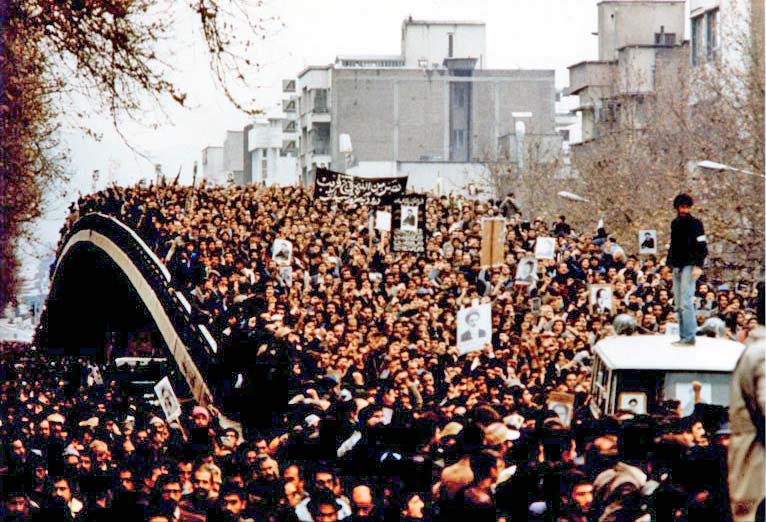
The Islamic Revolution had a profound impact on Iran’s foreign policy, leading to significant shifts in its approach to regional and international affairs. The establishment of an Islamic republic under Ayatollah Khomeini’s leadership brought a renewed focus on exporting Iran’s revolutionary ideology and supporting like-minded Islamist movements worldwide.
Iran’s foreign policy became more assertive and aimed at challenging what it perceived as Western hegemony in the region. The government actively sought to undermine
Western-backed regimes and support anti-Israeli movements. Iran’s support for groups like Hezbollah in Lebanon and Hamas in Palestine positioned it as a key player in Middle Eastern conflicts and as a champion of resistance against perceived Western domination.
These policies led to increased involvement in regional conflicts and proxy wars, such as the Lebanese Civil War and the ongoing Syrian Civil War. Iran’s military and financial support for allied groups and governments aligned with its revolutionary ideology created regional alliances and enmities that continue to shape the geopolitical dynamics of the Middle East.
Furthermore, Iran’s foreign policy approach has been characterized by resistance to Western pressure and attempts to diversify its international alliances. The country sought partnerships with countries that shared anti-Western sentiments or were willing to challenge Western dominance, such as Russia and China.
This pursuit of alternative alliances allowed Iran to mitigate the impact of Western sanctions and expand its influence on the global stage.
Economic Consequences on Iran
The Islamic Revolution and subsequent policies had significant economic consequences for Iran. The nationalization of industries and redistribution of land implemented in the aftermath of the revolution resulted in economic upheaval and capital flight.
Many Iranians who had played key roles in the economy under the previous regime left the country, leading to a loss of expertise and a disruption in economic productivity.
The eight-year-long Iran-Iraq War, which followed the revolution, further strained the economy.
The conflict, characterized by massive military spending and extensive damage to infrastructure, resulted in substantial economic losses and human casualties. Iran’s focus on the war effort diverted resources away from economic development and hindered long-term growth prospects.
Moreover, Iran’s confrontational stance with the West led to economic isolation and the imposition of international sanctions. These sanctions, aimed at curbing Iran’s nuclear program and pressuring the government to change its policies, had a significant impact on Iran’s economy.
The restrictions on trade, finance, and investments limited Iran’s access to global markets, hampered foreign direct investment, and hindered the development of key industries.
While Iran has attempted to mitigate the economic consequences through diversification of its trading partners and implementation of domestic economic reforms, the impact of sanctions and limited access to international markets continue to pose significant challenges to Iran’s economic growth and development.
The Islamic Revolution had a profound impact on Iran’s foreign policy, leading to a more assertive and ideologically driven approach. The country’s active involvement in regional conflicts and support for like-minded groups reshaped the geopolitical dynamics of the Middle East.
Additionally, the economic consequences of the revolution, exacerbated by the Iran-Iraq War and international sanctions, have posed significant challenges to Iran’s economic growth and development.
Please follow me subscribe to my profile for inspiring and entertaining stories and visit my referral link to get full stories


