
IoT Devices Could Dump Millions of Batteries Daily
Daily Discard of 78 Million IoT Batteries Predicted by 2025
A massive number of approximately 78 million batteries, used to power Internet of Things (IoT) devices, are expected to be discarded on a daily basis worldwide by 2025 if no measures are taken to enhance their lifespan. This alarming projection is the result of a study conducted by EnABLES, a project sponsored by the European Union, which highlights the urgent need to increase battery longevity.
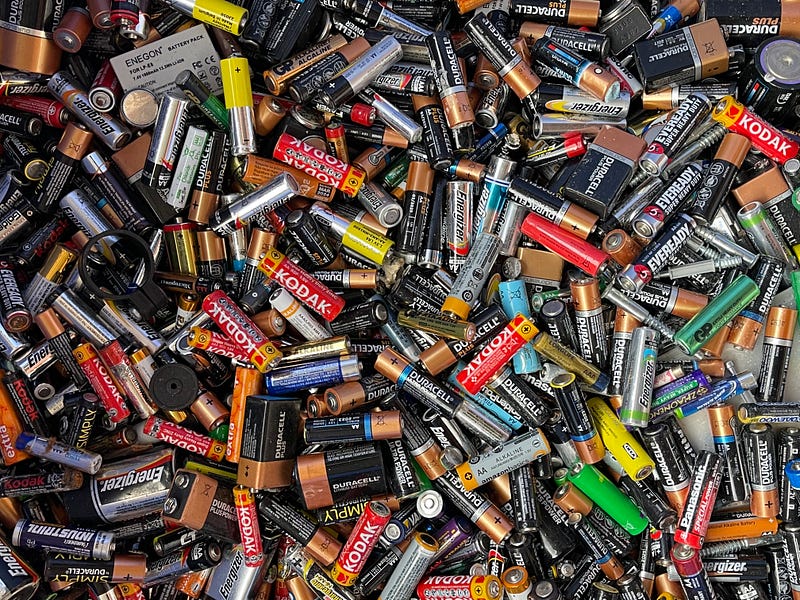
EnABLES emphasizes the necessity to focus on the sustainability of IoT devices, as the waste generated from their short-lived batteries poses a significant environmental challenge. They urgently call on researchers and technologists to develop new strategies and technologies that can ensure batteries last as long as, or outlive, the devices they power.
This issue also touches upon corporate social responsibility. It is high time that manufacturers of IoT devices take into account the ecological implications of their designs when developing the next generation of devices. EnABLES insists that manufacturers should make a conscious effort to enhance battery life, which will not only benefit the environment but also increase product value and customer satisfaction.
The consumer demand for sustainable technology is also growing rapidly. Customers are becoming increasingly conscious about their impact on the environment, and many are willing to pay more for green products. Consequently, IoT device manufacturers who prioritize sustainability in their design and production processes will likely gain a competitive advantage.
The global waste crisis presented by millions of discarded batteries can be mitigated by taking strategic steps towards the production of longer-lasting batteries and the sustainable design of IoT devices. It’s crucial to bear in mind that consumers will demand this proactive approach towards sustainability. Therefore, companies should take this as an opportunity to innovate and meet these expectations while contributing positively to the environment.