
Invisible Chains: The High Price of Free Speech
Balancing Personal Values in the Age of Hyper-Expression
The excitement was palpable. I remember the first time we got a family computer. The beige monolith sat in the corner of our dining room, an emblem of progress and modernity. My siblings and I, products of a public school education, couldn’t wait to harness its power for our academic pursuits. But the real magic, we soon realized, was the internet.
Now, the internet of my youth was not the same as today’s vibrant and almost sentient web. No, our online world was built on the backs of dial-up connections, where every page load was a lesson in patience, each completed download a victory. Yet even with its limitations, the web opened up new avenues of expression.
Growing up in a family with its own set of traditions and values, my siblings and I were no strangers to rules. My parents, immigrants who’d sacrificed everything for a better future for us, held firm beliefs on what was right and wrong. But these boundaries, though suffocating at times, also gave me clarity. There was comfort in knowing where the lines were drawn.
The internet, however, had different plans. Chat rooms, forums, and personal blogs became platforms for every voice, every thought. There was no guidebook, no definitive right or wrong. It was a free market of ideas where everyone was welcome, and everything was permitted.
It was exhilarating. Suddenly, I could voice opinions without immediate backlash. I could experiment with different personalities, delve into topics taboo in my real-life community, and immerse myself in diverse cultures without ever leaving my seat.
But as with all freedoms, this new space for expression came with its own set of challenges. With every post and comment, the line between my online persona and my real self started blurring. The thoughts and beliefs I held sacred were constantly challenged and sometimes ridiculed. The same platform that gave me a voice also exposed me to a barrage of contrasting views, often overwhelming my young mind.
In my quest to fit into this digital arena, I often found myself bending, modifying, or even completely changing my opinions based on the popular narrative of the day. The boundaries set by my upbringing started fading. It wasn’t long before I felt like I was losing a part of myself.
Then came social media. Now, not only were we encouraged to share our thoughts, but our lives became open books. Every meal, every vacation, every achievement was documented, filtered, and posted for the world to see. Likes and comments became the new currency, and we were all in the race.
In this quest for validation, I started to drift away from the person I once was. The values and traditions that once grounded me were overshadowed by the desire to be part of the trending conversation. The family dinners, once a sacred time for bonding, became mere backdrops for the perfect Instagram post.
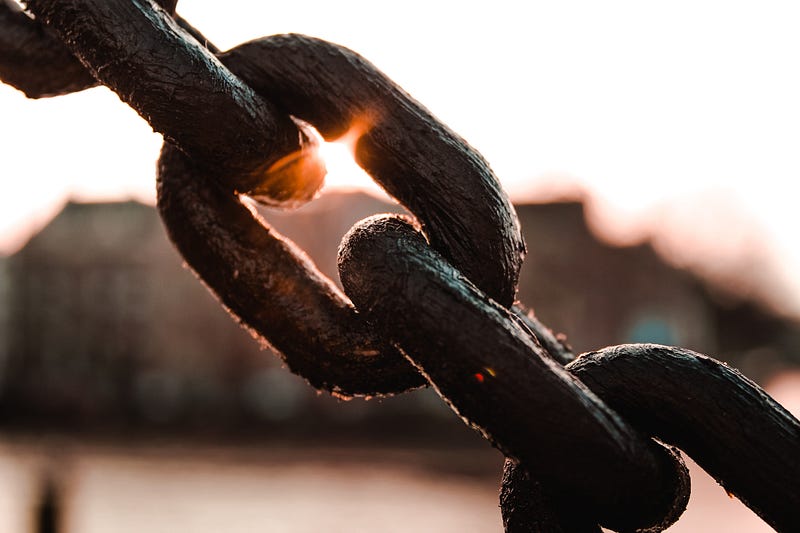
As time went by, I began to feel the weight of this digital existence. The pressure to constantly share, to always have an opinion, to be perpetually available became exhausting. And in the midst of it all, a realization dawned upon me. The internet, which promised a platform for free speech, had in many ways ensnared me in invisible chains.
It was time for a change.
I made a conscious decision to step back and rediscover myself. I took a hiatus from social media, spent more time with family, revisited hobbies, and reconnected with my roots. It was during this period of introspection that I realized the true cost of free speech on the internet. It wasn’t about censorship or the lack of a platform. Instead, it was about losing one’s authentic self in the noise.
Today, as a high school teacher, I often share these insights with my students. I urge them to embrace the digital world but also to be wary of its pitfalls. And that it’s okay to take a step back, to disconnect, and to find their true selves away from the screens.
In this age of hyper-expression, where we are constantly bombarded with information and opinions, it’s really important to find our own voice. To recognize the invisible chains that can bind us and to break free from them.
As for me, I’ve found a balance. I still use social media, but with a renewed sense of purpose and a clear understanding of its impact. I’ve learned to value silence as much as speech, and to cherish the real-world connections just as much as the digital ones.
The internet, in the end, with all its pros and cons, is just a tool. It’s up to us to decide how we use it.