
Investing in Education in Denmark: A Model to Follow
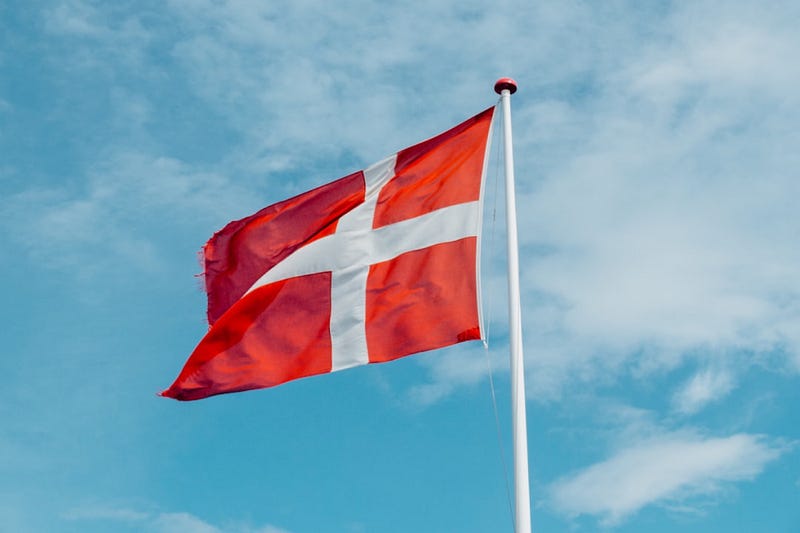
Denmark, with its pioneering policies in higher education, stands as a shining beacon amidst the darkness of financial struggles that many students face worldwide. The Nordic country has demonstrated that quality education doesn’t have to be a privilege reserved for the few but rather an accessible right for all, regardless of socio-economic status. A fundamental pillar of this system is the economic accessibility of universities, with a policy that makes them free for all students, both nationals and internationals.
A Strategic Investment in the Future
The importance of education cannot be emphasized enough, and Denmark has made this principle a top priority by investing significantly in its educational system. With an annual expenditure of approximately 1.1% of its GDP, amounting to around 3.3 billion euros, the Danish government demonstrates a tangible commitment to ensuring that its citizens have access to high-quality education without facing an unsustainable financial burden.
Economic Support for Students
In addition to ensuring free access to higher education, Denmark also commits to providing direct financial support to students in need. Those living on their own, for example, receive a monthly stipend of around 800 euros to help cover living expenses, accommodation, and other daily necessities. This financial support not only alleviates the financial burden on students but also allows them to fully focus on their studies without worrying about full-time jobs or heavy debt.
Positive Impacts on the Economy and Society
The generous investment in education has wide-ranging benefits for Danish society as a whole. Accessible education means a more qualified and competent workforce, which can significantly contribute to economic growth and innovation. Furthermore, it reduces socio-economic inequalities, offering individuals from all backgrounds the opportunity to realize their full potential.
A Model to Follow for the Whole World
Denmark, with its progressive and inclusive educational system, sets an exemplary model for the rest of the world. Its dedication to education as a fundamental right and its commitment to investing in future generations are qualities that should inspire other countries to follow suit. While many nations struggle with the rising costs of education and accessibility challenges, Denmark provides a tangible example of how these challenges can be overcome through determined political and financial commitment.
Denmark’s case demonstrates that an accessible and high-quality educational system is not only possible but also extremely beneficial for society as a whole. It’s time for other countries to take note and follow the example of this Nordic nation by investing in education as an investment in the future.