
PSYCHOLOGY|MENTAL HEALTH
Invaluable Lifehacks That Truly Help Everyday Life For People With ADD, ADHD Or Other Executive Function Impairments
Knowing these things could help someone you probably know as well
One of the best things I’ve gotten from the “open letter rant” that I published exactly 2 months ago is an education.
There is a long thread in the response section of that story because Julia Marsiglio’s words made a strong impression on a lot of people who have some kind of executive function impairment.
She went into detail in such a way that caused me and others to take notice (and maybe notes). I’ve gone to her profile to see if she has since written about this and she hasn’t. I think this information is really important and helpful, including those of us who know people with these challenges.
Here’s what Julia had to say:
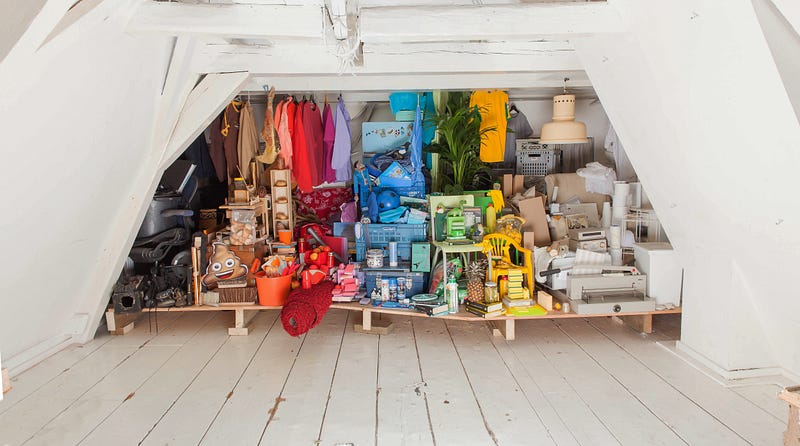
I have ADHD. What comes naturally to you really, really doesn't to me. I have to make myself housekeeping checklists and break down tasks others find simple into sequential steps. Everything needs bold labels and pre-ordained organization. If it is in a drawer, I forget it is there. It needs to be visible or labelled. That's the work I have to do before I start cleaning. Once I start, I need to be able to stay in focus--hyper focus. My kids are home because of Covid constantly now. This makes it harder. I lose track of what I am doing and move on to something else easily.
I have to be very intentional in what I buy and keep. Too many things makes the clutter impossible to deal with. Remember, if it's packed away, I won't know it exists. That's my disability. I have open shelving in the kitchen and peg board for organization. My pantry is organized with clear bins all labelled in the same bold font. If I don't put this extra work in, I'd never be able to maintain order. Too many fonts and colours and a lack of uniformity confuses me.
My house isn't filthy, but it isn't super clean all the time either. We manage how we do, and it doesn't impact anyone else. And unlike most Americans, we don't wear shoes inside.
No we are not living in squalor with mold and such. But being overly clean is also known to negatively impact health and make people more prone to autoimmune conditions. It's the kind of thing you have to let people figure out for themselves. We're not all living with the same neurology or life circumstances.
I always clean any new home I move into as though it were filthy (and yes it takes days) even if it looks clean. If it had mold or excrement, or anything of that nature, I would not be renting or buying that place in the first place.
In a later response to me about this story, she also wrote:
Yes, ADHD, autism and a whole host of other things cause executive function challenges that make the steps of cleaning difficult. Eventually I intend to write a book about the home organization and cleaning system I have developed (or am developing—it's a work in progress) for myself. I think it can help other people who have executive function challenges. But cleaning is more challenging to me than almost anything else. It's like that part of my brain is missing. I am a person with three degrees, and yet I become very confused by an untidy house. Knowing that it was one of my ADHD symptoms helped me learn how to "hack" it, but it's super hard.
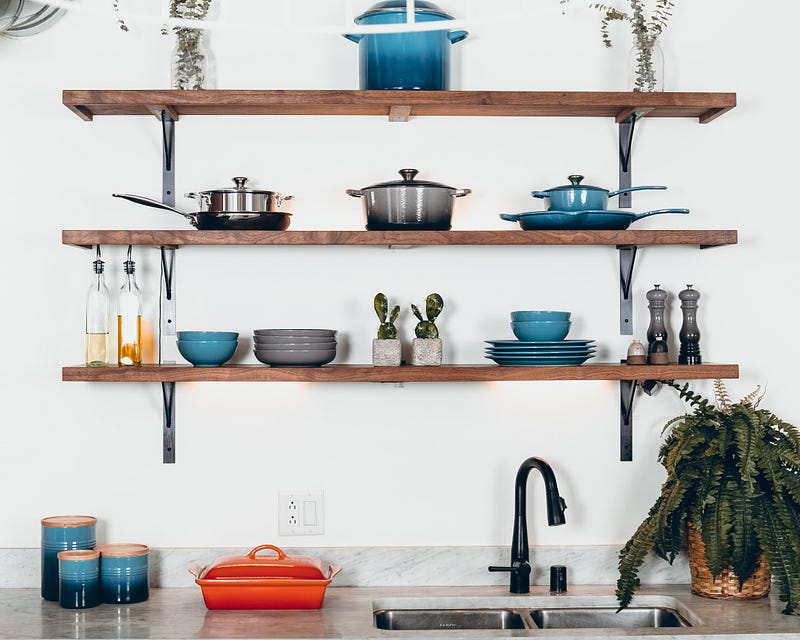
I prioritize keeping things clean over keeping them tidy. Another thing that helps me is having an organization that is visually accessible. By this I mean open shelves, hooks, pegboards etc. If I tuck something in a drawer I have trouble recalling it is there or where it goes if it is not there. My kitchen is mostly open shelves and pegboards. It stays pretty tidy that way, which makes it easier to keep clean too. I use the label maker to label everything too.

5 Fast Facts:
Males are almost three times more likely to be diagnosed with ADHD than females.
During their lifetimes, 13 percent of men will be diagnosed with ADHD.
Just 4.2 percent of women will be diagnosed.
The average age of ADHD diagnosis is 7 years old.
Symptoms of ADHD typically first appear between the ages of 3 and 6.
ADHD isn’t just a childhood disorder. About 4 percent of American adults over the age of 18 deal with ADHD on a daily basis.
Considering the fact that I work with children and have friends who have ADHD, I paid attention and am grateful to have learned to be more compassionate as to how they, and others like them, struggle with things that come easier to some of us.
By the way, let me set the record straight that I do NOT like to clean nor am I shaming anyone who doesn’t have a clean home!
That has been a huge misunderstanding by some in response to the open letter story.
Here’s a good article that I came across in my research that might be of use to some of you or others you probably know. I do a lot of these things to help make my life easier as well because I am easily overwhelmed during stressful times, like the holiday season. This one’s my favorite:
Keep items that are used together near each other. That way, you don’t have to keep running around to get the things you need to do a job. (You’ll also be less likely to go out and purchase duplicates.) For example, keep wrapping paper, tape, scissors, and ribbons in the same closet so you have everything you need to wrap presents.
Here’s a story by Julia Marsiglio that she published last December that made me wish I experienced this degree of participation in household chores. I never have, not even while living with my mother. It sounds like a dream…
I Grew Up With Sisters. I Miss the Sharing of “Women’s Work”
It’s all on me now
foundinmyjournal.com
Thank you for sharing your experience and knowledge.
The following 3 stories are all related to this story, starting with the original “Open Letter”:
Become a member:


