
Intuitive People Skills
During the Many Tasks of Addiction Rehab
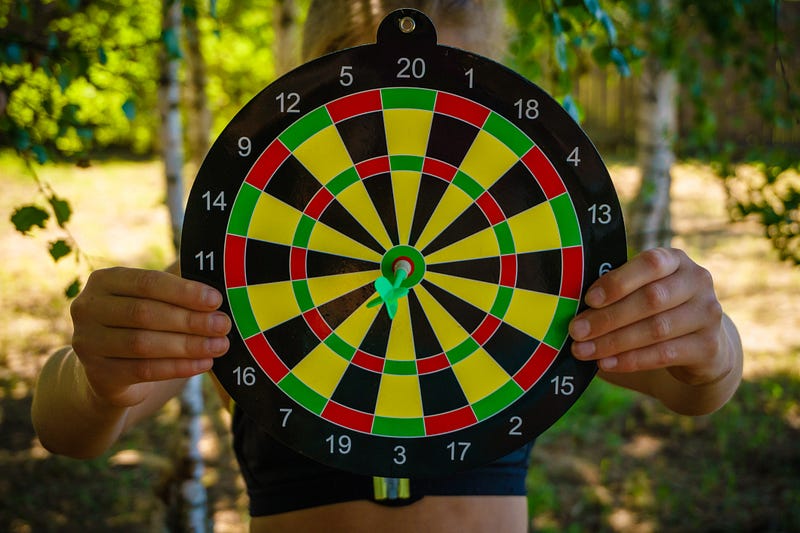
Addiction Counseling is like a dart board game, only the counselor has to hold the dart board.
If I have to fix something broken or do something technical, I fool with it for a while, and it seems to go together or get fixed.
Maybe it’s called troubleshooting and fixing things intuitively, not an uncommon experience for fathers who put together the kids’ bicycles on Christmas Eve. Some people have a natural ability to understand and address technical issues through hands-on exploration.
I long to have that skill in greater abundance. It can save a lot of time and frustration.
In addiction treatment, approaching problem-solving in some areas seemed very instruction-bound, while in other aspects of drug rehab, I had to wing it. And when I flew to the wrong sore spot, it was a doozy.
There was no wiggle room in the license recertification process. The boss subscribed to a technical website, and we had to sit in front of the screen, reading and answering multiple-choice questions. If you didn’t score what was requisite, you didn’t get the necessary hours to recertify.
Another tightly fixed area was the schedule. Clients had to have so many hours of individual counseling, group counseling, and a required number of life skills instruction classes. Some of the topics seemed set in stone, such as smoking cessation, sexually transmitted infections, bad things that happen to the baby inside the mom, and trauma and abuse information.
The only thing that was free to choose from was the individual counseling “interventions.” My strength was in assessment and crisis intervention. Once, when a supervisor pressed me to name my counseling system, I seemed stuck until I remembered using Neurolinguistic Programming. The straw boss wanted to hear “Rogerian reflective listening,” “Gestalt,” or whatever was in vogue during that far-away decade.
Nowadays, it’s required to use “best practices” techniques like motivational interviewing, cognitive-behavioral therapy, humanistic therapy, psychodynamic therapy, solution-focused therapy, systemic therapy, and existential therapy.
It’s all two chairs: someone who wants to talk and someone who’s willing to listen.


