
What is the first conversational AI Data Analyst capable of doing?
Introduction to DataGPT
How you can use it for BigQuery, Redshift, Snowflake & Co.

Data plays an inevitable role in today’s world. Since the amounts become bigger and bigger, a thorough analysis can become more time-consuming and resulting in higher costs. A possible solution for this obstacle can be the usage of AI, since this technology is already used in services such as ChatGPT.
This article is taking a closer look at DataGPT, a California-based company that has recently launched a conversational chatbot that is functioning as a data analyst[1][2].
How does it work?
Like other competitors such as Microsoft has done with ChatGPT and tools like Copilot, DataGPT shall also automate data analysis tasks. DataGPT has created an algorithm that solely focuses on the wanted key metrics without any distractions. The company that wants to use DataGPT just simply has to create a use case with its most important KPIs.
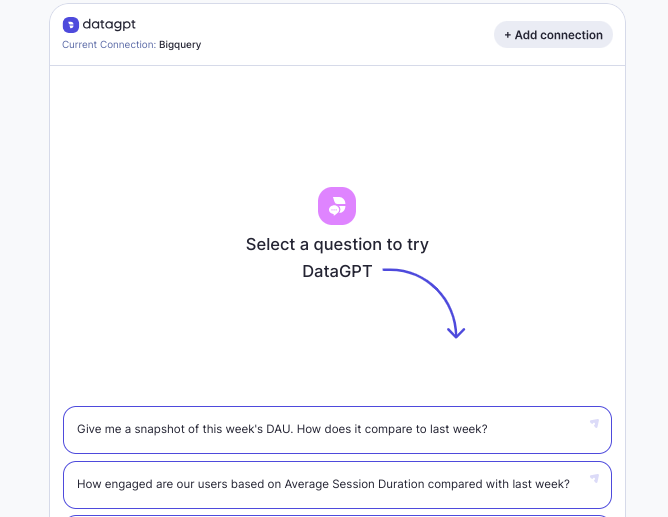
The unique difference from other BI tools lies in the fact that users of DataGPT have the ability to ask a chatbot to answer specific questions regarding the data without having to look within the numbers themselves.
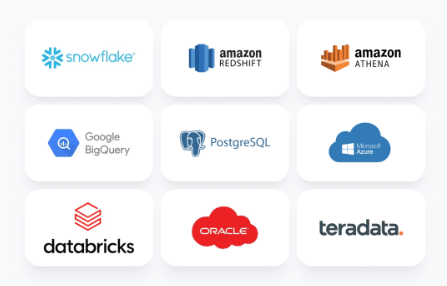
Right now, it already offers many famous data sources like Google BigQuery, AWS Redshift or Snowflake[1].
What are the benefits?
DataGPT claims to offer several benefits for their users. Firstly, they claim that the algorithm shows instant results without having to wait for a long period of time.
Another benefit is the user-friendly interface of the dashboard. It makes it easy for users to create their own dashboards. So even users with little or no experience in data analysis can fulfill this task easily. In this regard, the whole interaction with this solution is supposed to be very easy. Users don’t have to make use of complicated terminology or formulas in order to gain insights into their data. They just simply have to use the chatbot to get to their results[1][2].
Lastly, DataGPT can help saving valuable monetary assets, since companies no longer have to hire data experts for their analysis, but rather anyone within the organisation can create useful reports and analyses from the data[1].
Summary
All in all, DataGPT has created a very valuable solution in regards of data analysis with the help of AI. When used correctly, this technology offers companies an efficient way of analyzing their data without high costs and efforts.
Sources and Further Readings
[1] DataGPT (2023)
[2] VentureBeat, DataGPT launches AI analyst to allow ‘any company to talk directly to their data’ (2023)