
Interweaving Threads of Humanity: Understanding the Complex Nature of Behaviour, Morality, and Perception
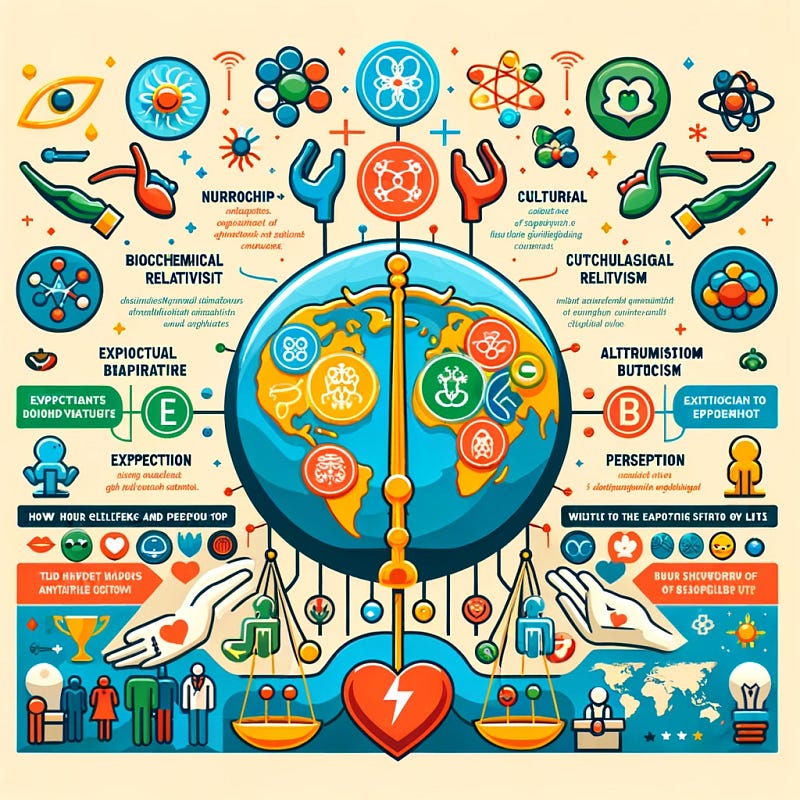
The interplay of biochemical, psychological, cultural, and perceptual dimensions significantly shapes human actions and moral judgments, forming a complex matrix that influences individual and collective behaviour. This intricate amalgamation not only impacts how people perceive and engage with their environment but also dictates the moral frameworks societies uphold. Central to grasping this multifaceted interaction is the acknowledgment that our genetic framework, societal influences, ethical beliefs, both individual and shared, along with cognitive processes, are intricately woven together. These factors are fundamental in guiding interpersonal relationships and nurturing a society that prizes empathy and moral integrity.
Foundations of Human Behaviour: Biochemical and Cognitive Insights
Biochemistry’s Role in Emotional and Cognitive States
The biochemical landscape of the human brain, marked by neurotransmitters and hormones, lays the groundwork for our emotional and motivational states. Substances such as serotonin, dopamine, and cortisol play key roles in modulating a spectrum of emotional experiences, from joy and satisfaction to anxiety and stress, underscoring the critical impact of biochemical processes on daily life.
Cognitive Theories and Behavioural Patterns
Insights from cognitive theories, particularly cognitive-behavioural frameworks, elucidate the interconnectedness of thoughts, emotions, and behaviours. These theories highlight how cognitive patterns significantly influence emotional states and actions, suggesting avenues for transformation through thought and behavioural modification.
Learning and Adaptation Through Neuroplasticity
The concept of neuroplasticity, the brain’s capacity to forge new connections, underscores the fluid nature of learning and behavioral adaptation. This flexibility is key to understanding habit formation, highlighting how repetitive actions and thoughts fortify neural pathways, steering future behaviours.
Morality Through a Cultural Prism
Cultural Relativism Explained
Cultural relativism presents the idea that moral values and practices are deeply embedded in cultural contexts, questioning the existence of absolute moral standards. This perspective fosters a more nuanced appreciation of varied moral systems, acknowledging the profound impact of cultural heritage on moral reasoning.
Moral Diversity Across Cultures
Exploring moral norms and practices across cultures unveils a diverse ethical landscape, influenced by historical, environmental, and social dynamics. This diversity calls for cultural empathy in the ethical discourse, emphasising the value of understanding over judgment.
Reevaluating Cultural Relativism
Despite its advocacy for tolerance and empathy, cultural relativism faces scrutiny, especially regarding the risk of moral relativism and the pursuit of universal ethical standards. Addressing these critiques necessitates a delicate balance, respecting cultural diversity while exploring shared ethical foundations.
The Essence and Impact of Altruism
Defining Altruism
Altruism, the principle of selflessly caring for others’ well-being, is a testament to the human capacity for compassion and empathy. This universal principle transcends cultural and religious barriers, showcasing a shared potential for benevolent action.
Altruism Applied
Instances of altruism in action reveal its profound ability to positively transform individuals and communities. Such acts, ranging from simple kindness to extensive philanthropy, underscore the power of selfless service in promoting societal well-being.
The Rewards of Selfless Acts
The emotional and societal benefits of altruism are well established, indicating that acts of kindness enrich not only the recipients but also the benefactors, fostering emotional well-being and stronger community bonds.
The Dynamics of Expectation and Perception
Navigating Between Expectation and Perception
The intricate dance between expectation and perception profoundly shapes our experiences and overall satisfaction with life. Expectations often influence our perceptions, leading to a gap between what is anticipated and the reality experienced.
Insights on Expectation’s Influence
Research into how expectations shape sensory perception and satisfaction sheds light on the complex relationship between our presuppositions and our interpretations of the world, highlighting the intricacy of human perception.
Practical Implications
Understanding the interaction between expectation and perception can enhance our experiences and interpersonal relationships. Adjusting expectations, particularly in social interactions and personal aspirations, can amplify our appreciation of the moment and overall life satisfaction.
Ethical Behaviour and Expectations
The Ethical Weight of Expectations
Expectations significantly mold our ethical decisions and interactions, influencing how we discern right from wrong and navigate moral dilemmas and interpersonal dynamics.
Harmonising Expectations with Benevolence
Balancing personal expectations with altruistic intentions is crucial for ethical conduct. Modulating expectations can sharpen our focus on others’ needs, fostering a more empathetic and compassionate approach to service.
Fostering Empathy Through Adjusted Expectations
Lowering expectations can heighten our sensitivity to others’ perspectives and needs, deepening relationships and enriching interpersonal interactions, essential for ethical decision-making and fostering mutual respect and understanding.
Concluding Insights
The amalgamation of biochemical and cognitive processes, cultural perspectives, altruism, and the interplay between expectation and perception provides a holistic understanding of the forces shaping human behaviour and morality. This exploration highlights the significance of adaptability and awareness in navigating human complexity. By integrating these insights, we can bolster our personal well-being, enrich our relationships, and contribute to a more empathetic and morally grounded society.
Epilogue
Delving into the complex realms of human behaviour, ethics, and perception unveils the intricate and multifaceted nature of our existence and societal structures. This discourse aims to equip readers with a deeper understanding of the interwoven influences of our genetic makeup, cognitive dynamics, cultural backgrounds, and ethical frameworks on our interactions. Through this exploration, we are encouraged to recognise the importance of empathy, understanding, and ethical conduct in cultivating a peaceful and compassionate world, prompting each of us to reflect on our actions and strive toward a more considerate and caring society.


