
The Intersections Of Our Identities — The Tree of Anxiety
And its roots & branches of our various aspects of life
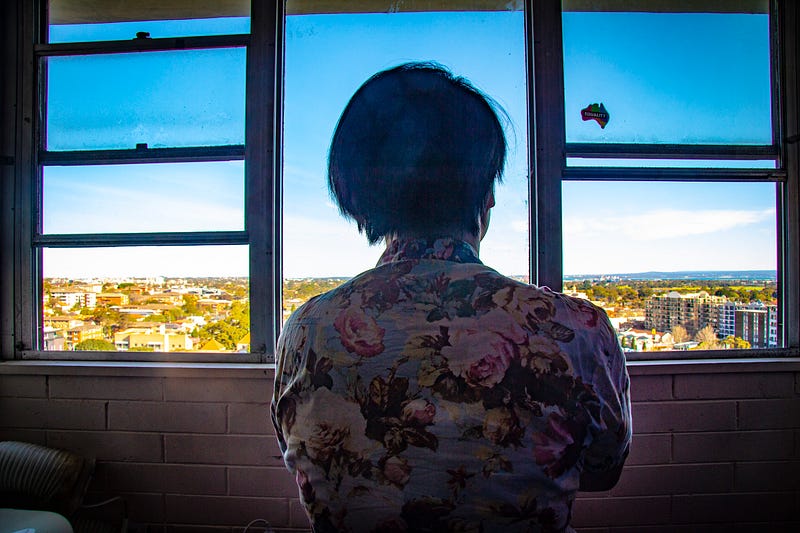
“I’m an international student, and I’m also from a country where even the subject of mental health is still a taboo… to the majority of the people, including my family members”.
In 2016, Cyr’s (name changed for identity protection) life changed when Cyr became an International Student studying in Australia. A lot of firsts and many revelations opened up when she started to live independently here. Not only does Cyr finally have an independent agency in talking about identity in an environment that is more readily supportive of her authentic self as a queer person. She was also finally able to receive help with a mental health issue that was previously not acknowledged back when she was in Indonesia.
Cyr’s religious beliefs and the cultural background had initially put her faith in religion at odds with acknowledging her true-authentic self. Overall, Cyr seems to in general, feel at odds with what is expected from the society. Yet somehow, she didn’t truly recognise the extent of her mental health and identity issues until she moved to Australia. Compared to back home, Australia has more readily available facilities and outreach for psychological services, even for international students like her.
For the first time ever, Cyr was able to heal in many regards and aspects of her life.
Cyr has always felt very different from everyone else not just because Cyr identifies as a non-gender binary person, not just as a bisexual/pansexual person. Not just as a multi-ethnic person from Indonesia, but also as an individual who has been struggling with managing expectations of people because of anxiety disorder. It does not help that, family and social expectations back home, to be a successful and respected person in there can often come at a cost of abandoning individual core values and mental well being.
Currently Cyr’s anxiety is further aggravated by the uncertainty of her future in Australia once she finishes her degree. She does not feel safe in Indonesia as a queer person. She also will not have the access to help and support for her mental health therapy like she does here.
As an avid planner and organiser, this is her worst nightmare coming true. She has already comprehensively mapped her career and life path on paper.
There do exist online communities back home that can help Cyr with mental health support, and there are sizeable Queer/LGBT communities and supportive organisations in major cities that she can always reach out if she was forced to go back. But she would much prefer to be able to live in a society where authenticity is embraced out in the open, and that there are more readily available access to receive ongoing support for the mental health struggle she still needs to work on everyday.
Cyr has always been academically gifted growing up. She always strived for success and hated the idea of disappointing other people around. To this day, Cyr carries through this spirit of excellence in building a career path that she wanted to pursue — as a facilitator and translator for nonprofits and social work organisations.
Cyr has also excelled in public speaking at school during competitions and public representation. This carried on later in life especially during her activism demonstrations and advocating for Marriage Equality rights, Refugee rights, Indigenous Peoples rights, International student rights, and Mental Health advocacy. Yet, when outside of these realms, she suffers from chronic shyness and it takes her a significant amount of mental energy and effort to actually reach out and speak to others during normal and situational conversations we take for granted every day.
“If I tell people that I have anxiety, people will be surprised. People only see what’s on the outside (as a confident person)… If I am completely honest and share my struggles, we don’t know whether people will understand, or (whether) they will be judgemental.”
Her struggle with anxiety disorder made her drop a component of her degree. Cyr was receiving offers for mentor-ship from the teachers and other professionals, however, her anxiety attacks when she was placed in a pracical working environment where she has to deal with a lot of people. Cyr can’t even talk to the family as to why she dropped part of the component of her degree. The shame spiral and their lack of understanding of her personal issues is too much for her. She blamed the self for not recognising these anxiety disorder symptoms much sooner in life.
Cyr’s current support network are primarily from friends and professionals.
The only family member she feels any support from is the older sister whom she’s living with. Her sister accepts that Cyr as a person of non-binary gender and a queer. However, her sister struggles to understand how and why Cyr’s anxiety disorder is inextricably intertwined with the challenges of her multiple identities.
This lack of awareness is nothing to do with Cyr’s sister wilful ignorance on the topic. Rather, can be pegged to the family’s conservative christian background and the upper-middle-class circles they grew up in.
The social discussions generally tend to discuss money, success, wealth, and social classes rather than diverse identities, cultures, and the need for authenticity.
Despite coming from a “well off” family background and having educated, modern parents who held very important career positions, and extended family still suffer from a lack of awareness and subsequent stigma towards Mental Health disorders. Cyr believes that the stigma is an overarching cultural norm that permeates through all level of societies back home, and that change in the perceptions around mental health issues, in general, will come through very slowly.
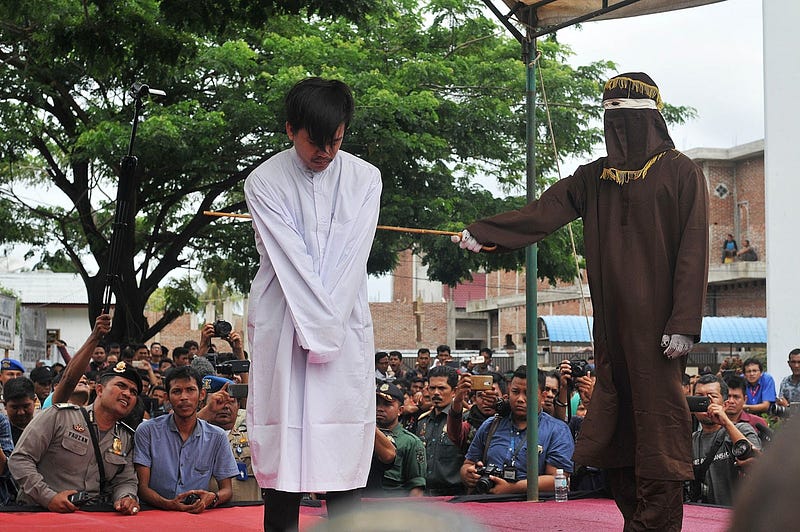
“If you live in the rural area… they’ll send you to… a religious shaman… If you have a mental disorder, or if you are queer or something like that,…you must be possessed by a kind of demon…”
A lot of people often failed at understanding that Spirituality and Religiosity are mutually exclusive, and how people who are religious claim that these two concepts are inextricably intertwined.
Funnily enough Cyr didn’t learn of how diverse the spectrum of acceptance Indonesia has, until she had moved out of the country
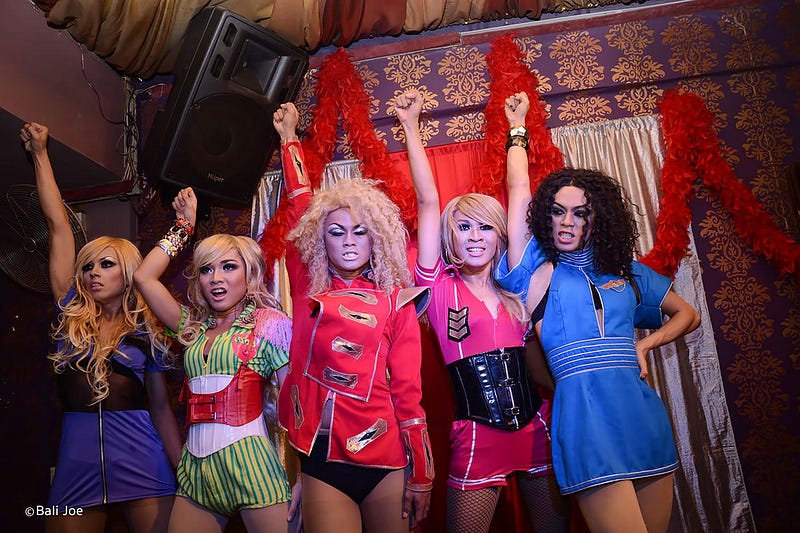
Historically, the indigenous Bugis people of South Sulawesi, Indonesia (the province Cyr was born in) recognise 5 different genders in their local community, each genders serving different roles in their society. Their culture recognises a non-binary person like Cyr, who often serve roles as mediators (like Shamans, Sorcerers and so on) between our world and the spiritual world. A cultural convention that often surprises locals and foreigners alike.
Cyr says that she considers herself to be quite a “lucky” person relative to many others back home
Cyr acknowledges that her fluent English skills ability has been an advantage in getting the help needed and psychological support. Her fluency in English is attributed to her family who seem to always surrounded by networks of expats and English fluent professionals in her environment.
Furthermore, her family’s “comfortable” material status, access to private international schooling, and English language information from cable television and Internet growing up are some more factors as to why she was able to easily feel at home in Australian society.
Cyr is also very grateful to have had many opportunities to develop independent identities growing up. Her parents never restricted Cyr’s choices in fashion, career, and other interests such as PC Gaming, Social advocacy, etc.

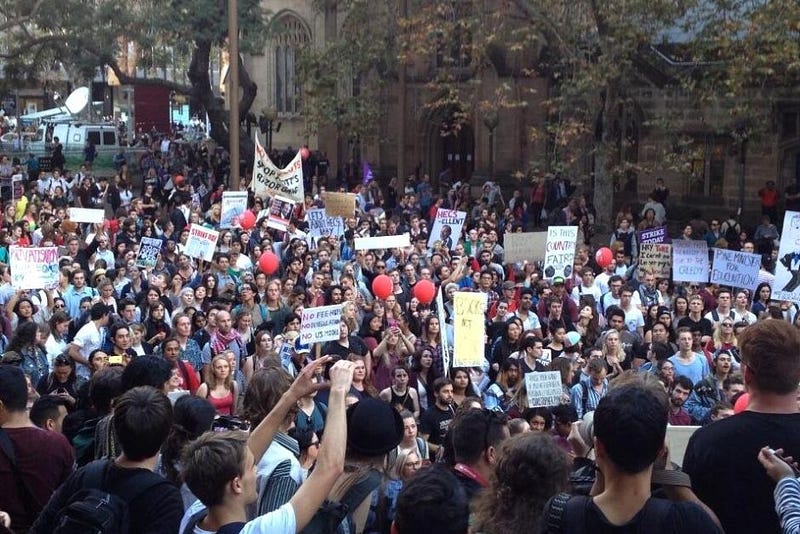
She has a relatively open minded and supportive network of siblings, friends and professional networks, in both Indonesia and Australia. These supportive networks eventually lead her to find a church community that is accepting of the Queer and other progressive identities here.
She was finally able to consolidate the conflicting expectations and conventions within her identities.
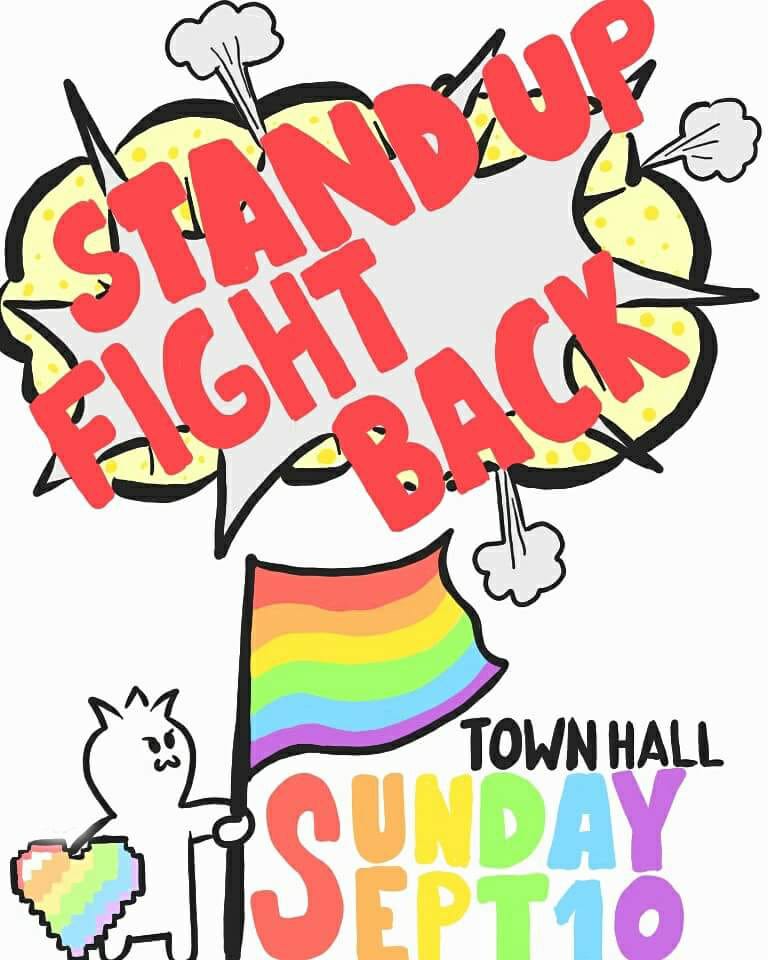
One quote that really sticks out for her, comes from of the interfaith panel in her campus, lead by Tiernan Brady who was touring around Australia for the Marriage Equality Campaign.
“In order to start your journey, you have to be really honest with yourself. This will involve speaking up… start a conversation where… I am vulnerable and speak up”
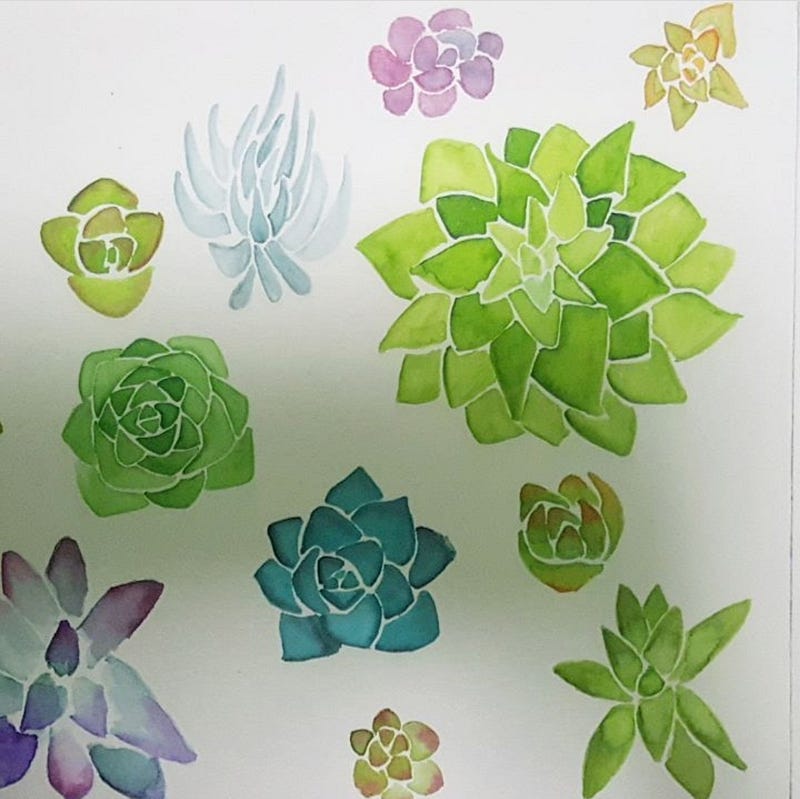
Cyr roughly sees her anxiety disorder as a tree. It’s roots and branches are the elements of life challenges that nourish it.
Whether it is her struggle of being a queer person, being an international student and not having full access to her mental health plan, being invisible as an Asian migrant in a predominantly Anglo Saxon spaces, being misunderstood by her family, or facing an uncertain future of her stay in Australia, Cyr knows that life is not perfect but can be worked upon.
In retrospect, Cyr recognises that her involvement in the various groups of social activism and social advocacy in Australia is motivated beyond the interest in reconciling the personal struggles she was facing. She is acutely aware of the many intersections of identities can have. This has made her empathise with others who are struggling to get validation and justice.
Cyr really sees herself in others and their struggles with negotiating various aspects of identity.
Cyr also wants to remind us that we need to be kind to ourselves. Invest in our own well being because it’s really worthwhile to heal and maintain our mental health stability in order for us to be more fruitful and productive for our lives. If we ignore this, we might risk burning ourselves out. Creating further setbacks from the path of recovery.
Cyr wishes that all of us would be more considerate of others and not afraid to give more compassion, because we never know what’s lies hidden beyond the faces we put up when we interact with one another. Some might appear happy and confident, but internally, they might be struggling with authenticity of identity or mental health issues and so on.
This can truly be some of the hardest lessons we learn in our lives, especially when it comes to loving someone…
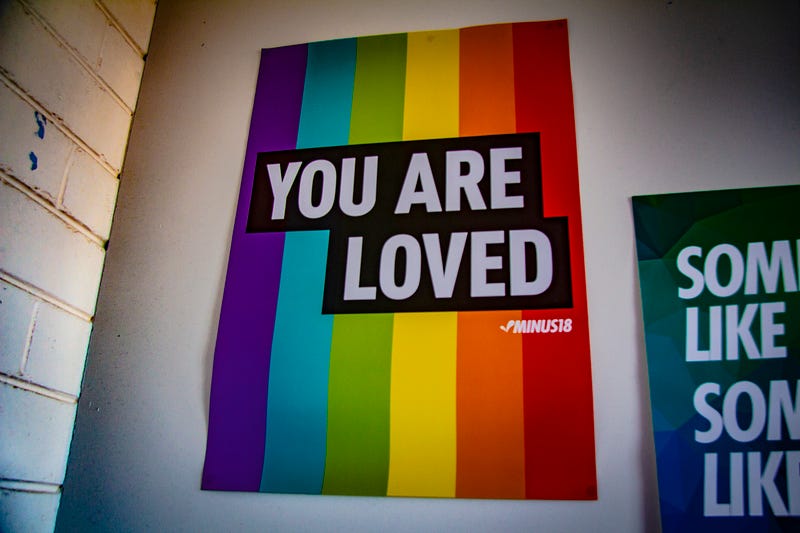
In recognising her unique experiences and challenges. Cyr recently took an interest in being a Youth mentor for her church, guiding teens and young adults of faith. She hopes that in the future, she can be in a position where she can open up more paths for many people who are struggling with identities and its complex intersections in people’s lives. Especially those who are coming of age and have to deal with mental health and identity issues themselves.
Her story reminds for all of us to be able to better listen others. Not in terms of just being visibly responsive, but to also actually deeply acknowledge one another. Her resilience and the courage she has in embracing vulnerability, revealing her authentic self, and her ability to give so much compassion at the same time, is deeply inspiring.
At the end of the day, all of us are multifaceted beings. None of us are just one thing. We all know that once we start to piece the complex puzzle of our identities together, we can then start to truly appreciate and learn from one another.
— This article acknowledges the Traditional Owners of this land, the Darug people where this article was written.