
International Women’s Day
A tip of the hat to the women of the world.
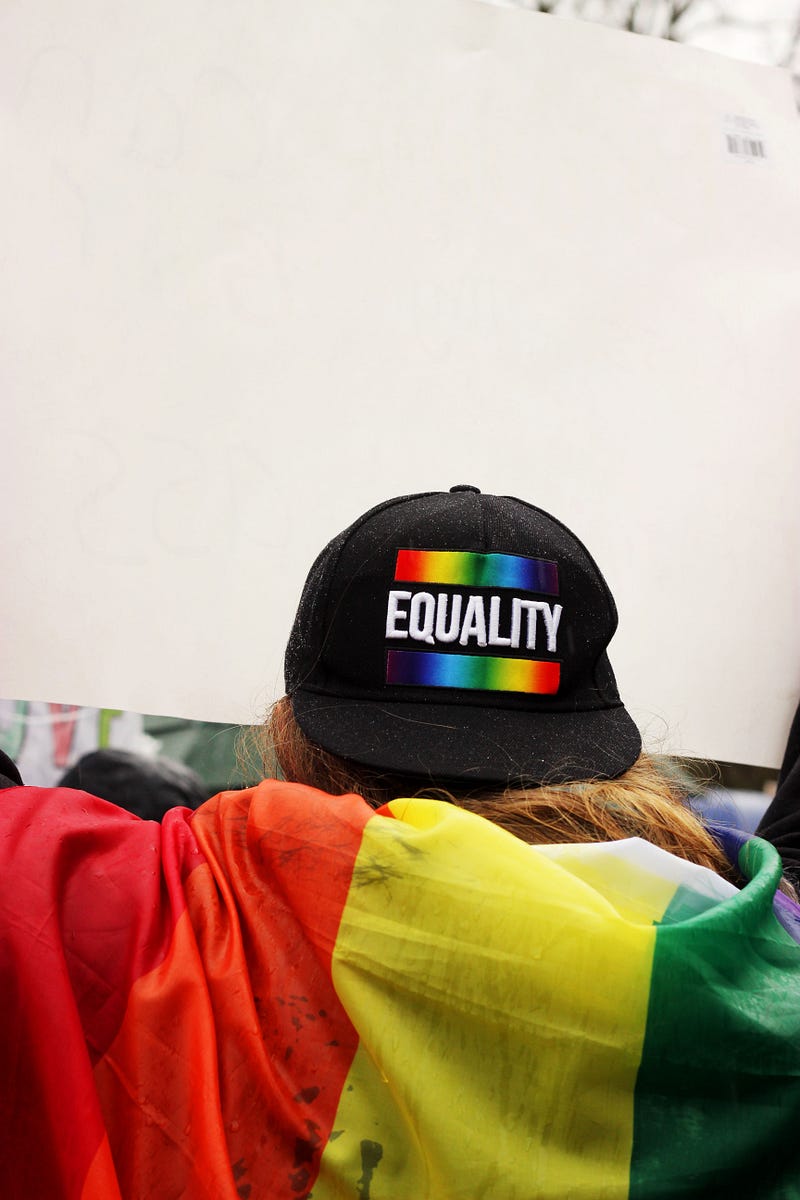
Today, March 8, 2023, is International Women’s Day. What does that mean? Obviously, it means different things to different people. In “An illustrated celebration of women around the world,” The Washington Post for today reports that Yulia Vus of Lviv, Ukraine, is “constantly inspired by the women around her.” Some are soldiers, others are paramedics, and many volunteers, they all do what they can to support the war effort.
Fahim Alavi of Tehran; based in The Netherlands draws an Angel cutting her long black hair and protests against government misogyny in the “Islamic Discrimination Republic.”
Sara Barackzay of Herat, Afghanistan, based in Vancouver, writes that although she “was desperate to survive and achieve her own goals, she could not let the next generation of Afghan girls be left behind.”
In the United States, this year marks the 103rd anniversary of the ratification of the Nineteenth Amendment to the Constitution, which granted women the right to vote. Since the ratification, women have gained power and even become a determining factor in local, state, and national politics.
However, the church, through the exclusion of women from positions of leadership, has fostered the notion that women are second-class people. The Catholic church, in particular, by excluding women from the priesthood, continues to support that notion. Perhaps they justify this by noting that Jesus called only men to be in his inner circle of disciples even though women were a major factor in allowing him and his disciples to do their work by providing for them out of their own resources.
Some congregations welcome women pastors. St. Andrew’s Lutheran Church, a large congregation of the ELCA (Evangelical Lutheran Church in America) in Mahtomedi, Minnesota, currently has 3 women and 4 men in pastoral leadership positions. A nearby United Church of Christ (UCC) congregation has a woman as their only pastor.
While women now have many significant opportunities in the United States, their pay averages just 82% of what men are paid. And the pay gap hasn’t changed much in the past 20 years. In 2002 women took home paychecks that averaged 80% of their male counterparts.
According to the Bureau of Labor Statistics, in 2019, 57% of women participated in the workforce. For men, that figure is 69%.
According to the same report, the educational attainment of women in the workforce has improved. In 1970, just 11 percent had a bachelor’s degree or higher while in 2019, 45% of women did.
Furthermore, in 2019, 52% of workers employed in management, professional, and related occupations were women. 89% of nurses are women, and 80% of elementary and middle school teaching jobs are held by women.
This year, more than 10% of Fortune 500 companies have women CEOs. Across the country, 8% of CEOs are women.
According to the Pew Research Center, the 118th Congress, the 440-member House has 128 women or 29% of women. The 100-member Senate has 25 women. Women have come a long way in gaining a foothold in Congress since the first woman, Jeannette Rankin (R-MT), was elected to the House in 1916.
So, women are making gains in the workforce, have achieved more education, and hold many of the professional and management level jobs in this country, and many have risen to the top jobs in corporate America, and they’ve been elected to Congress in increasing numbers.
Still, women have a ways to go to achieve true equity with men in our society. This reminds me of a joke:
An older lady says to a younger one, “Why would you want equity dear when you already have a superior position?”
Happy International Women’s Day.
I’m hoping that next year the numbers will be even better for women. Who knows, next year we may even elect a woman President.
As I conclude this article, I wonder if it is just a coincidence that today is also the day our Indian friends celebrate Holi, a festive day of joy and colors that ushers in Spring. Maybe we can include the celebration of women and their achievements in those festivities.
Happy Reading, Writing, Responding, and Celebrating Women, Dear Friends.