avatarAttila Vágó

Free AI web copilot to create summaries, insights and extended knowledge, download it at here

3432

Abstract

ttps://levelup.gitconnected.com/a-pragmatic-developers-thoughts-on-apple-s-2021-macbook-pro-189d41cb8ed8"> <div> <div> <h2>A Pragmatic Developer’s Thoughts On Apple’s 2021 MacBook Pro</h2> <div><h3>Let’s get something out of the way right now. I love Apple products, and for the most part, I love the general Apple…</h3></div> <div><p>levelup.gitconnected.com</p></div> </div> <div> <div style="background-image: url(https://miro.readmedium.com/v2/resize:fit:320/1*Il4oou5mhWBCtifz_JGQTw.jpeg)"></div> </div> </div> </a> </div><p id="73be">As the reviews started trickling in, and I started using the M1 Pro and comparing with experiences of others on the M1 Max, my feelings were pretty much confirmed. The overwhelming majority of reviewers loved the Max, but admitted that <b>barely anyone ever needs that amount of speed and power</b> in a consumer computer used by either average Joes or professionals. Sure, it exports videos a tad faster and is able to go through 8K footage like it’s nothing, but the percentage of customers who even care about that is already very low. Those who require it, is even lower.</p><p id="8fa0">Which brings me back to my initial point. While Intel seems to have successfully dodged their own demise, they’re not competing where they should, and where frankly all SOC and CPU manufacturers should — power-consumption. Now I have my theory of where Apple might go.</p><div id="c8ad" class="link-block"> <a href="https://readmedium.com/is-apple-about-to-chase-itself-into-a-corner-with-their-new-chips-3fced86b48e3"> <div> <div> <h2>Is Apple About To Chase Itself Into A Corner With Their New Chips?</h2> <div><h3>It’s either that, or we’re about to see 100-hour battery life on a laptop!</h3></div> <div><p>medium.com</p></div> </div> <div> <div style="background-image: url(https://miro.readmedium.com/v2/resize:fit:320/0*47qLseA0BwDApMty)"></div> </div> </div> </a> </div><p id="7940">But looking at Intel’s response to the M1 Max it’s quite clear that the war is on again on the speed front, just like it was in the MHz era, the multicore era, the multi-thread era, and now in the nanometer era. Intel — and I expect AMD to foolishly follow suit along with everyone else — instead of launching a laptop CPU that is just the same speed as the M1 Max, at a lower power consumption, they chose to do the opposite, overtake by speed and consumption. By a lot! The problem is, nobody asked for it. Gamers’ wet dreams are insane GPUs, content creators already have the M1 Max in case they’re hell-bent on finishing that export 1 minute earlier. Non-Mac users would have been just as proud to own something on par with it in a lightweight, portable yet powerful PC.</p><figure id="a304"><img src="https://cdn-images-1.readmedium.com/v2/resize:fit:800/0*IpCt_hcGwbF6pAD9"><figcaption>Photo by <a href="https://unsplash.com/@kmuza?utm_source=medium&amp;utm_medium=referral">Carlos Muza</a> on <a href="https://unsplash.com?utm_source=medium&amp;utm_medium=referral">Unsplash</a></figcaption></figure><p id="20e9">Traditionally, and on paper companies long before archit

Options

ecting and building a product, are supposed to do some market research. Ultimately, there’s no point spending tons of cash on products that nobody, or a small niche of users, want. Intel is certainly not in the small-batch special order CPU type of business. Taking that into account and the reality that we live in a world where slow computers don’t really exist any more like they did in the past, I call it bull. <b>I don’t believe for a second that there is any data supporting the need for a power-hungry clinically insane laptop CPU on the market</b>, just like there isn’t much or any for the release of the M1 Max.</p><p id="b28f">How do I know that? The current M1 Pro is currently on par and above the iMac Pro, and is also able to deliver similar performance to a Mac Pro (though not maxed out). Both these machines are desktop computers, which means desktop-level performance was brought to Pro laptops, which makes the M1 Max, the i9–12900HK and everything in that range something that nobody really asked for. This, of course, would be a very different conclusion if Intel or Apple announced they’re not planning to create desktop SOCs and CPUs. That is not the case, however.</p><figure id="7ec9"><img src="https://cdn-images-1.readmedium.com/v2/resize:fit:800/0*6Tfw4YQjxIXc8bzx"><figcaption>Photo by <a href="https://unsplash.com/@giorgiotrovato?utm_source=medium&amp;utm_medium=referral">Giorgio Trovato</a> on <a href="https://unsplash.com?utm_source=medium&amp;utm_medium=referral">Unsplash</a></figcaption></figure><p id="92f0">While Intel undoubtedly wins by sheer numbers, and will probably continue to do so plenty more times, its efforts together with every other processor manufacturer are simply impractical. Instead of focusing on enabling laptops to truly stay mobile, have ultra-low power consumption while delivering pro level performance and head in a consumer and planet friendly direction, they chose yet again to play the big numbers game. In a sense, it’s Apple’s fault. They triggered the race with the M1, then started flexing their muscles with the M1 Max a year later.</p><p id="533a">This year would have been the perfect moment to start playing another game, <b>a new game where we acknowledge that every laptop we plug in has an effect on our planet</b>, every CPU that runs hot, makes the planet just a little hotter too and every processor we build that 99% of users will never need, is a 99% waste. Well done, Intel for being the least environmentally friendly silicon manufacturer for the umpteenth time in a row! Now this… This was sarcasm! 😈</p><figure id="04b7"><img src="https://cdn-images-1.readmedium.com/v2/resize:fit:800/0*ABEljd1Nk6HiBpte"><figcaption>Photo by <a href="https://unsplash.com/@markusspiske?utm_source=medium&amp;utm_medium=referral">Markus Spiske</a> on <a href="https://unsplash.com?utm_source=medium&amp;utm_medium=referral">Unsplash</a></figcaption></figure><p id="c3bf"><i>Did you know that whenever you <a href="https://attilavago.medium.com/membership">subscribe to become a Medium Member</a>, us writers, get a cut? You get a ton of great articles, we get a coffee. Sounds like a fair deal to me…</i></p><p id="84df"><b>Attila Vago</b><i>Sr. Software Engineer building amazing ed-tech software. Cool nerd since forever, writer of codes and blogs. Web accessibility advocate, Lego fan, vinyl record collector. Loves craft beer!</i></p></article></body>

Intel Wins Again. Big-time!

i9–12900HK Alder Lake — the fastest, the most power-hungry and hottest laptop CPU ever, but who the heck is it for?!?
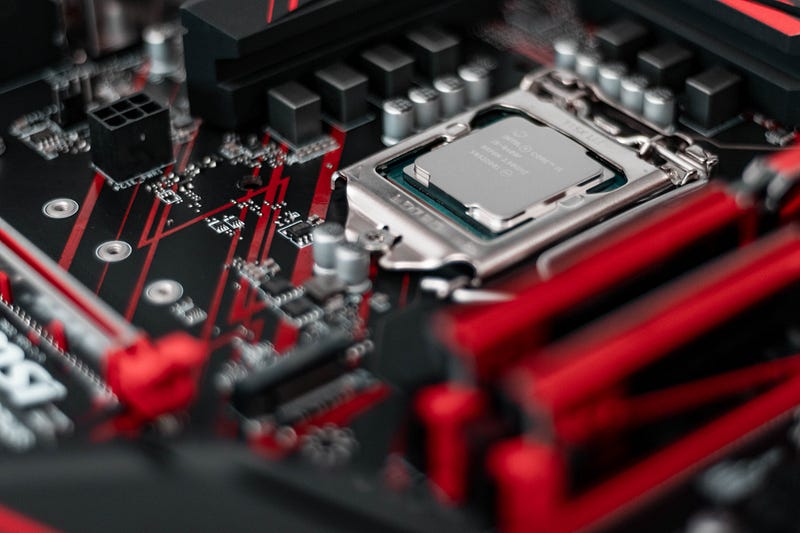
Photo by Christian Wiediger on Unsplash

And the grand prize for the most insane laptop CPU ever goes to… Well, no, not to Apple. It goes to Intel. Look. This is a game that lately seems like only Intel likes to play, so we give them the award for doing the insane and releasing exactly what we knew they would — a really fast, really power-hungry, really hot CPU that turns your laptop into a military drone capable of melting your machine into a puddle of solder and plastic was it not for built-in self-protection just in case your fans go bust for whatever reason like too much hot air, or running constantly.

I know that my sarcastic tone might suggest, I’m here to bash Intel yet again. Sure, I called their previous variant of the Alder Lake CPU an environmental disaster, and I stand by it. I also stand by my promise of congratulating them for building the fastest CPU ever in a laptop. That is not sarcasm. It’s a genuine, raise my hat, kudos folks moment.

If nothing else, Intel is doing something to keep itself relevant and give Apple, AMD and everyone else a run for their money, and perhaps bring back competition. I genuinely think if Intel was sleeping at the wheel until last year, the rude awakening has happened, and they’re finally in the “let’s not steer this ship into an iceberg” mental state.
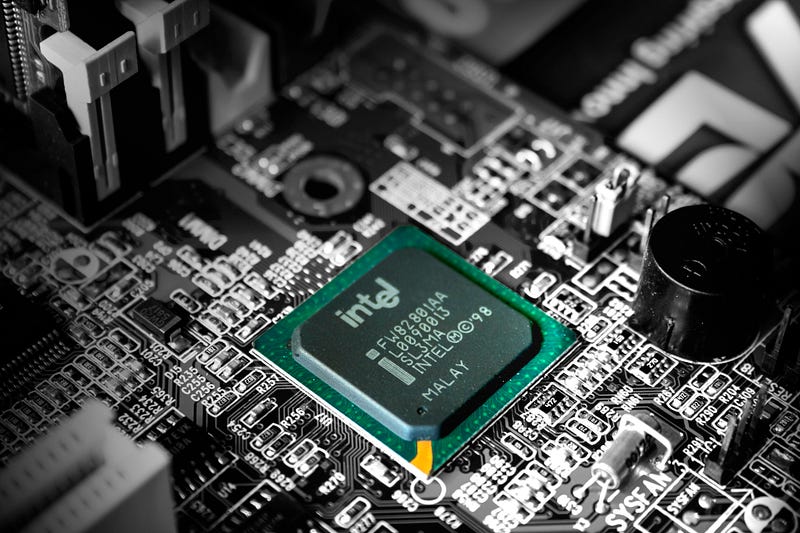
Photo by Slejven Djurakovic on Unsplash

Except it feels like they’re doing it without a compass, and I have good reasons to believe that. On paper, the i9–12900HK, in terms of capabilities and even power efficiency, beats everything out there already in a laptop. Even the M1 Max. While most at first look would not see any problem with that, I do.

When the M1 Max launched, regardless of its impressive speed and low power-consumption, I was left with a weird feeling that the Max was nothing more than a muscle-flexing exercise.

As the reviews started trickling in, and I started using the M1 Pro and comparing with experiences of others on the M1 Max, my feelings were pretty much confirmed. The overwhelming majority of reviewers loved the Max, but admitted that barely anyone ever needs that amount of speed and power in a consumer computer used by either average Joes or professionals. Sure, it exports videos a tad faster and is able to go through 8K footage like it’s nothing, but the percentage of customers who even care about that is already very low. Those who require it, is even lower.

Which brings me back to my initial point. While Intel seems to have successfully dodged their own demise, they’re not competing where they should, and where frankly all SOC and CPU manufacturers should — power-consumption. Now I have my theory of where Apple might go.

But looking at Intel’s response to the M1 Max it’s quite clear that the war is on again on the speed front, just like it was in the MHz era, the multicore era, the multi-thread era, and now in the nanometer era. Intel — and I expect AMD to foolishly follow suit along with everyone else — instead of launching a laptop CPU that is just the same speed as the M1 Max, at a lower power consumption, they chose to do the opposite, overtake by speed and consumption. By a lot! The problem is, nobody asked for it. Gamers’ wet dreams are insane GPUs, content creators already have the M1 Max in case they’re hell-bent on finishing that export 1 minute earlier. Non-Mac users would have been just as proud to own something on par with it in a lightweight, portable yet powerful PC.

Photo by Carlos Muza on Unsplash

Traditionally, and on paper companies long before architecting and building a product, are supposed to do some market research. Ultimately, there’s no point spending tons of cash on products that nobody, or a small niche of users, want. Intel is certainly not in the small-batch special order CPU type of business. Taking that into account and the reality that we live in a world where slow computers don’t really exist any more like they did in the past, I call it bull. I don’t believe for a second that there is any data supporting the need for a power-hungry clinically insane laptop CPU on the market, just like there isn’t much or any for the release of the M1 Max.

How do I know that? The current M1 Pro is currently on par and above the iMac Pro, and is also able to deliver similar performance to a Mac Pro (though not maxed out). Both these machines are desktop computers, which means desktop-level performance was brought to Pro laptops, which makes the M1 Max, the i9–12900HK and everything in that range something that nobody really asked for. This, of course, would be a very different conclusion if Intel or Apple announced they’re not planning to create desktop SOCs and CPUs. That is not the case, however.

Photo by Giorgio Trovato on Unsplash

While Intel undoubtedly wins by sheer numbers, and will probably continue to do so plenty more times, its efforts together with every other processor manufacturer are simply impractical. Instead of focusing on enabling laptops to truly stay mobile, have ultra-low power consumption while delivering pro level performance and head in a consumer and planet friendly direction, they chose yet again to play the big numbers game. In a sense, it’s Apple’s fault. They triggered the race with the M1, then started flexing their muscles with the M1 Max a year later.

This year would have been the perfect moment to start playing another game, a new game where we acknowledge that every laptop we plug in has an effect on our planet, every CPU that runs hot, makes the planet just a little hotter too and every processor we build that 99% of users will never need, is a 99% waste. Well done, Intel for being the least environmentally friendly silicon manufacturer for the umpteenth time in a row! Now this… This was sarcasm! 😈

Photo by Markus Spiske on Unsplash

Did you know that whenever you subscribe to become a Medium Member, us writers, get a cut? You get a ton of great articles, we get a coffee. Sounds like a fair deal to me…

Attila VagoSr. Software Engineer building amazing ed-tech software. Cool nerd since forever, writer of codes and blogs. Web accessibility advocate, Lego fan, vinyl record collector. Loves craft beer!

Intel
Apple
Technology
Computers
Environment
Recommended from ReadMedium
avatarHistory, philosophy, politics, culture, John
Putin’s attitude suddenly changed

Putin’s attitude suddenly changed.

4 min read