
Insights from a German Organization of Nature Conservation
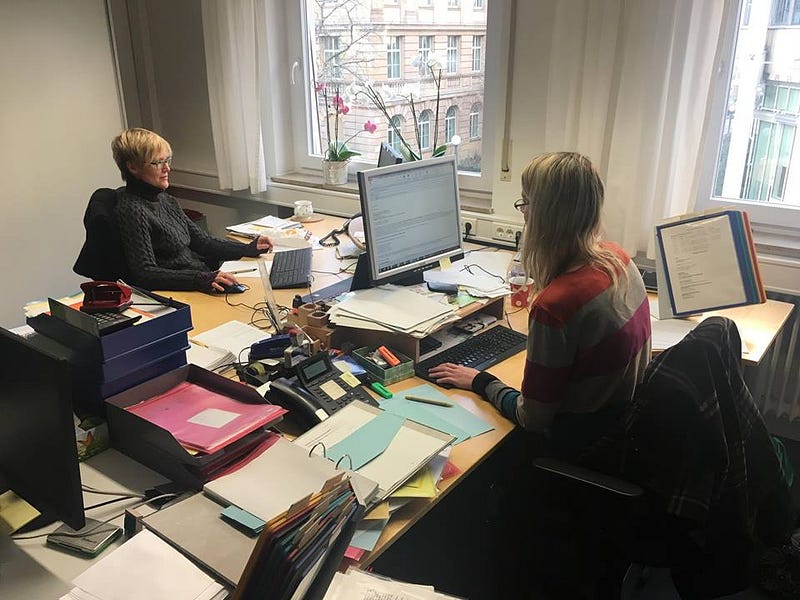
The Landesnaturschutzverband Baden-Württemberg e.V. (LNV)
In Baden-Württemberg, one of the 16 states of Germany, there are 3 large nature conservation organizations: the BUND, the NABU and the LNV. LNV is an umbrella organization with 33 member organizations including nature conservation organization, fishing, hunting and hiking organizations.
« Sometimes there are conflicts between free time activities like mountain biking, climbing, diving and nature conservation. The LNV tries to find solutions together with all stakeholders. Nature conservation is successful only when it follows the principle “use it or lose it”. For this reason, it has to provide benefits to everybody, otherwise it is not effective in the long run. » explained Gerhard Brönner, director of the LNV in Baden-Württemberg.
Since those associations have different opinions and ideas, the LNV mediated the creation of agreements consisting of position papers signed by the 33 organizations. Furthermore, position papers are important for county working groups because volunteers use it as a directing line for their work. Dr. Brönner deplored the recent difficulty to find new volunteers:
« Most of the work is done by volunteers, that is why it is essential for us to find dedicated people. Sometimes we have the chance to be in contact with relevant persons and try to get them to volunteer at the LNV, retired public servant for instance. At the moment, we have difficulties to engage young people in nature conservation. I guess it’s due to new technology distractions, a lack of commitment or a change in generation mindset and interests. »
With so many different stakeholders it takes a long time and effort to develop a common position paper — the last one took about 1 year to write. LNV was facing difficulties with a hunting regulation, but it finally found an agreement pleasing everybody. Some of these positions are very sensible and if one of the member organization has a different opinion it cannot speak about it in the name of the LNV, it must stay in a “grey zone” with its own opinion. However, most of the time the 33 organizations cooperate and stay united to defend their view in front of the politicians.
Budget, funding and subventions…
LNV is mainly financed by the local state subventions and organization membership fees.
« The state budget varies and has to be approved annually, it is rarely sufficient. » complained Dr. Brönner.
Each of the 33 organizations belonging to LNV pay a membership fee based on their size, number of individuals in the organization. Usually only NGOs can be member, nonetheless individuals can support the LNV by paying an annual membership fee of 300€.
« Those supporting individual members don’t have any voting rights. In addition, they have to be approved by LNV’s executive board to avoid any conflict of interest. For the same reason, LNV refuses money from companies and corporate. Unlike famous international foundations such as WWF and Greenpeace sponsored by rich donors and organizations, we prefer to be as independent as possible. Even if we receive two third of our budget from state subventions, we still criticize it openly and freely » emphasized Dr. Brönner.
For specific projects requiring extra expenses, LNV raises funding through donation campaigns.
« Although donations vary, most of the funding are constant over time as public subvention and membership fees are fixed » clarified M. Brönner.
All this money is used by LNV to act politically as a lobbyist, pay their office staff and defray their volunteer expenses.
LNV’s role at the state level
The LNV is a consulting organization, it doesn’t deal with practical environmental protection but gives detailed opinions about projects impacting nature and organizes lobbying legal actions. Currently there is one court case against a windmill built in an area of the red kite (Milvus milvus).
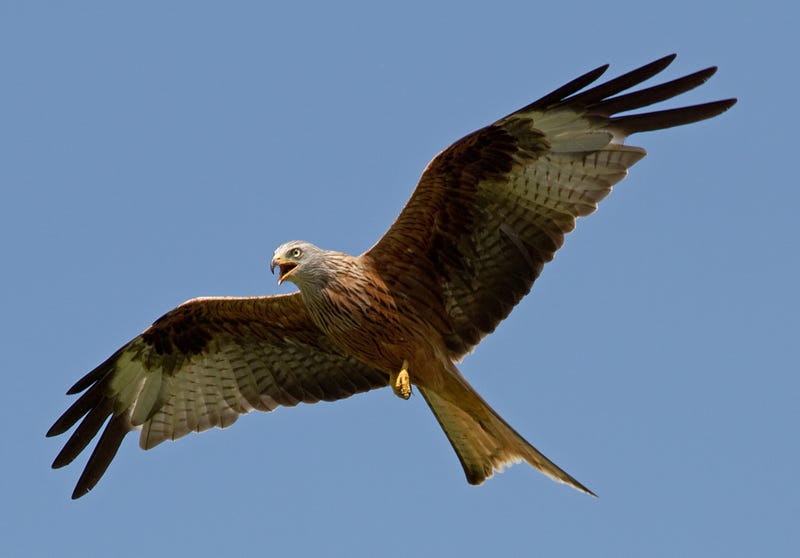
Although the planning process was done by the company in hand with the public and the local authorities, the planning documents were never made public. Since the windmill was composed of less than 20 turbines, LNV had access to the planning documents only at the court. The windmill project documents contained weaknesses and LNV asked the court to review its decision about the construction project.
LNV mediates conflicts between renewable energy and nature conservation. LNV ensures that wind turbines don’t harm migrating birds, bioenergy land doesn’t compete with food production and hydroenergy doesn’t disturb aquatic wildlife…
« On one hand we don’t have enough space in Baden-Württemberg to produce all the energy we need. On the other hand in the north-western states of Germany there is more electricity produced than needed. To solve our energy problem, there is a project to bring electricity from Morocco with windmill on the coastline and solar panels in the Sahara. Only 5–10 % of the electricity would be lost during the transport and it could provide energy to all Europe. » described Dr. Bronner.
LNV helps county administration to create landscape conservation unions, a suborganization mediating nature conservation actions between towns, farmers and conservationists. LNV tries to convince the state government to provide funding for every county to have his union. Since there is an increasing demand of space for infrastructures and settlements, LNV ensures the efficient use of the scarce urban land and abundant cheap rural land.
« In the countryside, we try to integrate agriculture with nature conservation. We try to make farmers have a more biodiversity friendly and still economically viable management. We need to change the policy and get away from the current agri-environment scheme which subsidizes farmers on a ha-based evaluation. » explained M. Brönner.
To control the implementation of impact compensation in the state of Baden-Württemberg, LNV is also creating a system where all compensation measures are documented.
Once a year in autumn, the LNV is holding a big congress, the “Zukunftsforum” translated « Forum about the Future ». The aim is to bring different stakeholders together to discuss about pressing issues, for example last year conference was about the declining insect diversity. Two years ago, the forum was about environmental education, the LNV tried to convince the local government to put back the basic identification of plants and insect families into the school curriculum.
« In the forum we promoted Naturpark schools, primary schools in the south of the Black Forest where children go outside and learn practical subjects about Nature. Pupils also meet rangers, foresters and carpenters to widen their view on the world. Nonetheless it is difficult to create these schools because teachers lack of training about Nature. Thus, they are afraid to go out of the school because of security and responsibility issues. Not to mention the difficulty to get parent permission and decent funding for the logistic. Another problem is the lack of experts in various conservation field, people who know the insect or plant species. This is mainly due of the low wages in this sector » complained M. Brönner.
LNV’s role at the national and European level
As mentioned before, LNV is a state organization. Nonetheless at the federal level, LNV is part of the “Deutscher Naturschutzring” organization which assess and shares the most efficient policies and practices among states.
« The German nature conservation ring (Deutscher Naturschutzring) regularly publishes reports and organizes meetings, so there is a communication between Federal states. A good example is a recent study searching for the best conservation regulations among states. We submitted the best ones to the Ministry of Baden-Württemberg and some were added in the state law. » explained M. Brönner.
The organization reminds the state government about their commitment to European environmental laws such as the Habitat, Birds directives and Natura 2000, in extreme cases it can complain to the European court of justice in Brussels.
To conclude, I would like to remind our lucky reader that « alone we go faster, but together we go further ». If we want our Earth and people to go far, we will need to strengthen the means of implementation and revitalize partnerships. Organization like LNV are exactly doing this, enhancing cooperation between different stakeholders. LNV is a direct actor of the sustainable use and development of our landscape in Central Europe.


