
Inside Ukraine’s Border of Steel: The Drone Army of 40K Soldiers!
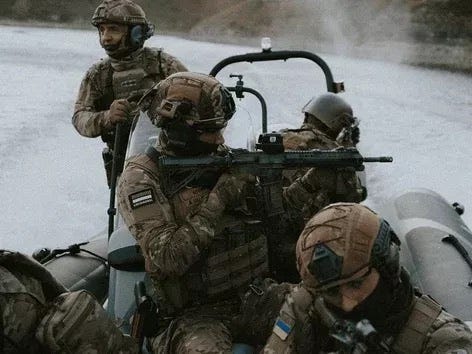
The “Border of Steel” brigade, a unit emblematic of Ukraine’s resilience and adaptive warfare strategies, has recently showcased the efficacy of drone strikes against Russian positions. This brigade, part of a broader initiative to bolster Ukraine’s military capabilities through the recruitment and training of new soldiers, represents a significant evolution in the country’s defense apparatus. With around 40,000 soldiers organized into storm brigades, Ukraine’s strategic emphasis on drone warfare has become a cornerstone of its military operations.
The use of drones in this conflict is not merely a tactical novelty but a strategic necessity. In an era where conventional warfare is augmented by technological prowess, Ukraine’s “drone army” stands as a testament to innovation under duress. From reconnaissance missions to targeted strikes against armored vehicles, these drones embody the multifaceted approach required to counter the Russian military’s might.
A quick heads-up: Medium’s been tweaking its algorithms and it’s getting trickier for my stories to land in your feed. So, if you enjoy my work, please make some noise! Hit that clap button, light up the highlights, or drop a comment. Every interaction helps keep the stories flowing. Thanks for your support!
The deployment of kamikaze drones, in particular, highlights a cost-effective yet potent means of engaging enemy forces. These drones, often assembled from commercially available components, have proven effective against both personnel and heavy equipment, including main battle tanks. Such adaptability is indicative of a broader trend within the conflict, where asymmetrical warfare tactics are employed to level the playing field.
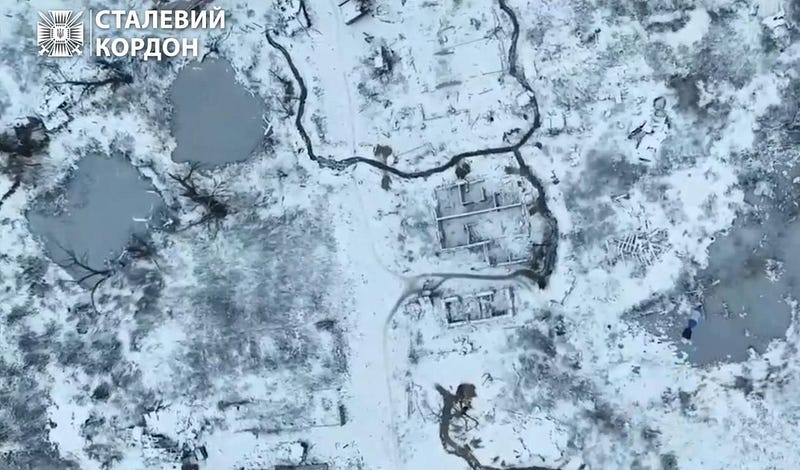
Conversely, Russia’s reliance on aerial assaults, notably through the use of Iranian-designed Shahed loitering munitions, underscores a different aspect of modern conflict. Targeting Ukraine’s energy infrastructure, these attacks aim to cripple the nation’s logistical and civilian support systems, a strategy that speaks to the war’s broader impacts beyond the front lines.
Recent engagements have seen Ukraine’s air force successfully intercepting a significant number of these attack drones, demonstrating not only the effectiveness of the country’s air defenses but also the resilience of its infrastructure and the rapid response of its repair and restoration efforts. The ability to maintain operational continuity in the face of such challenges is a testament to the strategic foresight and the indomitable spirit of the Ukrainian people and their defenders.
The creation of the “Border of Steel” brigade, alongside the formation of other storm brigades, marks a pivotal moment in Ukraine’s military evolution. With approximately 40,000 soldiers trained in the early months of 2023, these units were formed as part of Kyiv’s strategic response to the ongoing conflict. Their existence underlines a significant shift towards incorporating advanced technology and tactics into Ukraine’s defense mechanisms, leveraging the potential of drone warfare to offset the conventional superiority of Russian forces.
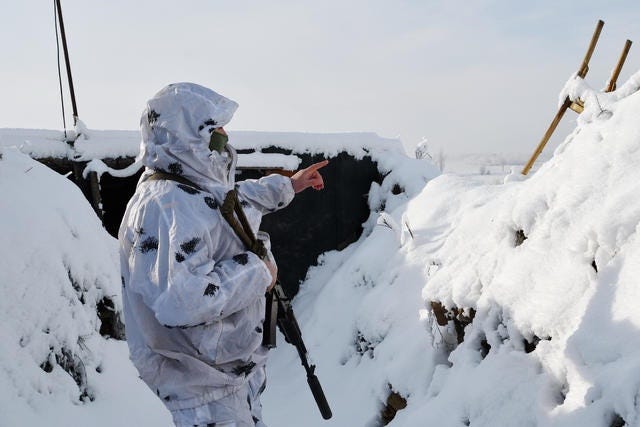
The reliance on drone technology extends beyond mere offensive capabilities. Ukraine’s development of a “drone army” is a testament to the nation’s innovative approach to warfare, covering a broad spectrum of military operations from reconnaissance to direct strikes. This approach not only enhances the effectiveness of Ukrainian forces on the battlefield but also demonstrates a remarkable capacity for adaptation and innovation under pressure. The use of drones, particularly in kamikaze attacks against Russian armored vehicles and tanks, underscores the tactical flexibility afforded by these technologies.
On the other side of the conflict, Russia’s strategic use of drones, notably the Iranian-designed Shahed loitering munitions, reveals a different dimension of the warfare dynamics. These drones, primarily used against Ukraine’s energy infrastructure, illustrate the broader strategy of targeting civilian facilities to undermine morale and disrupt daily life. The strategic deployment of these munitions speaks to the war’s extended impact, affecting not just the immediate battlefield but also the broader societal framework within Ukraine. Despite these challenges, Ukraine’s air defenses have displayed remarkable efficiency, intercepting a majority of the incoming drones and mitigating their potential damage to the country’s infrastructure.
As the war enters its next phase, the significance of these engagements cannot be overstated. The adaptation of drone technology by Ukrainian forces represents a paradigm shift in modern warfare, where the combination of ingenuity, resilience, and technological innovation becomes the key to sustaining momentum in the face of overwhelming odds. The “Border of Steel” brigade, through its recent operations, not only highlights the tactical evolution of Ukraine’s military strategy but also symbolizes the enduring resolve of a nation fighting for its sovereignty and the principles of freedom and democracy.
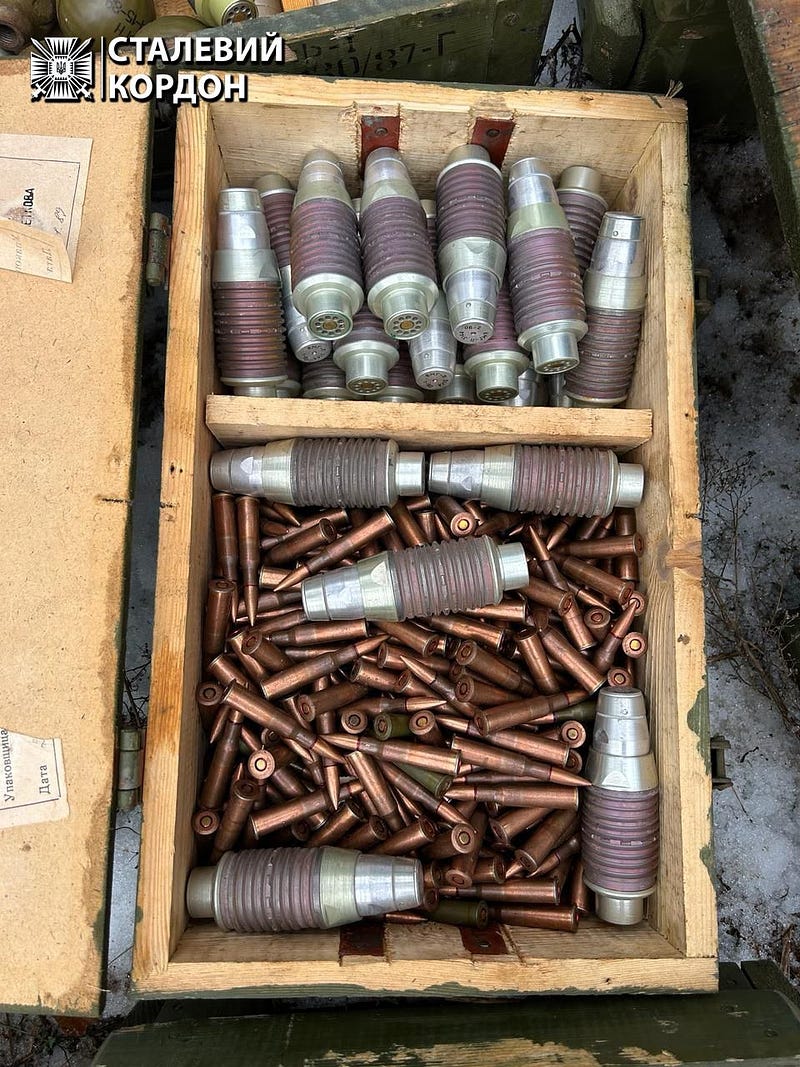
This conflict, characterized by its attritional nature and the complex interplay of conventional and innovative tactics, continues to draw the attention of the global community. It serves as a stark reminder of the changing face of warfare in the 21st century, where the lines between the battlefield and the technological frontier become increasingly blurred. As we reflect on the developments of this war, it becomes clear that the outcome will not only determine the fate of Ukraine but also set a precedent for future conflicts in the digital age.
In conclusion, as we witness the unfolding dynamics of the Ukraine-Russia war, it becomes increasingly clear that the future of warfare is intrinsically linked to the ability to innovate and adapt. The strategic utilization of drone technology by Ukrainian forces, in the face of overwhelming challenges, not only underscores the changing nature of military conflict but also highlights the resilience and ingenuity of those fighting for their nation’s future. The global community must take heed of these developments, recognizing the importance of technological advancement and strategic flexibility in shaping the outcomes of contemporary and future conflicts.
Engage with this analysis by clapping and commenting below. Share your perspectives on the evolving nature of modern warfare and the strategic implications of the Ukraine-Russia conflict.