
Inside the Bell Jar
Inside the Bell Jar / Psych Ward Meatloaf
By Billie Burton
Charting my journey as an inpatient on a secure psychiatric unit.
Hidden on the edge of Belmont, Massachusetts, lies a beautiful, leafy green campus peppered with grand, stately brick buildings. Amidst the wooded grounds, a labyrinthine warren of tunnels crisscrosses the campus, occasionally rising above the ground as if surfacing for air. The tunnels run like raised veins over the skin of the land, creating an arterial network that connects many of the buildings. McLean Hospital, then, felt (and was) deeply historic. Initially founded in Somerville in 1811, the ‘McLean Asylum for the Insane’ would move to its current location in Belmont in 1895. McLean’s most famous patient, Sylvia Plath, was treated at the hospital in 1953 and based much of her most famous work, ‘The Bell Jar’ (1963), on her time at McLean, before ending her life later that year. Another well-known patient, Susanna Kaysen, would author ‘Girl Interrupted’ (1993) based on her treatment at the hospital in the 1960s. ‘Girl Interrupted’ would go on to be a successful movie, with Angelina Jolie winning an Oscar for her performance. Today, McLean remains one of America’s foremost and storied psychiatric hospitals, as a teaching hospital of Harvard Medical School and for being well-known for both its world-leading research and its eminent patients.
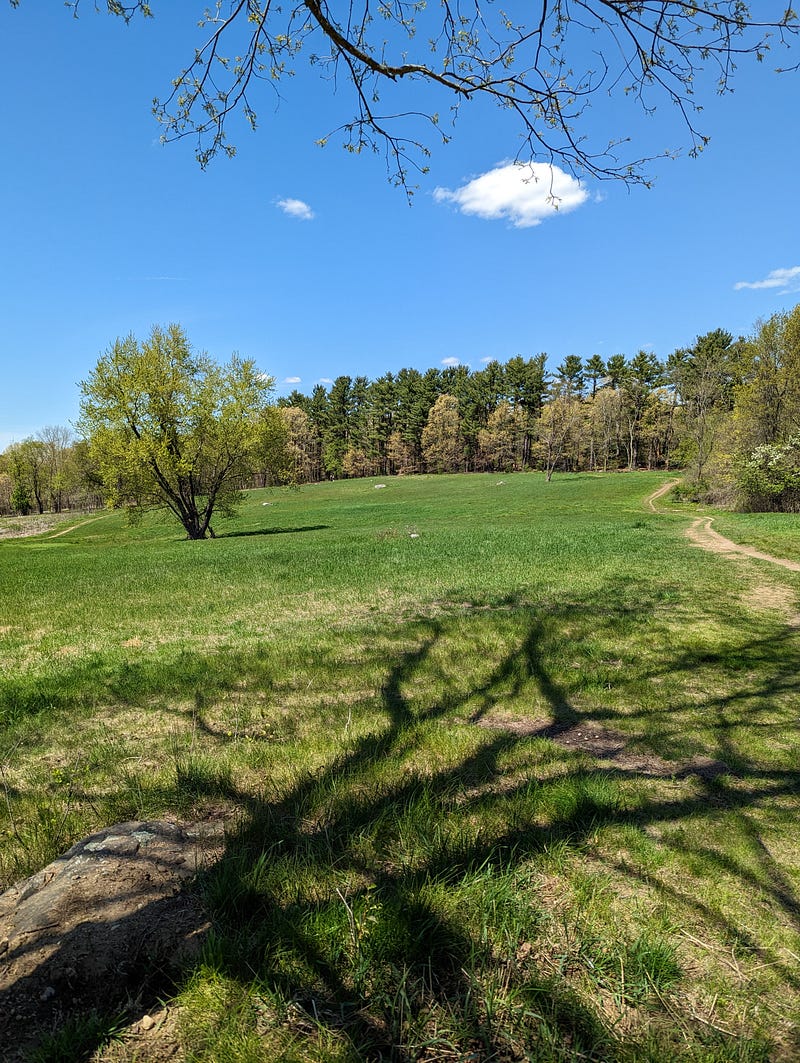
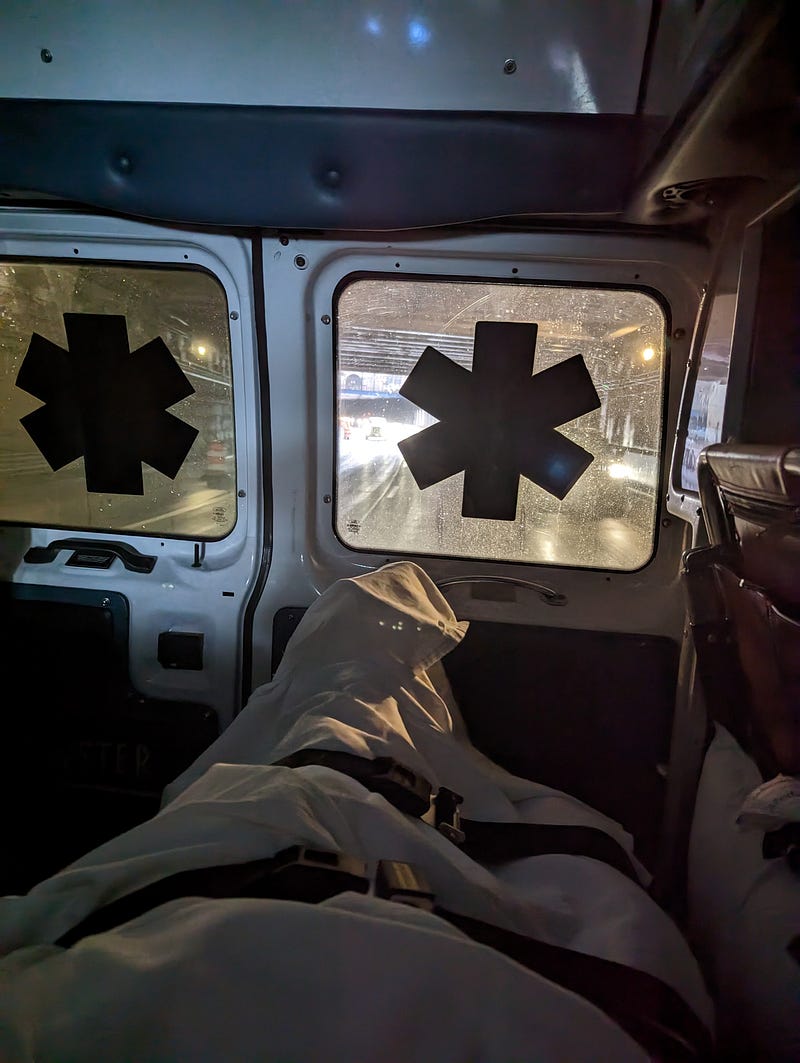
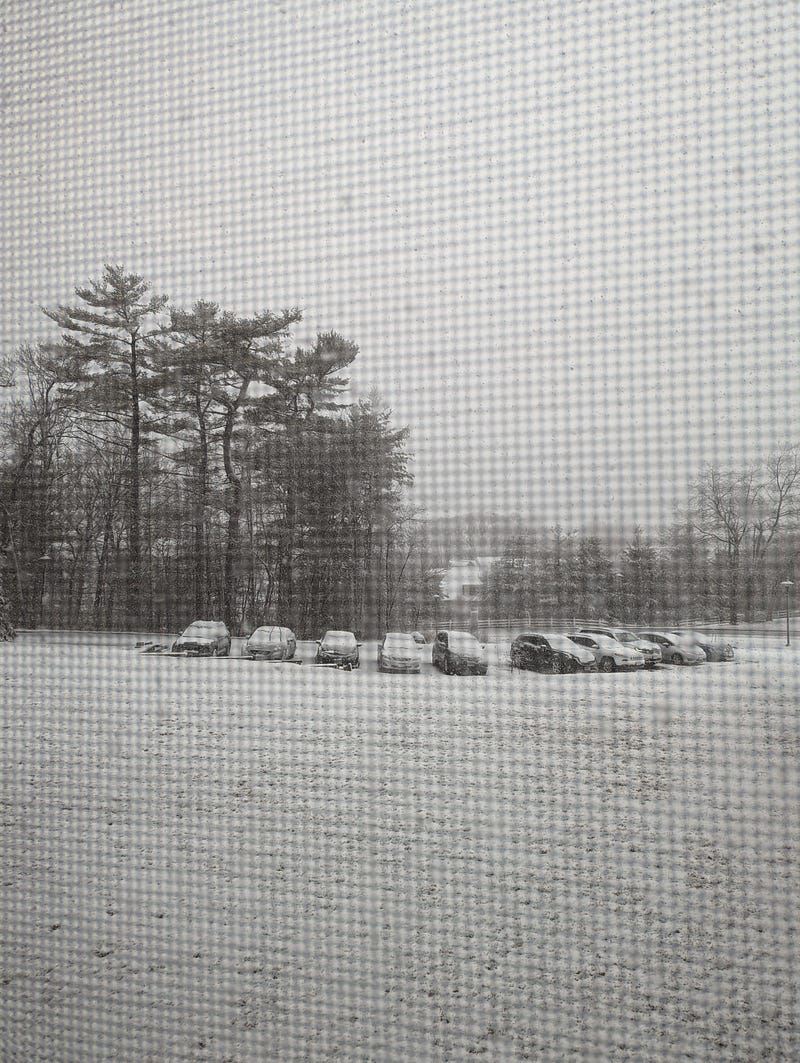
My mind fell over a waterfall in February. For weeks, I had wanted to die, and my mental health continued to deteriorate. I became obsessed with suicide, and I set plans in motion to make it a reality. On the night I intended to end my life, I somehow (reluctantly) dragged myself into an Uber that took me to the ER at one of Boston’s biggest hospitals, and thus I plunged into the frigid, icy waters that were the unknowns of secure psychiatric care. At the ER, I was swiftly escorted by police officers and suited security guards like a criminal past the dozens of people awaiting treatment, before guarding me in the psychiatric section. I was immediately stripped of my clothes and belongings before being given scrubs to wear, and I was quickly involuntarily sectioned by the ER’s psychiatrist and told I would be transferred to McLean in the morning. After a miserable night in the ER, I was escorted by security to a waiting ambulance despite being firmly strapped to a gurney. During the rough, jarring ambulance journey that transferred me to McLean, the lack of control and independence I had dawned on me. It was the worst journey of my life. Between my few hours in the ER and my time at McLean, it would be a full 110 days before I would be discharged from secure psychiatric care. I was wheeled into McLean in the crisp February snow, and I would eventually walk out into the sweltering heat of June, missing the entirety of spring. Including my subsequent Partial Hospitalization Program, I would ultimately spend 168 days in intensive psychiatric care. I needed every single day.
During my 110 days at McLean, I soon became a character in the surreal unreality that is a secure psychiatric unit. Time took on an entirely different quality, melting during the week and leaving great crevasses that we all fell down on weekends. The daily group sessions and care team meetings during the week were just about enough to keep you tied to the ground, but some days would be stagnant pools and others would be raging rapids. When you do not control your own time, time suddenly becomes important to you. Arriving at McLean, I arrogantly believed that I would soon be discharged. I was a high-functioning grad student at a good school! I ran important projects! I was making progress with my gender transition! I didn’t belong here! Yet that belief soon fell apart as my mind continued to plunge into the darkness. I became one of the most acutely unwell patients on the unit, and thus one of the most restricted. By the time I left, I was the second longest-serving patient on the unit at the time. I just wanted to die. I desperately, desperately wanted to die. If I couldn’t die, I wanted to hurt because I believed that it was what I deserved. I can now tell you that this was my trauma and my mental illness talking. I am a sexual assault survivor, and I am a transwoman that carries immense pain and hurt from a lost decade in which I could not access gender-affirming care. My trauma kills me inside. It left me in indescribable mental pain, and I was so very unwell. I thus took it upon myself to find ways to hurt myself — self-harm, and to try and commit suicide on the unit. Dear reader, these were the darkest times.
Yet the psych unit was explicitly designed to not let this happen, of course, and the staff — nurses, therapists, and mental health specialists were diligent experts in keeping patients safe, including me. Looking back, they were amazing. And so began a perverse, constant, very serious game of cat and mouse between me and the staff. As my mind continued to plunge deeper and deeper still, I would become an expert at smuggling ‘sharps’ into my room or into the bathroom so that I could hurt myself or worse. ‘Sharps’ were in highly limited supply — after all, I was in a psych unit. I would liberate plastic knives from the kitchen and pull the metal nosepiece from facemasks, and I would pull staples from books and magazines. I would smuggle and use literally anything I could find. They were normally intercepted by staff, but I believe that it is impossible to keep everyone safe all the time. I like to think that I’m a generally intelligent person, but I recognize in hindsight how that helped me find evermore creative ways to hurt myself. I do like to think, though, that my self-destructive creativity at least helped to further safety-proof the unit, having identified new ways to try and commit suicide. Ultimately, I did hurt myself. I self-harmed repeatedly, and on one of my heaviest days, I attempted to commit suicide. On other days, I desperately wished my self-harm would be enough to kill me anyway, but it never was, and was a constant source of upset and frustration. I wished a plastic knife would be enough. Dear reader, how desperate do you have to be to use a plastic knife to self-harm or try to commit suicide? I can tell you, Dear reader, for my arms, even today, bear the checkerboard scars and keep the score. For much of my 110 days, this is what my life was like, very rarely being safe and constantly having plans to commit suicide on and off the unit with intent. I slowly began to understand that I was deeply, deeply unwell. It seems so obvious now — of course, I was unwell! — but it is so hard to see the light when you have spent so long in the dark.
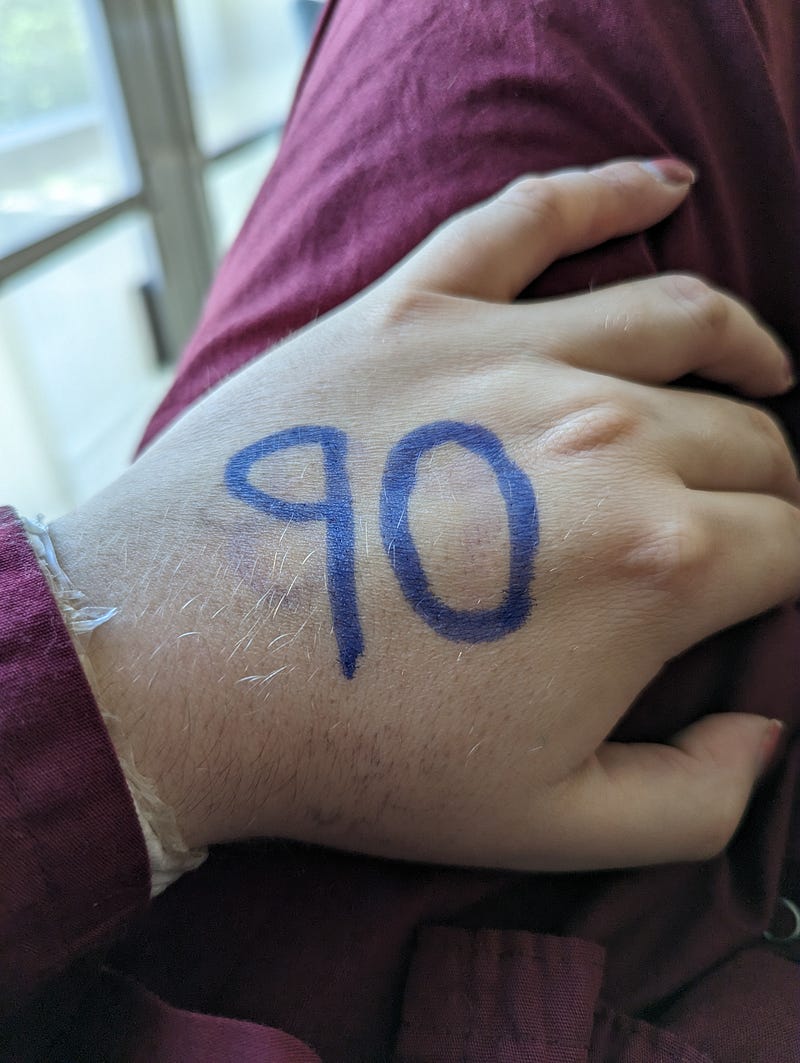
Unsurprisingly, my actions had real consequences. For my safety, I would be on the most restricted, acute level of patients for weeks at a time. As I fell further into the depressive, desperate, and destructive world of self-harm and suicide, my safety measures — though they felt like restrictions — would go much further. Being checked on every 15 minutes would become every 5 minutes, I would only be allowed one set of clothes at a time, and I wouldn’t be able to have my shoes or anything else that could possibly be dangerous. I wouldn’t be allowed outside for a long time — neither on the unit walks into the woods and around campus, nor time in the fenced-off yard outside the unit. In particularly bad periods, I would be locked out of my room from when I woke up until it was bedtime (and until I was actually sleepy), whilst my bedsheets disappeared and became a bare plastic mattress, safety blanket, and pillow from my first week in the unit until the day I was discharged. Sometimes I was banned from the canteen and group room and had to sit in direct sight of the nurse’s station. In hindsight, the restrictions were necessary for my safety, but in the moment they felt oppressive. There were occasional, rare moments of clarity where I was able to come up with plans with the staff, but they were few and far between. Above everything, though, it was the bathroom supervision that I hated the most. I despised it. For nearly a fortnight, while I was already on five-minute checks, a member of staff would supervise me in the bathroom, whether I was showering, cleaning my teeth, or using the toilet. It was the fucking worst. I begrudgingly accept that it stopped me from self-harming and worse during an especially bad period, but it really, really was the fucking worst. It may have been necessary, yet there was no lower time during my stay in the hospital and there has been no lower moment in my entire life. Today, I look back on these measures with both discomfort and acceptance. I was, obviously, seriously unwell in McLean. I needed the level of care of a secure psychiatric unit, and I needed the subsequent safety measures to keep me safe. Yet they felt dehumanizing, and they are still stuck in my mind. It was an ultimate, heartbreaking loss of independence. I was facing a darkness that I had never felt before. It nearly claimed my life. As deeply uncomfortable as the measures were, I needed them, and they kept me safe from myself. It is still hard for me to reckon with and (radically) accept that truth.
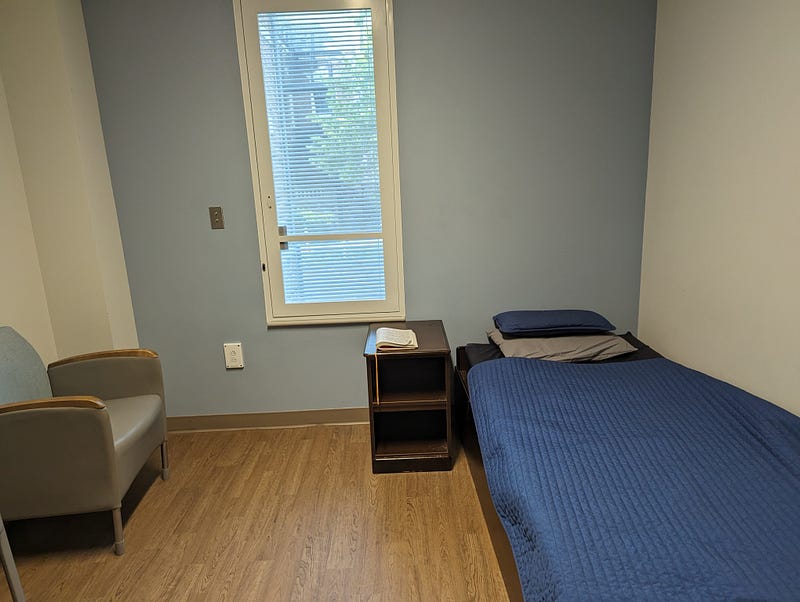
As a transwoman that is still relatively early in her transition, I was terrified of what might happen to me in a psych hospital. I had heard so many horror stories, and as the ambulance slowly rumbled towards McLean, I was genuinely fearful of what the future was going to hold and for my safety. In McLean, though, I received nothing but absolute respect for my gender identity, which is inextricably linked with much of my trauma. The staff were honestly better at using my she/her pronouns than I was, and if a member of staff got them wrong, they were immediately — and pointedly — corrected. The staff, quite a few of whom were queer-identifying, were always amazing in their inclusivity towards me. Ironically, my time at McLean was my first time in a truly accepting queer safe space, and that remains a meaningful experience for me. It is a shame it took a secure psych unit to find that, but I hope to find new queer-inclusive safe spaces in the future. In that, it gave me hope. I spent a lot of time at McLean crying, sobbing, and wailing my way through and around my transgender trauma. It hurt so much, and I really, really sobbed my heart out. I had the most intense, powerful, emotional conversations of my life about my trauma with staff, and on several occasions, they brought me back from the brink. Quotes from these conversations bounce around my mind to this day. Often with the help of (seriously) substantial medication, I would usually make it through most moments of cataclysmic despair. I took immense comfort in my trans kin that would cycle through the unit, and I spent as much time as I could learning from them. I felt an immediate love and connection to them, and I still do. Maybe that is a trans thing. It is an understatement to say that transitioning is very difficult in this political moment and so perhaps it is inevitable that I would meet a few trans people during my stay in the psych unit. I nonetheless mourn for them and mourn for me — yet I find some hope in the fact that we all graduated. We are strong, and we are legion.
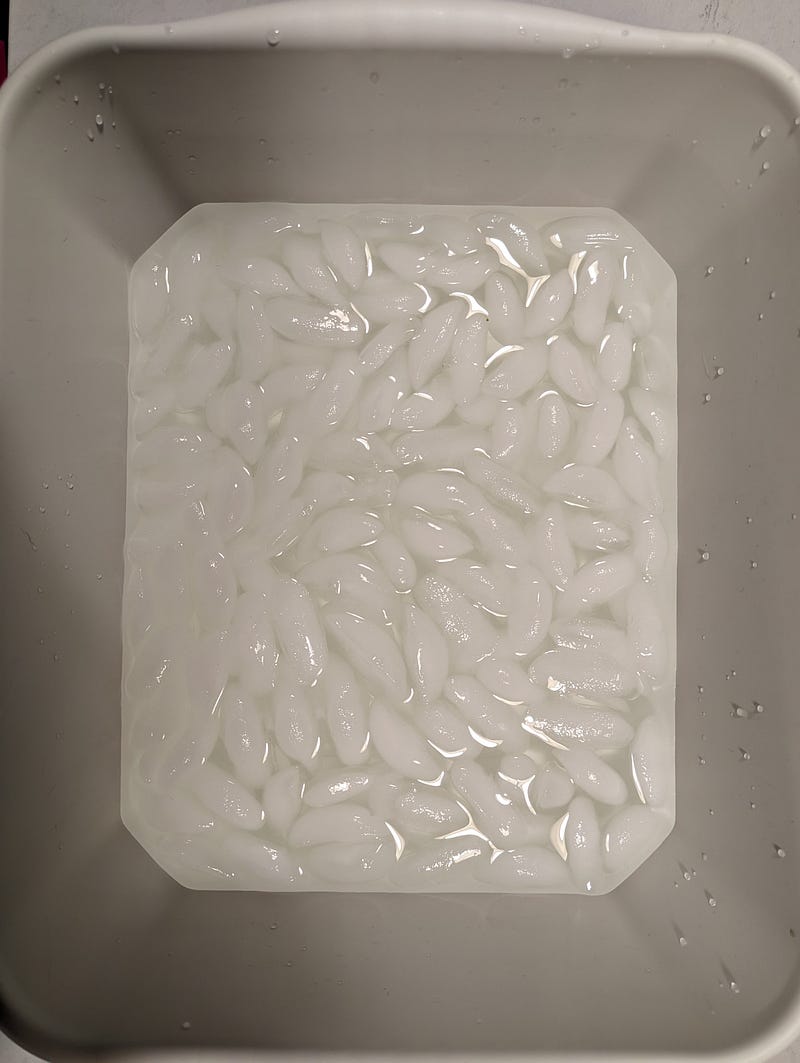
I was on the psych unit at McLean for a really, really long time. I missed an entire season. Dear reader, believe that I did everything I possibly could to get better. I went to nearly every single group that I could, amounting to dozens and dozens of groups of all manner of different types. I did music therapy and DBT and CBT and expressive therapy and flower-arranging and therapeutic walks and talks from peers with mental health conditions and drama therapy and all kinds of things. I cried openly through many groups. I learned a huge number of DBT skills that could keep me safe in the future, like TIPP skills. My favorite is ‘ice dives’, where you plunge your face or hands into a bowl of cold water and ice for 10 seconds at a time. I do this in a desperate moment even today, and it works effectively. I tried numerous medications, with one of them — lithium — giving me the side effect of an intense, irritating left arm tremor that left me temporarily unable to type. Thankfully, a reduction in dose has largely, though not completely, sorted that.
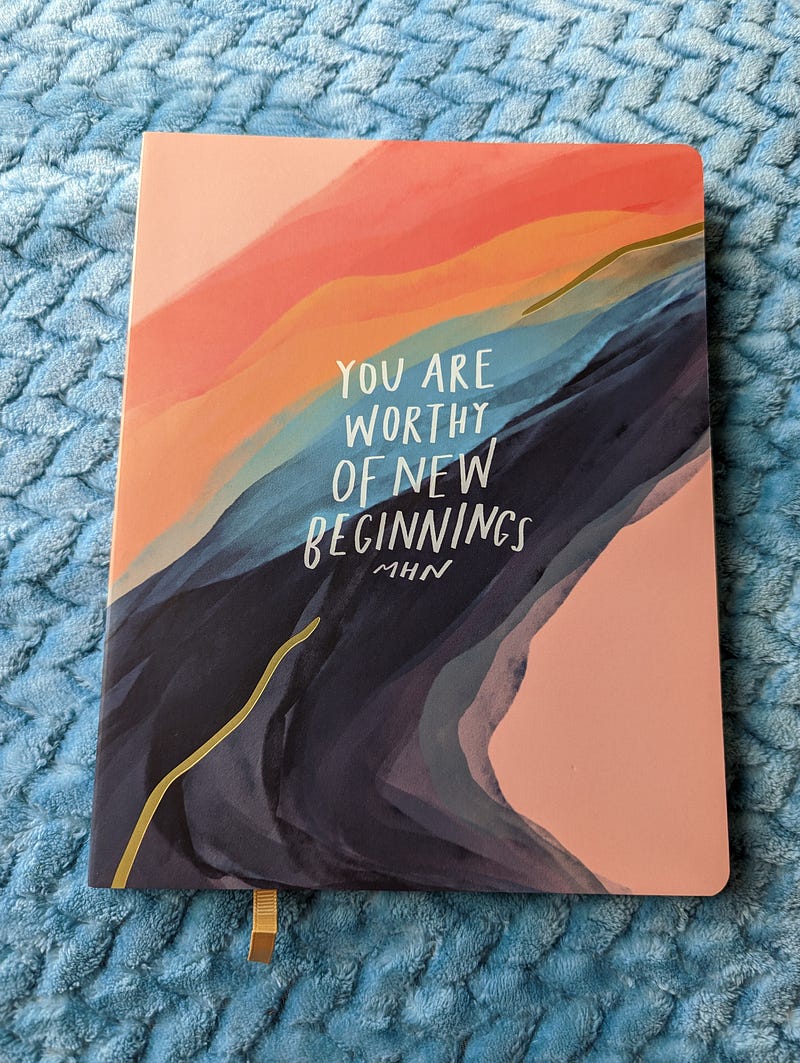
After months of continued suicidality and self-harm urges, and in some desperation, I decided to try the highly controversial and oft-derided electroconvulsive therapy. In all honesty, Dear reader, being sectioned and admitted to a psych unit was my all-time second-worst fear, with receiving ECT being my very worst. For better or worse, I have now managed to tick off both. I witnessed friends on the unit have truly terrible but rare reactions to ECT, yet others experienced genuine improvements in their conditions. When even a friend who had a rare reaction suggested that I try it as it had really helped her in the long run, I decided to explore it. I met with a TMS specialist who suggested that ECT was far, far better suited to my condition, and so I had an initial consultation and decided to go for it, with the support of my treatment team. I don’t really know if it helped, but I like to think that it did. It would give me extraordinary brain fog, jaw pain, and headaches, but I guess they are to be expected when you have a treatment that induces a seizure by electrocuting your brain. I had 10 or 12 treatments, with a few increases in ‘dose’ and in the type of ECT as we tried to arrest my condition.
The ECT team, hidden deep in the bowels of McLean, were wonderfully compassionate. They always promised to ‘take good care of me’ before I was anesthetized, and they were very kind about my continued suicidality and self-harm issues. Three things about my ECT experience were remarkable. Firstly, the ECT suite is deep in the basement of another building at McLean, and so every morning of ECT (3 times a week), I would have a supervised walk through the tunnels to the ECT suite with a member of staff. McLean’s tunnels are dingy, antiseptic, industrial, unnerving, and unending. It would truly be an excellent setting for a horror movie. After receiving the treatment, I would be picked up by a staff member and wheeled all the way back to the unit through the labyrinthine tunnel — a not-insignificant distance. Secondly, one day during a very acute period on the unit, I was escorted to the ECT suite by a senior member of staff from the unit. Whereas typically the staff member would disappear once I was on a hospital bed and being prepared for treatment, I was profoundly embarrassed when she announced that she would be staying with me until I was under anesthetic for my own safety. This happened a few times during that period, and it always made me feel so ashamed that they had to wait until I was literally knocked out before they could leave, despite being surrounded by a half-dozen ECT staff. It was awful. Thirdly, the anesthetic was delivered through an IV in my arm following a thorough process of checks by the ECT staff. While I was staring up at the ceiling tiles amidst the brightly lit, white, antiseptic ECT operating room, and at the point of injection, the ECT doctor would always repeat ‘Lights out in 5,4,3,2,1’. I weirdly enjoyed the feeling of going under, perhaps as it was an escape from reality, but I have also never gotten over the ‘5,4,3,2,1’ phrase. It is a moment that even months after my time in inpatient, remains crystal clear. Today, I am still working through the short-term memory loss that my ECT treatments induced, and it is slowly (very slowly) getting better. In my experience, ECT is not a treatment without its very real, consequential costs.
Somehow, I did get better. I don’t know how or why, but I did. After a terrible Friday of serious unsafety, I woke up on Saturday to feel markedly different. Most importantly, I was able to stay safe for the entire following week, and I noticed that my mindset had shifted from wanting to die to wanting to be alive for others. I still haven’t quite got to the stage of being safe for myself, yet this was an enormous breakthrough at the time. And so, somehow, and most improbably, I would go from being one of the most heavily restricted patients that weekend to being discharged the following Monday. I take great amusement from the fact that despite a few safety restrictions being lifted during the week, until the very day I was discharged, I still slept uncomfortably and cold on the plastic mattress and the damn safety blanket and pillow, and without my sneakers or any other clothes. In all honesty, it was the most fitting way to end my time in one of McLean’s secure psychiatric units.
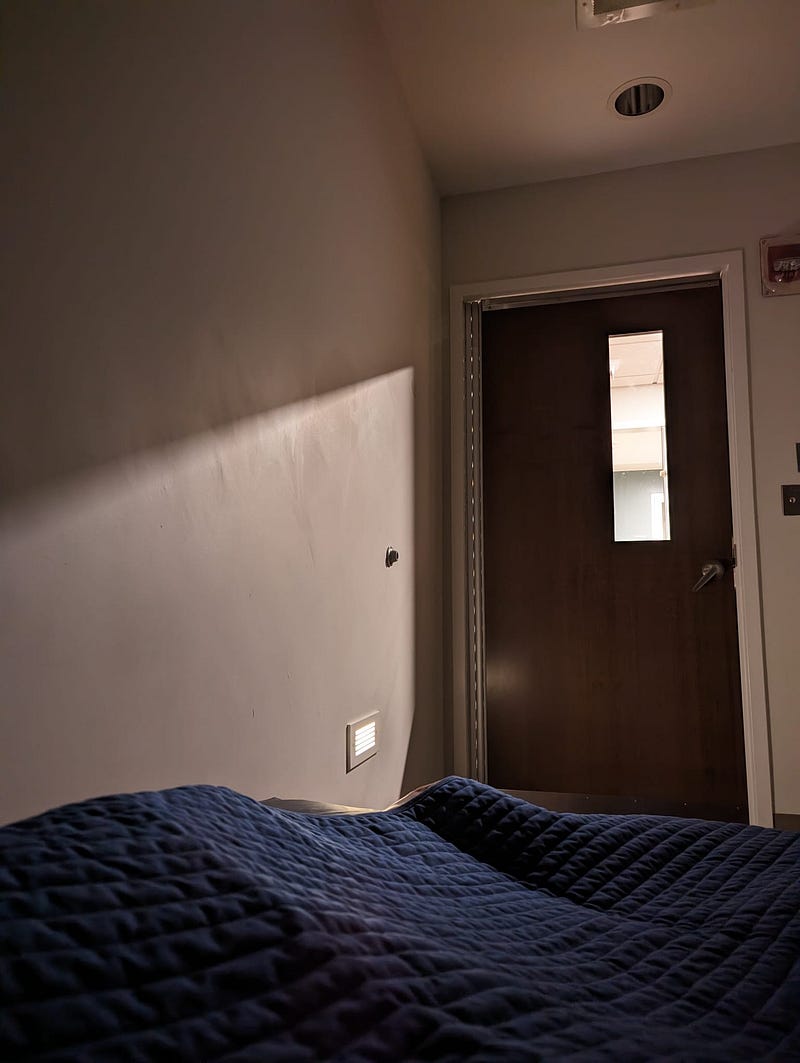
Over time, I would bond with the patients on the unit. We became a close-knit family and we celebrated and commiserated each other’s successes and setbacks. We would share laughs over Pictionary and jigsaw making and random Boston Celtics and Bruins games that would happen to be on the old TVs in the group room and kitchen. Dozens of people came through the unit while I was there, and I made meaningful relationships with a few people. It is natural that some friendships remain only on the unit and do not follow into real life, but some of mine have. I’ve met up with one or two in Boston, and I think we will remain friends for a really long time. Most people just don’t understand what our experience was like, and they do — and we struggle with similar issues. That connection is worth a thousand unknowing friends. Other friends exist on social media, and I am grateful to have windows into each other’s experiences of recovery and relapse. I truly, truly love my fellow patients. We went through the darkest, bleakest, most desolate of hells together. We have seen each other when we have self-harmed and attempted suicide. We have seen each other when we have banged our heads against the wall and when we have sobbed and screamed and wailed and hurt and injured and hated. We know what the stinking, nasty belly of the whale is like, and we have been there together. In that shared experience is an indelible bond that I believe can never be broken. We would sometimes order food in together, like Indian or Dominos, to escape the pitiful offerings on the unit. We were grateful, of course, for the food we received on the unit — it just felt so good and uplifting to have something different. Believe me, feeling good and uplifted in a psych unit is a vital, important commodity. The unit’s meatloaf — a grey-brown sloppy mess that would somehow be burned and cold at the same time — became legendary on the unit, or at least within my mind, as being the worst dish on the unit. I dreaded its appearance on the menu. Psych Ward Meatloaf therefore became both a legend, an excellent band name, and part of the title of this article. It was that bad.
I could write an entire article about the staff on the unit at McLean. From the trendy, role model transwoman, to the scary-but-secretly-soft nurse, to the compassionate, kind, and gentle expressive therapists and peer specialists, to the mental health specialists that caught me trying to hurt myself and spoke to me every single night in my darkest moments, every single staff member was incredible, and I learned much from them all. They worked hard to keep me safe, and I know I worked them hard to keep me safe, but they were always so diligent around me, which was important. I know this is ridiculous — and perhaps it is because I am still institutionalized — but I really miss them. What is more (and I know this is truly silly), I wish they were my friends. They were just good, committed people doing the most important work, and I have nothing but the utmost respect and admiration for them.
When I walked anxiously into the ER in February, I had no idea of the odyssey that was about to be forced upon me. That powerful moment of being informed of my involuntary sectioning/commitment is crystalized and etched in my mind. I still struggle to attach emotions to that memory, for it saved my life but also cost me more than a third of a year. My 110-day (and eventual 168-day) journey became a bottomless, meticulous examination of my mind and mental health. My time at McLean was, without question, the most challenging, grueling experience of my life, and whilst I know that the entire odyssey saved my life, I also recognize that it changed my life, forever. I recognize, too, that I probably can’t back to my old career path as a digital war crimes investigator, and that even my return to grad school is more than a little questionable. I use the skills I learned at McLean (even the ice dive), and my prescribed medication, to stay safe on a daily basis. The urges continue. It will take time, too, to unpeel the layers of institutionalization from my long stay at McLean. With diagnoses in hand, I know that my future is more turbulent and uncertain than it was before, and I must accept that.
Sylvia Plath writes of the bell jar as embodying the suffocating nature of her depression, which whilst it profoundly resonates with me, remains an imperfect descriptor of my own experience. At McLean, I was indeed being suffocated under the weight — the bell jar — of my intense suicidality. Yet wasn’t McLean itself a second, overarching bell jar that contains the bell jar of my depression and condition? Wasn’t it too a restrictive, suffocating entity that controlled my life, my behavior, time, and my existence? I have existed and persisted inside the bell jar, but it is only now, surveying my journey from afar, that I can recognize that the first bell jar can exist only within the framework of the second. I thus believe (and argue) that I have lived inside the bell jars, but I am thankful that now I stand a vigilant guard outside them. Perhaps Sylvia Plath existed within two bell jars, too.
I reluctantly cannot deny that even the darkest moments at McLean, including my self-harm, my suicide attempt, and the intense safety restrictions — yes, including the bathroom supervision — were ultimately a critical, pivotal part of my journey that was essential to finding the path forward, groping for the light in tunnels of the dark. I am happily distant, now, from that darkness, though I still fear it is never far away. My arms still carry the scars of those profoundly dark days, but today they are also a reminder of just how far I have come. Partially healed, for some reason, they become bright crimson again in the sun.
In that color, Dear reader, I find only acceptance and peace.