
Inside Dolphin 406 — How a Luxury Cruise turned into a Covid-19 Prison for a Scottsdale, AZ Medical Couple
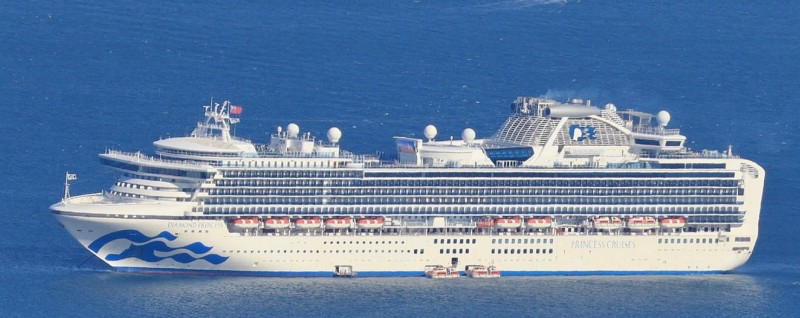
When Sommer and Steve Gunia left Arizona on January 16 and traveled across the world to Tokyo to board the fated Diamond Princess cruise on January 20, they had never even heard of the Novel Coronavirus that was already sweeping across China.
Sommer is a doctor (and particularly close to my own heart since she’s my breast cancer surgeon — the very one who cared for me during my recent diagnosis and bilateral mastectomy). Her husband Steve is a pre-operative nurse at the (normally) busy outpatient surgery center where I had my surgeries.
But despite their medical background, in late January, they were just a couple embarking on a long-awaited vacation, along with Sommer’s parents.

Sommer said it was a bucket list item for the couple to enjoy an Asian cruise, particularly during the lunar New Year, which fell on January 25 this year and usually involves weeks of festivities across Asia. (Though this year’s festivities were almost nonexistent due to the virus, and the whole experience was significantly hampered by the language barrier.)
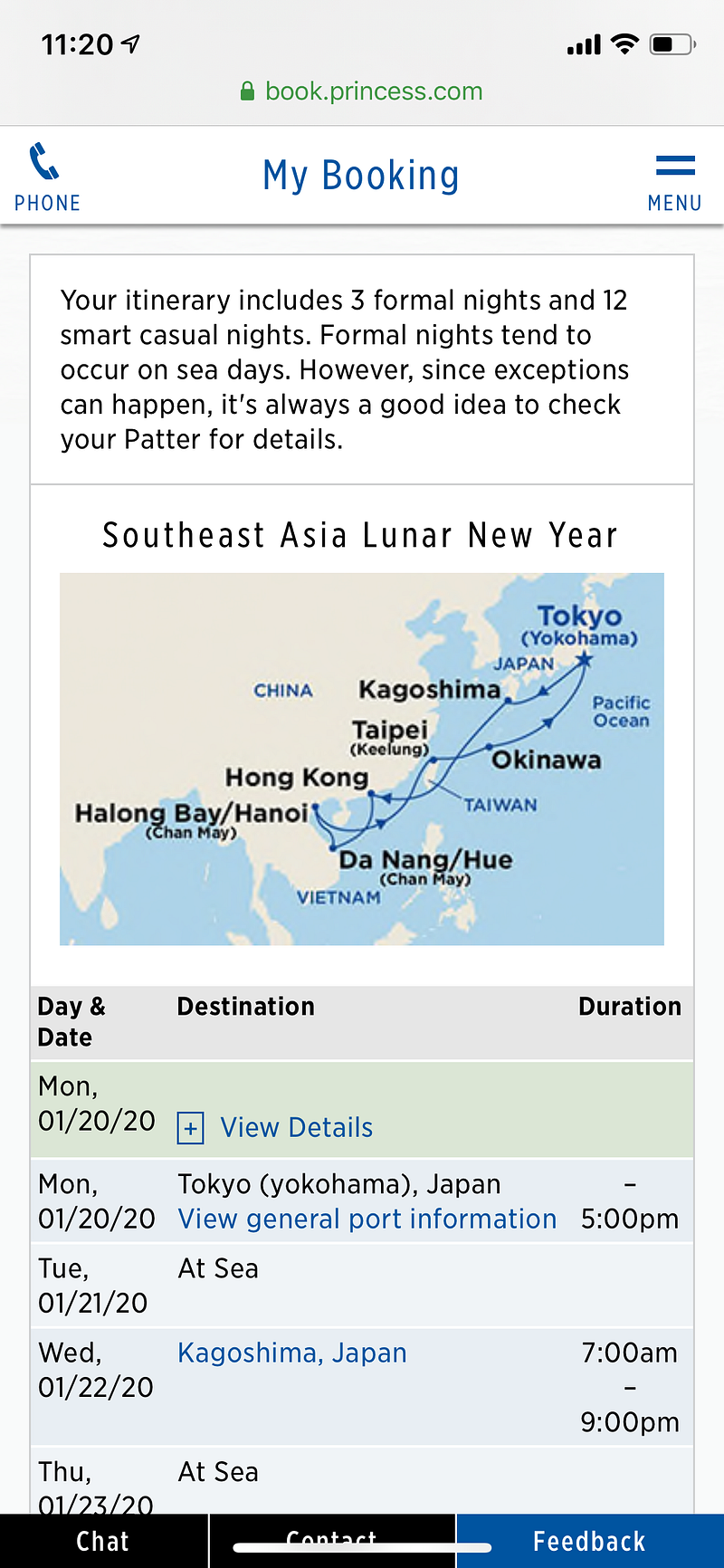
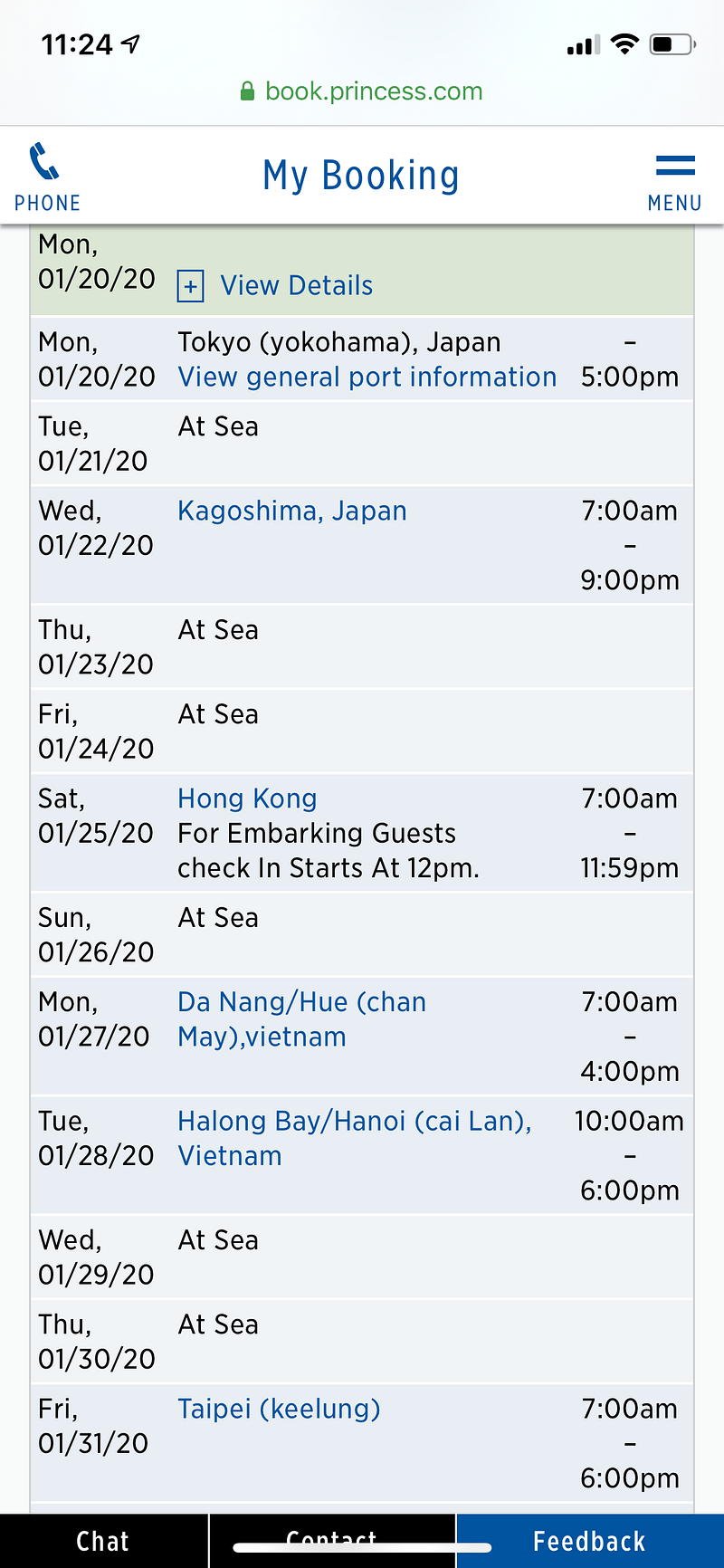
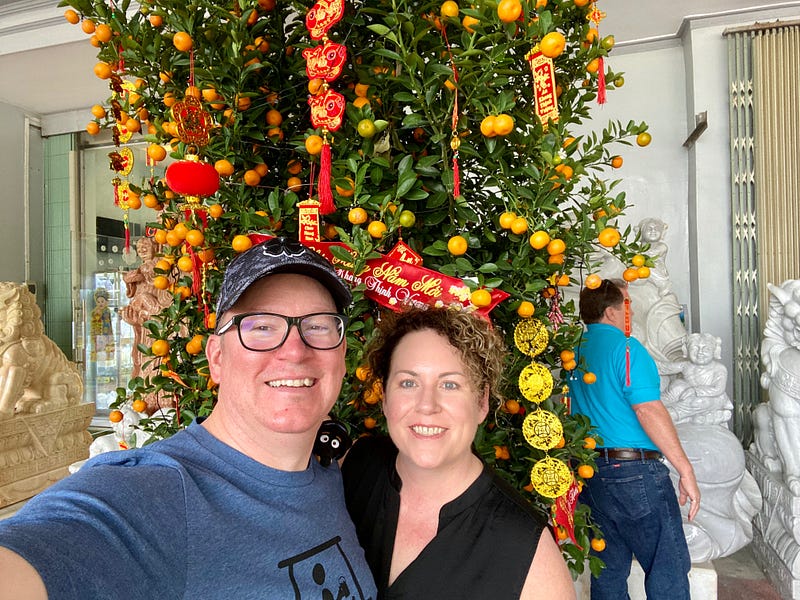
Sommer and Steve were married on a Princess cruise 18 years ago and had cruised many times since then, without a single issue.
It wasn’t until Feb. 3, the night before they were set to disembark, their luggage already packed and set outside their cabin door to be picked up by crew members overnight, that they realized they weren’t getting off the cruise ship anytime soon.
They learned that a Wuhan man who had boarded the ship in Tokyo, then disembarked in Hong Kong because he wasn’t feeling well, had been diagnosed with the new virus.
We all know what happened next. The virus swept through the ship, despite efforts to contain it, infecting more than 700 of the 3700 plus passengers aboard.
And today the Diamond Princess Cruise ship is listed as its own country on the Johns Hopkins case map that keeps a tally of Covid-19 cases worldwide.
“We made history on that ship,” Sommer said ironically.
“A ship is like a petri dish,” Steve added.
With more than 600,000 cases in the U.S. and more than 2 million worldwide (at the time I wrote this), the Gunias’ cruise-ship experience is no longer breaking news. They’ve been home for more than a month and a the CDC has published a detailed scientific paper on the ship’s outbreak.
But the complicated human experience of an outbreak on a cruise ship is in some ways even more interesting than the scientific study of just how that outbreak went down.
Though many of us feel like we are on house arrest these days, the passengers aboard that ship endured a much tighter quarantine, devoid of almost all human freedoms. Cruise ship cabins, even the most luxurious suites, are purposely small and simple, designed to keep passengers out enjoying the ship’s amenities, rather than hanging out in their rooms.
I finally sat down with Sommer and Steve at their Scottsdale home — sitting outside, at least six feet away, social distancing style — several weeks ago, to hear their story and try to share it in some sort of meaningful way.
Back here at home sipping wine in their backyard, the desert blooms visible over their low fence, birds chirping, their dogs cuddling up with them on the plush outdoor couches, they told me they were grateful to be healthy and free, but also disturbed and forever changed by their harrowing 27-day experience that reads like a movie script.
From being locked in their cabin — Dolphin 406 — on the ship, to being thrown onto a windowless cargo plane, not even knowing their destination until after landing, to what felt like a concentration camp experience back on U.S. soil, they felt dehumanized, stripped of their rights.
Their feelings of helplessness, anxiety and raw fear were only exacerbated by the lack of communication. They felt very much like prisoners, with other people making almost every decision for them.
At one point, several days into their second quarantine, now locked in an Airforce base in Texas, Sommer stood at a chain-link fence that contained the prisoners (i.e. cruise ship passengers) in their temporary military living quarters, frustrated and at the end of her patience, wanting answers. With tears streaming down her face, she rattled the gates and cried out to the guards,
“We are people! We are human beings! You need to listen to me,” she pleaded.
Dr. Gunia is a wonderful doctor — the perfect blend of educated, confident and compassionate. She takes the time to really communicate with her patients in an empathetic, authentic and truly caring way.
She had performed my bilateral mastectomy only months before, and I was still under her care when I learned of her confinement on Feb. 14. Taking a quick break in the middle of my own grueling 12-hour shift as a nursing assistant in the hospital, I read an emailed copy of a news story about the couple’s plight.
I reached out to her about the possibility of writing a more in-depth story about their unbelievable experience, but at the time her company was concerned about publicizing the story, not wanting Dr. Gunia to be known as the “Coronavirus doctor.”
Though she didn’t even have the virus herself, the Novel Coronavirus was a scary and distant contagion that was “out there” at the time. Now the disease has spread across the world and our nation, forever changing us in so many ways. It has become both more insidious and less taboo. Covid-19 has become a household name.
And the Gunias’ experience was like an eerie foreshadowing of what was to come for the world, the cruise ship like a microcosm of a small city.
By the time they finally were cleared from their quarantine and returned home, the entire world was changing quickly, but when the crew first began offering masks upon disembarkment at the various Asian ports of call, the couple didn’t see the virus as a serious threat. Exiting the ship in Hong Kong, they refused the masks that were offered. They had heard there were just a few cases in Hong Kong at the time.
“We weren’t going to get all excited about it,” Sommer said. “This stuff happens all the time. Lots of Asians wear masks all the time,” Sommer said.
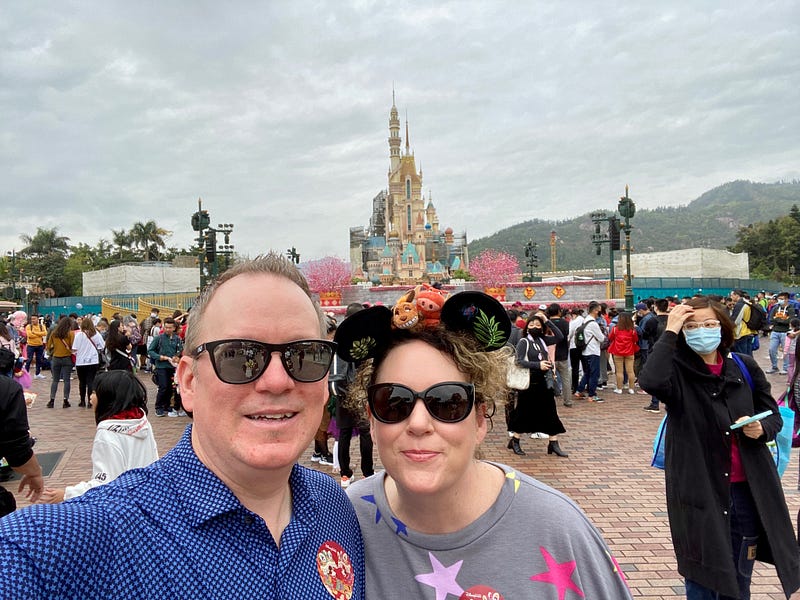
So being avid Disney fans, they visited Disneyland Hong Kong.
“We were there for three hours and they shut it down three hours after we left,” Steve said.
In fact they visited many Asian cities before their decadent Club Class elite passenger experience went from luxury dining and leisurely card games with Sommer’s parents to being locked inside Dolphin 406, their cabin suite turned prison cell, feeling scared and hungry, hoarding hard-boiled eggs.
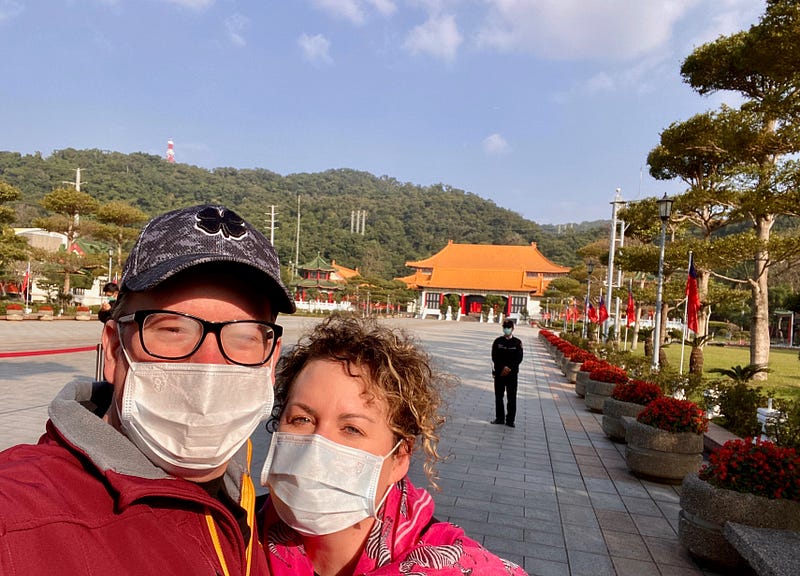
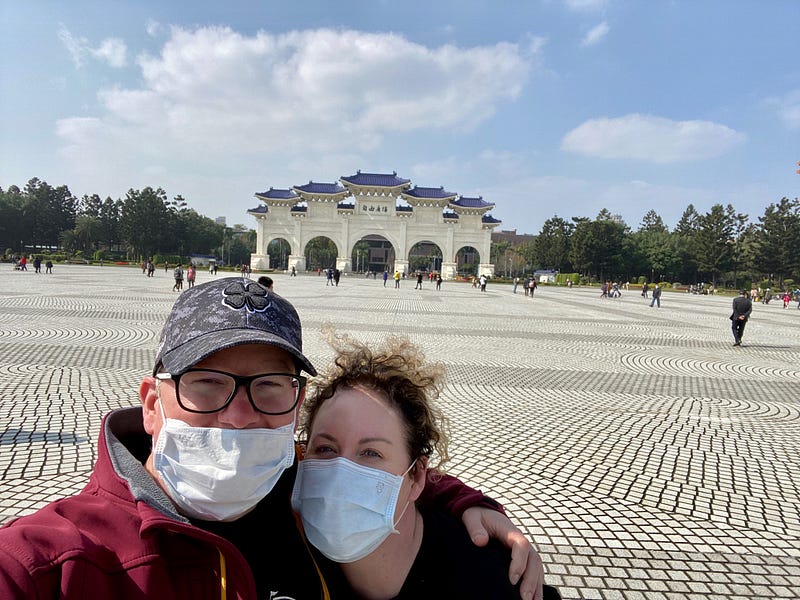
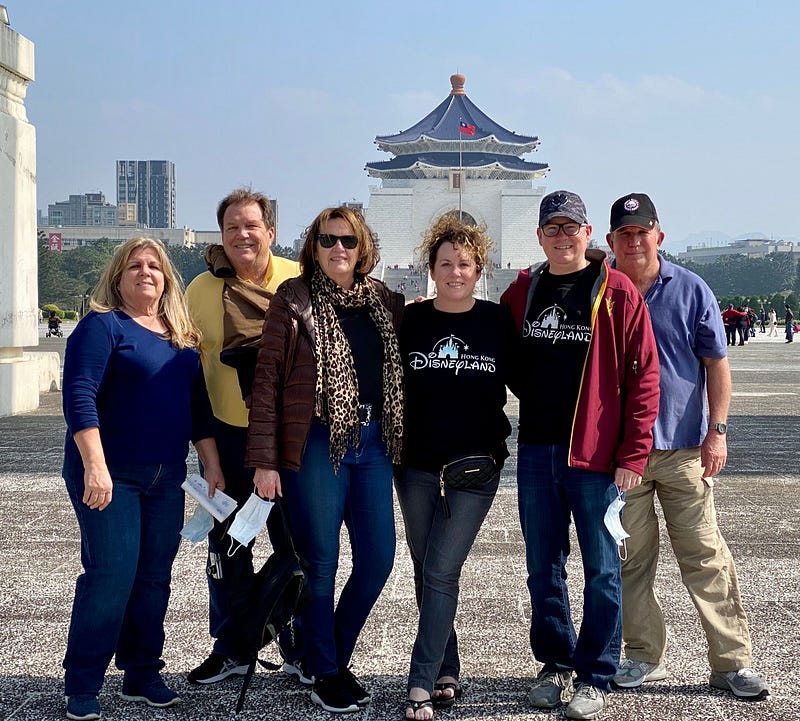
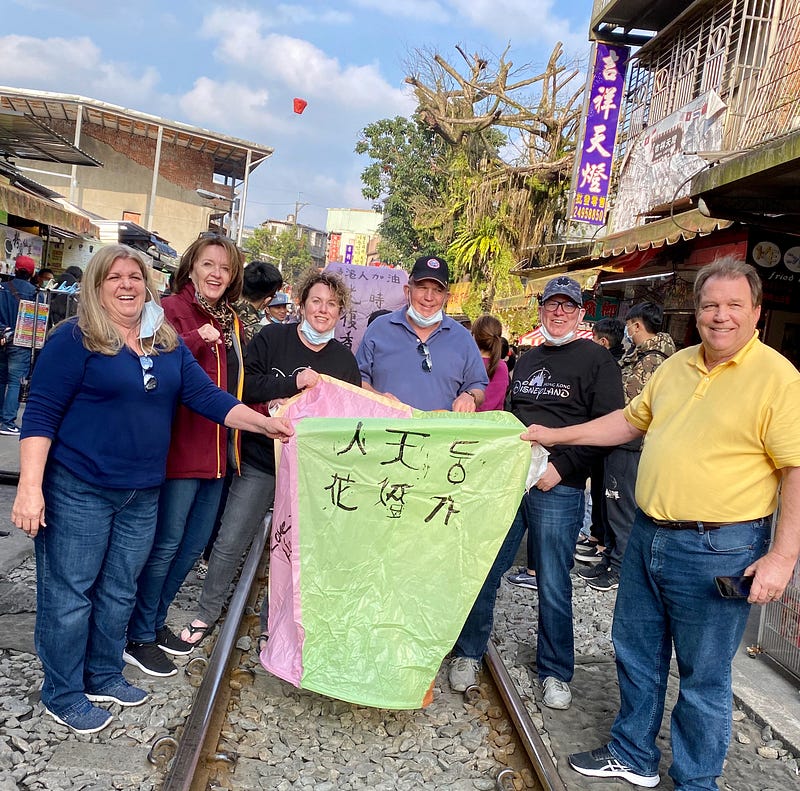
The ship was brought back into Japanese waters, gambling shut down since they were no longer out at sea, but at first no one told the passengers why this was happening. Sommer thought perhaps it was a mechanical issue.
But then the captain finally announced — late in the evening of Feb. 3 — that a passenger had been diagnosed with Covid-19 and that medical crew would be coming around to every room, starting at the top of the ship and working their way down — to interview and examine passengers.
Sommer said she didn’t know whether to stay in her clothes or change into pajamas. The crew didn’t get to their room until after they returned from breakfast late the next morning. Yes, they were still allowed to go to breakfast in the restaurant. In fact, they even had lunch and dinner outside of their room that day, the last day they were able to roam the ship freely — the day they should have disembarked in Okinawa and headed home.
By mid-day they texted their travel agent and rebooked their afternoon flight for a midnight one, still thinking they would be able to disembark that day. Then they texted her again that evening to rebook for the next day, still not being told that they would serve a ship-based quarantine.
“You are in such limbo and you don’t know what to do,” Sommer said. Sentiments that we all can relate to now.
“We as Americans actually have really good immune systems. We don’t wear masks all the time, we get our vaccines. We are in healthcare, but my parents are in the higher risk category,” Sommer said.
But thankfully, none of the family ever became sick with Covid-19.
The next day — February 5 — the crew announced that 10 people so far had tested positive and everyone would be quarantined for 14 days.
They had to cancel yet another flight. Steve had to let his boss know he wouldn’t be there for his scheduled shifts. And Sommer had to call her office so that her staff could reschedule cancer surgeries — 18 patients were scheduled for breast cancer surgeries over the next few weeks. Her partners performed the surgeries that could not be postponed.
They begged to be able to do their quarantine on U.S. soil instead of aboard a ship off the coast of Japan. That way, at least if they did get sick, they would be with doctors who spoke English. With no interpreter aboard the ship, the language barrier really did add to the mounting anxiety.
Soon they ran out of basic supplies — from toothpaste and toiletries to important medications for blood pressure, anxiety and depression — which can’t be stopped suddenly without serious consequences.
Once the quarantine started, Dolphin 406 became their prison cell. Crew members monitored the halls.
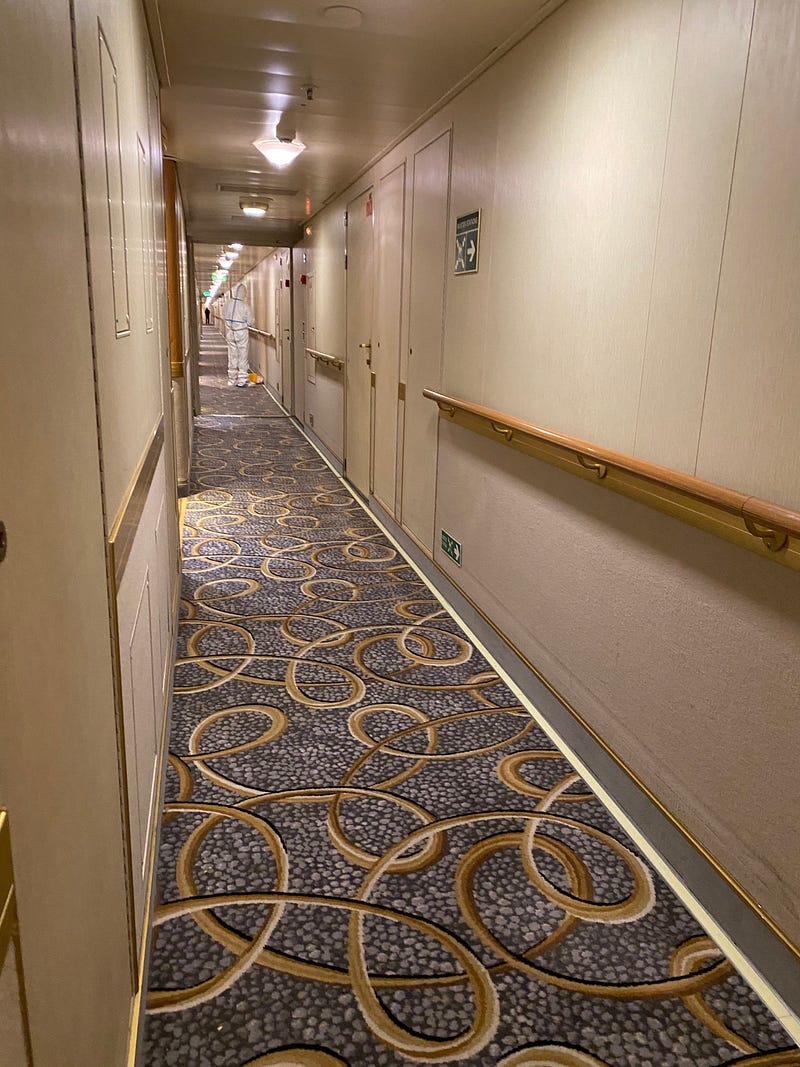
On Day 3 they finally let passengers take a daily walk around the deck, about 40 people at a time, at least six feet apart, wearing masks, and sanitizing hands at frequent intervals.
The crew sent Sudoku puzzles and decks of cards to keep them busy, and though they had internet access, it wasn’t strong enough for streaming. The TV in their room played the world news in the background most of the time. That’s how the couple received most of the information they did receive. But most of the U.S. news at the time was still focused on Trump’s impeachment proceedings and election caucuses.
Sommer started talking to reporters, hoping to get word out to US authorities about their situation.
Though there was the luxury of not having to do her hair and makeup, and a legitimate excuse not to work, they both found it hard to enjoy their quarantine time in any way.
“There are a lot of things we would have liked to have done during our quarantine time, but we just weren’t there emotionally,” Sommer said. “All you are looking forward to is that knock on the door to see what food they have for you this time.”
Food was all they had to look forward to and they had no motivation to exercise. They said that being quarantined at home would be a luxury compared to being stuck in a small room on a ship at sea.
Steve admitted he gained 20 pounds during the month-long quarantine and couldn’t even tell the story of what they endured without crying when they first got home. He said the worst part is that they felt utterly alone, they weren’t experiencing this with the rest of the world like we are today.
“They are making all the decisions for you,” Sommer said. ‘You have no control of your life at all.”
Though passengers were isolated in negative pressure rooms, providing what should have been an effective quarantine, crew members who were living in cramped quarters and had no notion of proper infection control were still roaming the ship freely, delivering food and supplies to the sequestered passengers. So, despite social distancing and quarantine efforts, the numbers kept increasing instead of decreasing.
They said that a Japanese infectious disease doctor — experienced with outbreaks, including Ebola — boarded the ship to help with this one and told them he’d never been so scared in his life.
Finally, on Day 12, they we told that they could disembark and were asked to RSVP with their names, ages and other information if they wanted to do so. They put their bags outside their room once more. They waited in line for hours, then boarded buses. And they waited. Hours and hours on a bus. Breathing the same air as infected passengers.
Eventually the buses took them to a tarmac where they boarded a cargo plane sometime after midnight, but didn’t take off until 5 am. They said they had heard that the CDC was fighting with U.S. government about whether infected individuals should be transported along with uninfected. They ultimately decided to transport them all together.
The plane had no windows, but was outfitted with porta-potties, exposed sewage lines and makeshift seats strapped down with cargo straps or bolted randomly to the floor. CDC workers aboard the plane wore high-tech suits fitted with their own individual air supplies, but healthy patients were separated from unhealthy ones by just a plastic sheet. Thank goodness for the masks they all still wore.
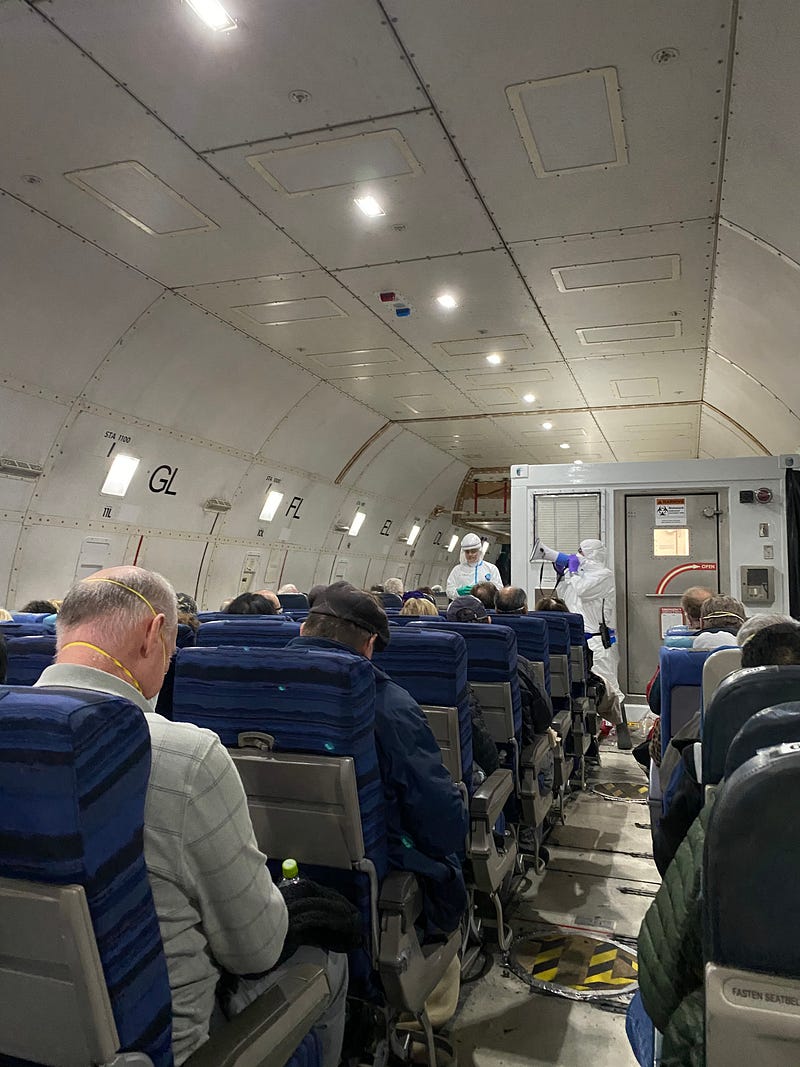
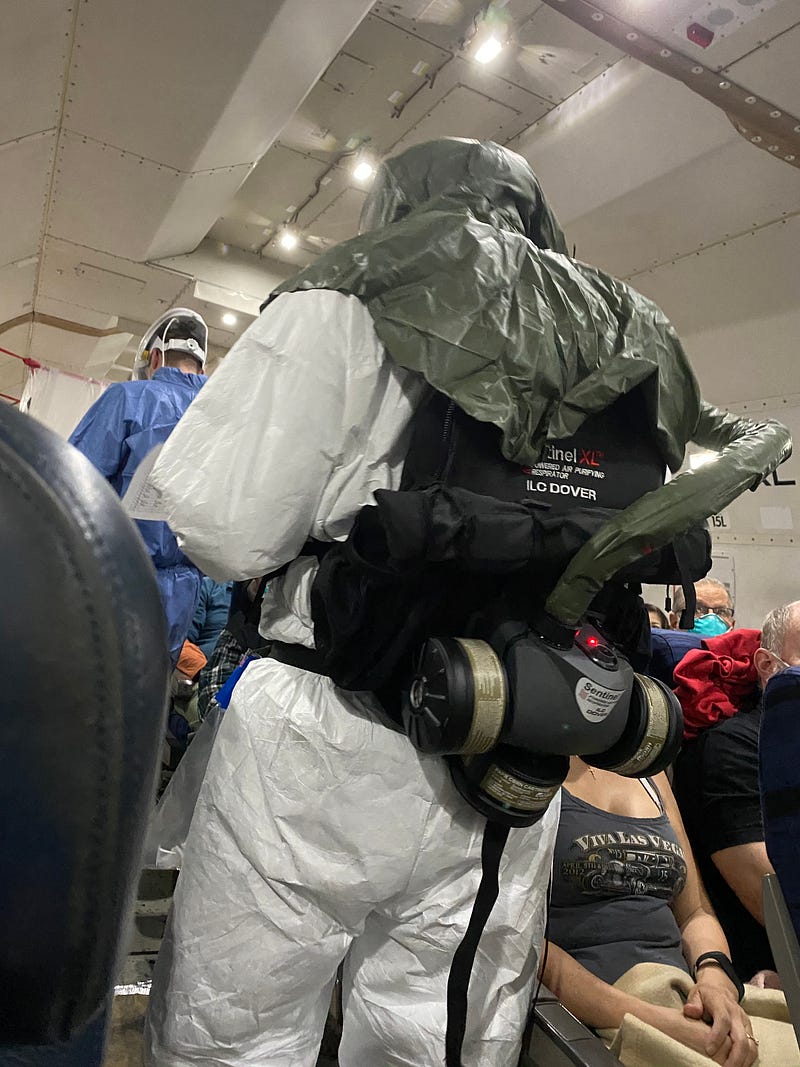
“And they couldn’t tell us if we were going to California or Texas, because they didn’t know,” Steve said. He added that he took sleep meds to knock himself out in order to make it through the long night. After more than 15 hours in flight, they landed in San Antonio, Texas.
It was a drizzly foggy day, but Steve said tears sprung to his eyes and Sommer said she wanted to kiss the ground when they finally stepped down onto American soil and heard applause and fanfare from those waiting to greet them.
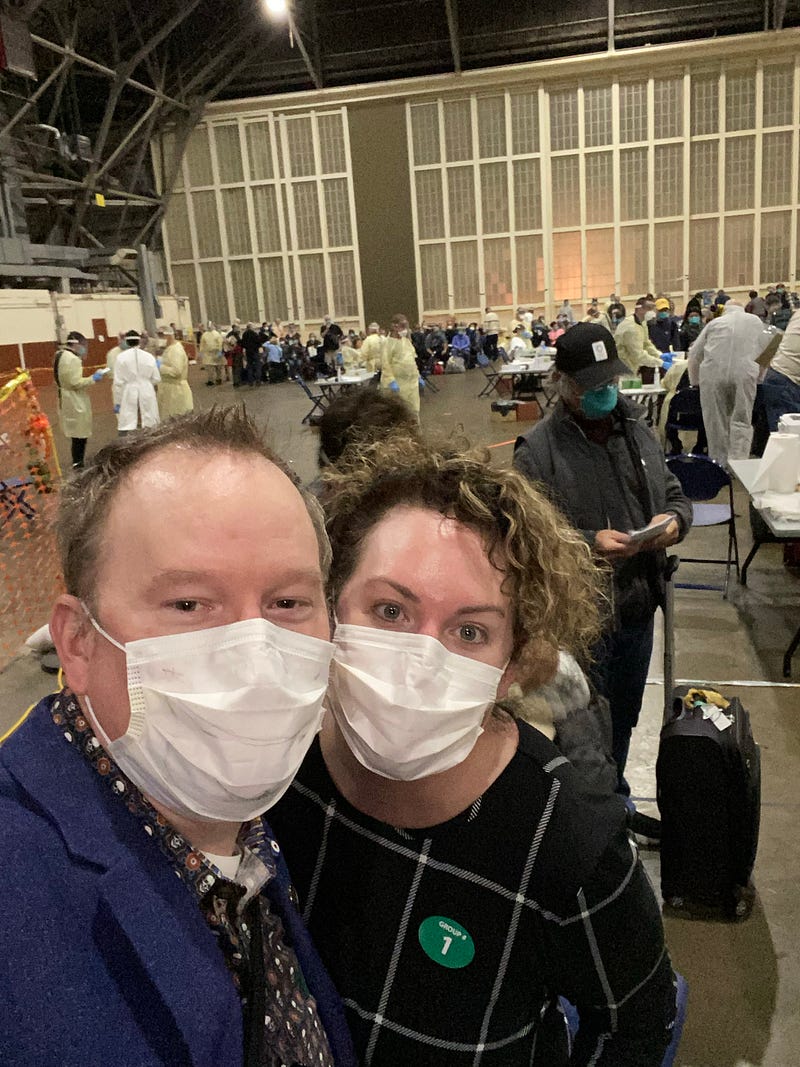
They passed quickly through customs in the hangar. Their bags were sprayed down with disinfectant, then they were transported to their new lodgings, former officers’ quarters at Lackland Airforce Base. Though there were written instructions in their rooms, it was unclear at first whether they were even allowed to go outside, and soldiers on the base were told not to fraternize with the passengers.
Eventually they were allowed out for walks each day, and food was brought to them in wagons by soldiers in masks, gowns, gloves and face shields — the same uniform worn now by the“soldiers” on the frontlines in our hospitals.
Each morning at dawn, bugles blared the familiar military wake-up call, Reveille. And in the afternoon they heard the solemn Taps cry carried throughout the base.
But other than the comforting patriotic melodies projecting over loudspeakers, the passengers received no formal communication about the plan or timing of their quarantine.
They tried to make light of the situation, but it was pretty miserable.
Sommer said that by Day 3, she had just had it. She wanted answers. She went down to the gate and demanded answers.
“Do you realize that we are people in here? We are not just Diamond cruise ship passengers. We have families, pets! Do you have a daughter? How would you feel if she was being treated like this? You guys need to give us some information,” she screamed.
Steve said he watched his wife’s rant and felt powerless to do anything to comfort her. He and everyone else felt exactly the same. She was giving voice to the frustration they all felt. He didn’t have the heart to do anything, but went and got her parents and they were able to coax her away from the fence.
“Look at what you’ve done to my daughter,” her mom cried. “She’s a surgeon!”
Sommer’s powerful display of emotion produced results, and the next day there was a town hall meeting by telephone, and another one each day after that.
“Why did it take three days to get any information,” Sommer asked. She said that not knowing what was happening was the scariest part. The passengers had just come out of 12 days quarantined on a cruise ship and now they were somewhere new, with an entirely new routine and no idea of when it would end. They were ready to start planning their lives. They were also frustrated to learn that other ships weren’t quarantining their passengers. And by the time they returned to the U.S., Covid-19 had started to spread despite the ship’s passengers being kept away.
“We went through all that quarantine and now it’s still here anyway,” Sommer said. “It’s like they put us through that for nothing.”
I couldn’t help but correlate their experience and their emotions to that of a cancer patient, or any patient, facing a scary diagnosis or being stuck in the hospital, waiting for communication from doctors, eagerly anticipating their discharge.
I believe that once Steve and Sommer recover from the trauma and disruption this experienced caused, they will find it has given them new reserves of empathy and understanding of their patients, and has made them even better medical professionals.
In any case, they say it’s good to be home, even if life looks a little different back home these days.