
Insanity along the Seine River- Part 2
A day in the Latin Quarter of Paris
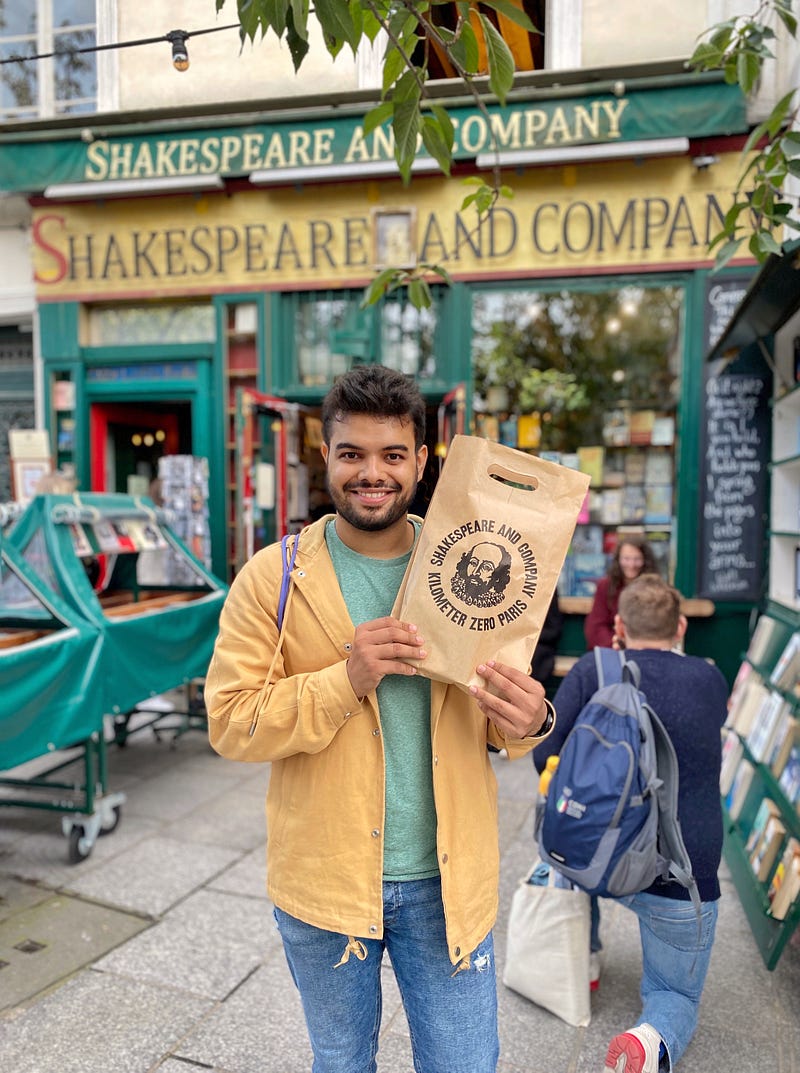
In the previous article, we took a stroll around the Île de la Cité and visited the Sainte Chapelle and Notre Dame. Next, we will cross another bridge towards the south of the island and head over to the Latin Quarter. If you are expecting exotic fruit stalls, salsa, and bachata dancing, it is not that kind of a Latin neighborhood.
With its historical roots dating back to the Middle Ages, the Latin Quarter earned its name due to its association with academia, where Latin was the predominant language. This scholarly history continues to attract students, infusing the area with youthful energy and vibrancy. The proximity to universities also means an abundance of eateries and budget-friendly food options for budget travelers. I took advantage of a lunch coupon, possibly from Groupon, offering an appetizer, one main course, and dessert for 20 euros — a testament to the great deals available through such platforms.
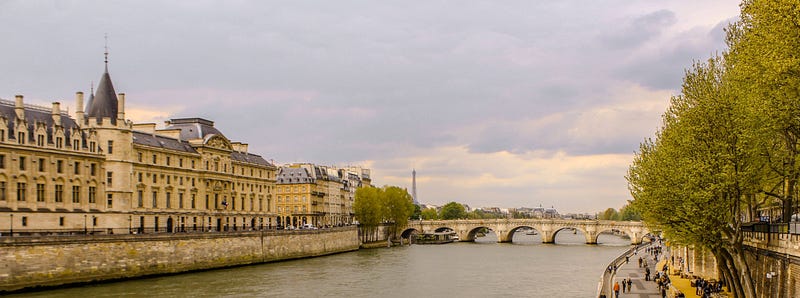
Indeed, while the Latin Quarter may not boast exotic food stalls or lively Latin dancing, it compensates with a different kind of vibrancy. This neighborhood pulsates with the energy of vibrant young people, offering a plethora of diverse food options, and exuding a lively and dynamic nightlife. The lively atmosphere, diverse culinary experiences, and the constant hum of youthful activity make the Latin Quarter an exhilarating and culturally rich destination within Paris. Each corner of the quarter seems to have its unique charm, contributing to an overall sense of vitality and excitement.
My enchantment with Paris was initially kindled by the film “Midnight in Paris.” The movie unveils its enchanting narrative against the backdrop of its captivating main soundtrack, casting a mesmerizing spell on the viewer with its imagery of rain-kissed bridges and winding roads. Ever since that cinematic experience, I harbored a deep-seated desire to explore Paris on foot.
Paris has been an eternal muse to writers and artists hailing from every corner of the world. The notion that luminaries like Ernest Hemingway, Pablo Picasso, Salvador Dali, Gertrude Stein, and others would congregate at a Parisian café to engage in impassioned discussions on a multitude of topics is truly enchanting. Shakespeare and Company, in my opinion, comes remarkably close to embodying this romanticized ideal.
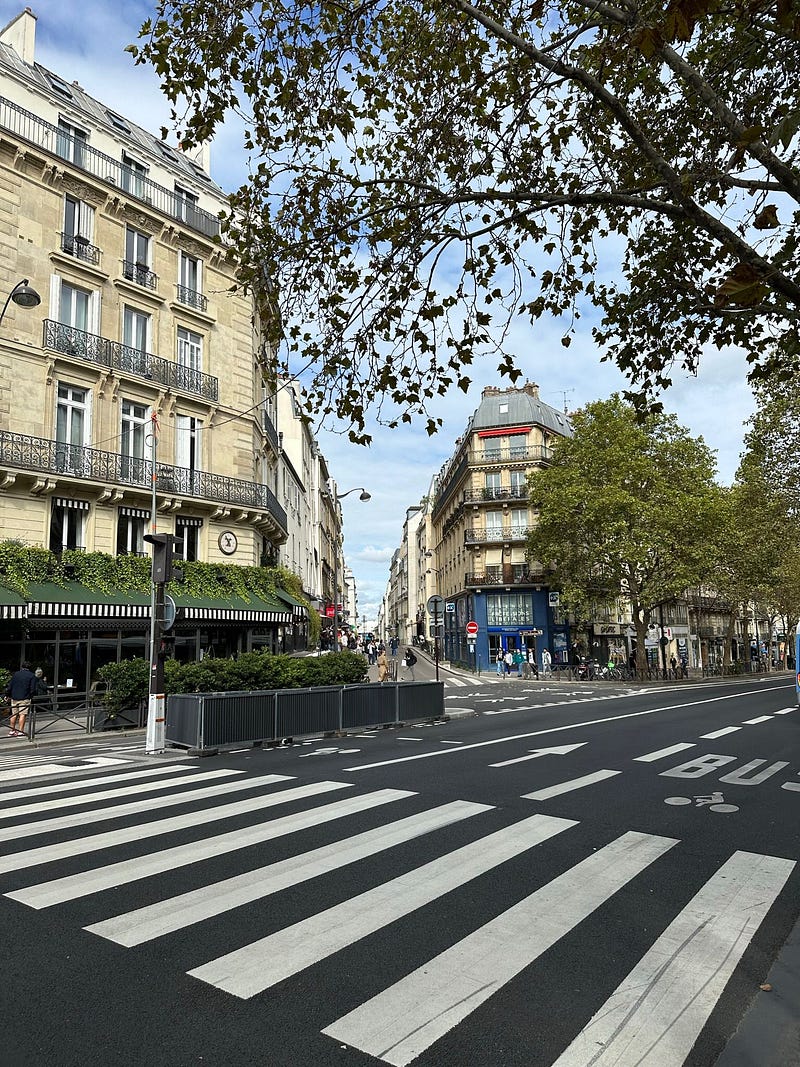
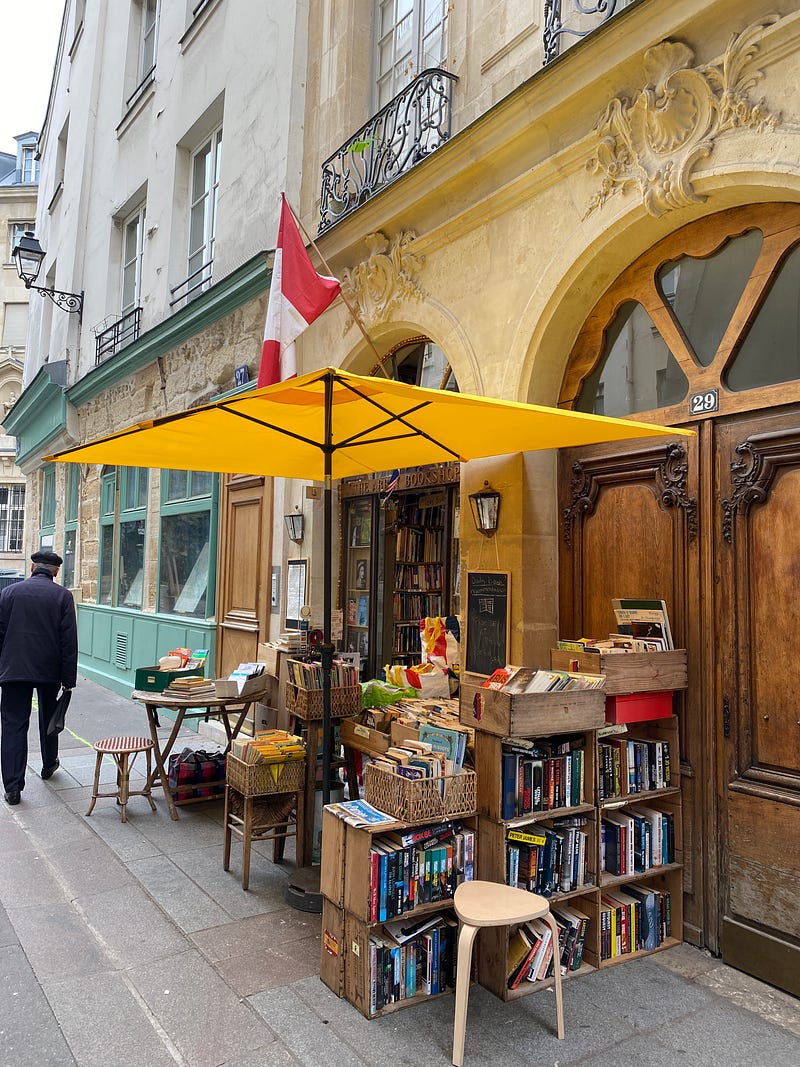
I’ve always had a penchant for exploring bookstores when I travel, and my anticipation was particularly high for my visit to Shakespeare and Company. This legendary bookstore, with a storied history, came into being in 1919, thanks to the vision of an American idealist named Sylvia Beach. Notably, luminaries like Hemingway and Fitzgerald were regular patrons of this bookstore. A testament to her unwavering principles, during the Second World War, Sylvia Beach chose to shutter her store rather than capitulate to the demands of the Nazis.
In 1951, another American, George Whitman, resurrected a bookstore at the same location, graciously bestowing upon it the same iconic name. Today, this beloved literary institution is none other than Shakespeare and Company, overseen by George Whitman’s daughter, Sylvia Beach Whitman.
For many years, George Whitman embarked on globetrotting adventures, relying on the kindness of strangers to provide him with temporary shelter, akin to the concept of couch surfing. He coined this practice “tumbleweeding.” Later, when he established Shakespeare and Company, he extended his hospitality to countless writers who sought refuge within the welcoming embrace of his bookstore. His guiding motto, “Be not inhospitable to strangers lest they be angels in disguise,” is prominently inscribed on the first-floor wall.
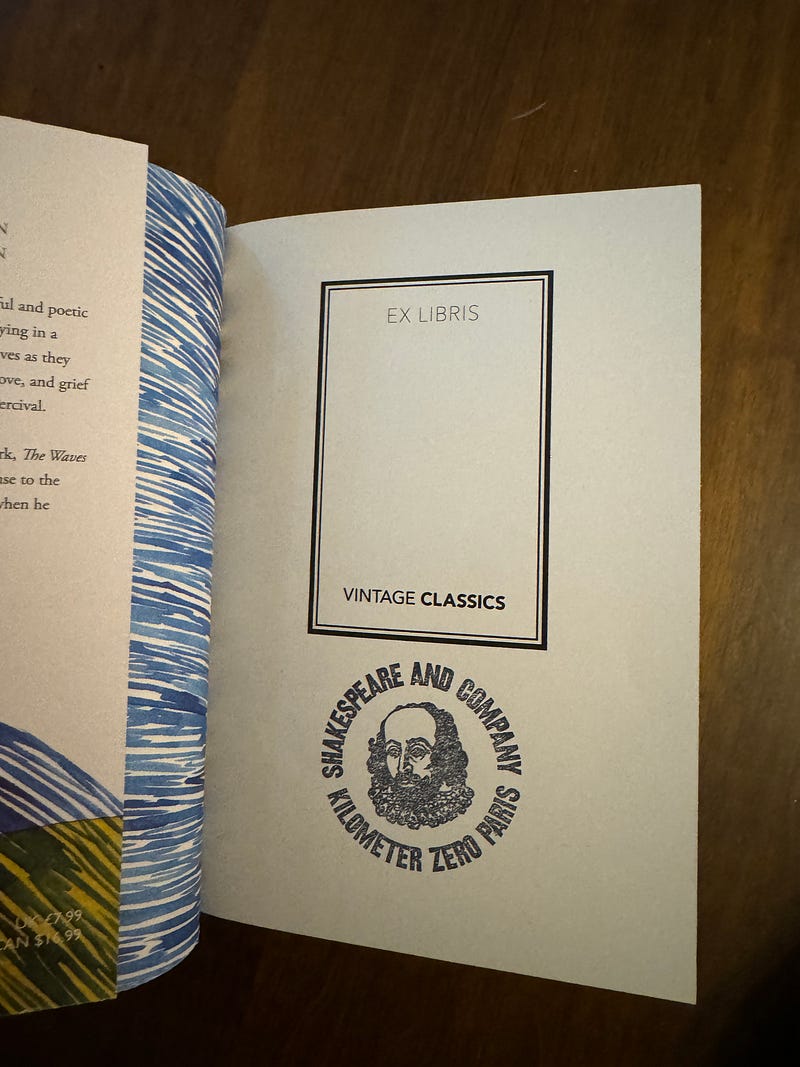
I began my exploration of this bookstore on its top floor, which serves as a library, before descending to the ground level. As I ascended the staircase, I came across a wall adorned with messages inscribed by visitors on small pieces of paper. It was a delightful experience to connect with fellow readers and travelers through these succinct yet meaningful notes. On the ground floor, an extensive collection of thousands of books is meticulously organized by both author and genre. Witnessing people perusing books and exchanging experiences was a heartwarming sight. This bookstore frequently plays host to various events, including talks and book fairs, adding to the vibrant and literary ambiance. I wanted to buy a classic from Shakespeare and Sons and get a stamp. I chose Virginia Woolfe‘s The Waves.
After my visit to the bookstore, I decided to wander through the narrow lanes of the Latin Quarter, eventually finding myself in Saint Michel Square. Constructed in the 1850s, this charming square boasts a magnificent fountain at its center, a creation commissioned by Napoleon III. Interestingly, Napoleon originally intended to have his own statue grace the square, but it was Saint Michel’s statue that ultimately took its place.
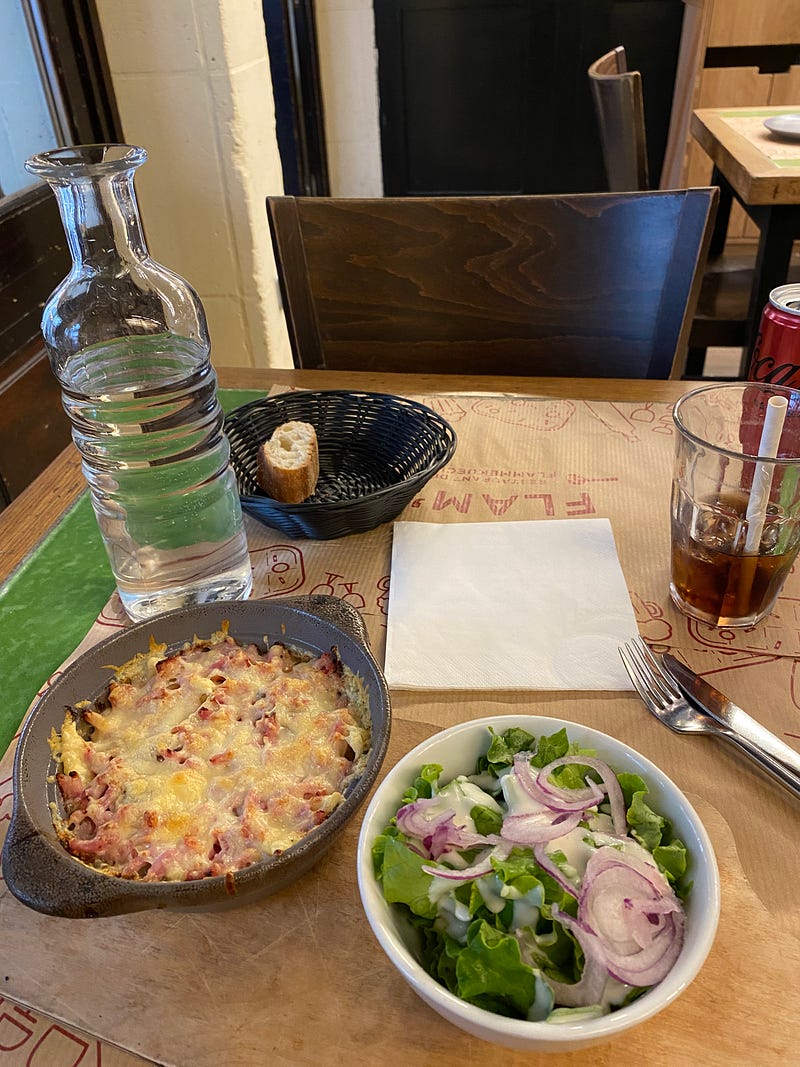
Exploring local cuisine, my culinary adventure in the Latin Quarter included trying the French version of Käsespätzle, a renowned South German noodle dish, and Pflammkuchen at a nearby eatery. It was a delightful blend of cultural exploration and gastronomic indulgence in the heart of this historic and lively Parisian neighborhood. I had my doubts about it but it really was delicious.
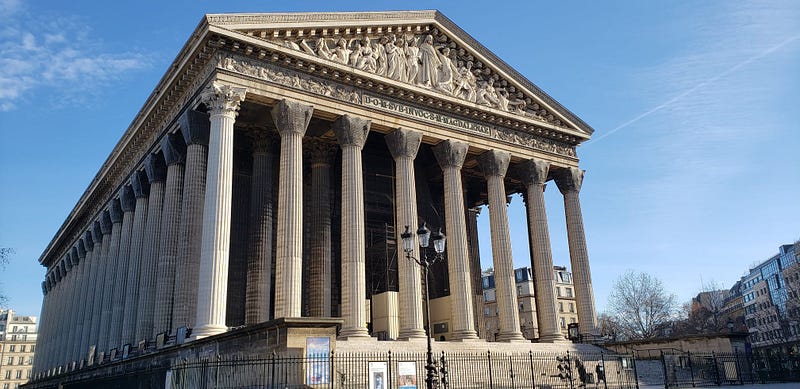
After having lunch, I headed off to the most famous attraction of the Latin Quarter, the Panthéon. Panthéon is a symbol of French values. Many of France’s great personalities have found their way to eternal peace at Panthéon. Until the construction of the Eiffel Tower, the Pantheon was the tallest building in Paris and it was originally built as a church dedicated to St. Genevieve, the patron saint of Paris. The construction of the church began in 1758 under the architect Jacques-Germain Soufflot, commenced by Luis the XV. However, Soufflot did not live to see its completion, and the construction was finished by others. The Panthéon was completed in 1790. The Panthéon’s purpose has undergone various transformations over many decades, alternating between serving as a church and the Panthéon. In 1885, it was definitively repurposed as the Panthéon — a temple dedicated to great men (and women).
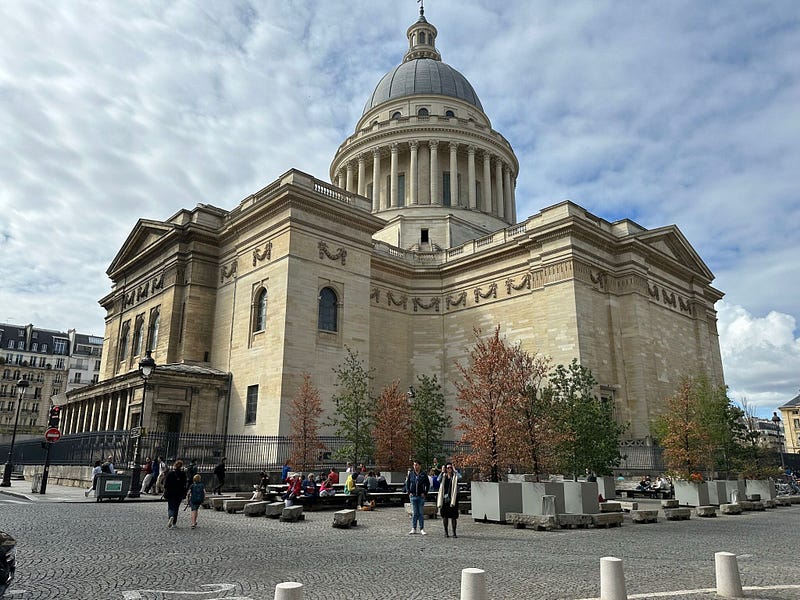
Among the distinguished figures resting within its hallowed walls, Madame Marie Curie holds a unique place. She is not only among the luminaries commemorated here but also the first woman to be interred at the Panthéon. For a science enthusiast like me, the presence of Madame Curie’s resting place undoubtedly adds an extra layer of significance to the Panthéon’s legacy. It’s a testament to the Panthéon’s role in honoring and immortalizing the contributions of remarkable individuals throughout history.
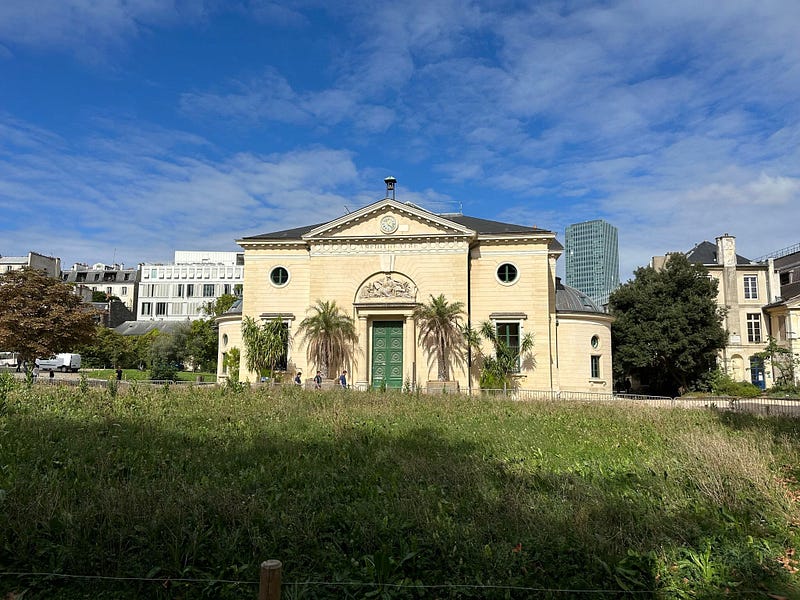
Following our visit to the Panthéon, we strolled over to the nearby Jardin des Plantes. It was originally created as a medicinal herb garden in 1626 by Louis XIII’s physician, Guy de La Brosse. The garden is a part of the Natural History Museum of Paris. There is a beautiful rose garden and an Alpine garden in Jardin des Plantes. It houses numerous species and varieties of plant species, making it a valuable resource for scientists and botanists.
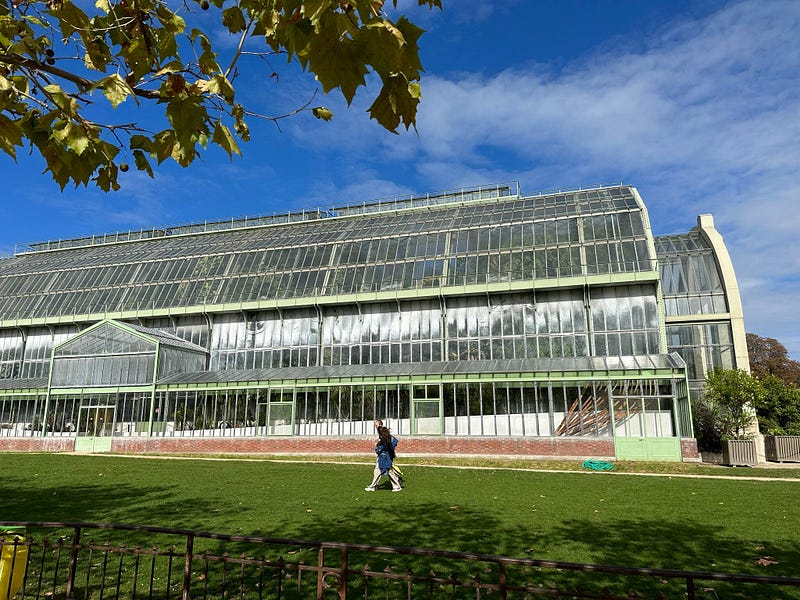
This expansive and tranquil garden provided a perfect setting for a leisurely walk or perhaps the opportunity to lose oneself in the pages of a good book for those who do not want to visit the museum.
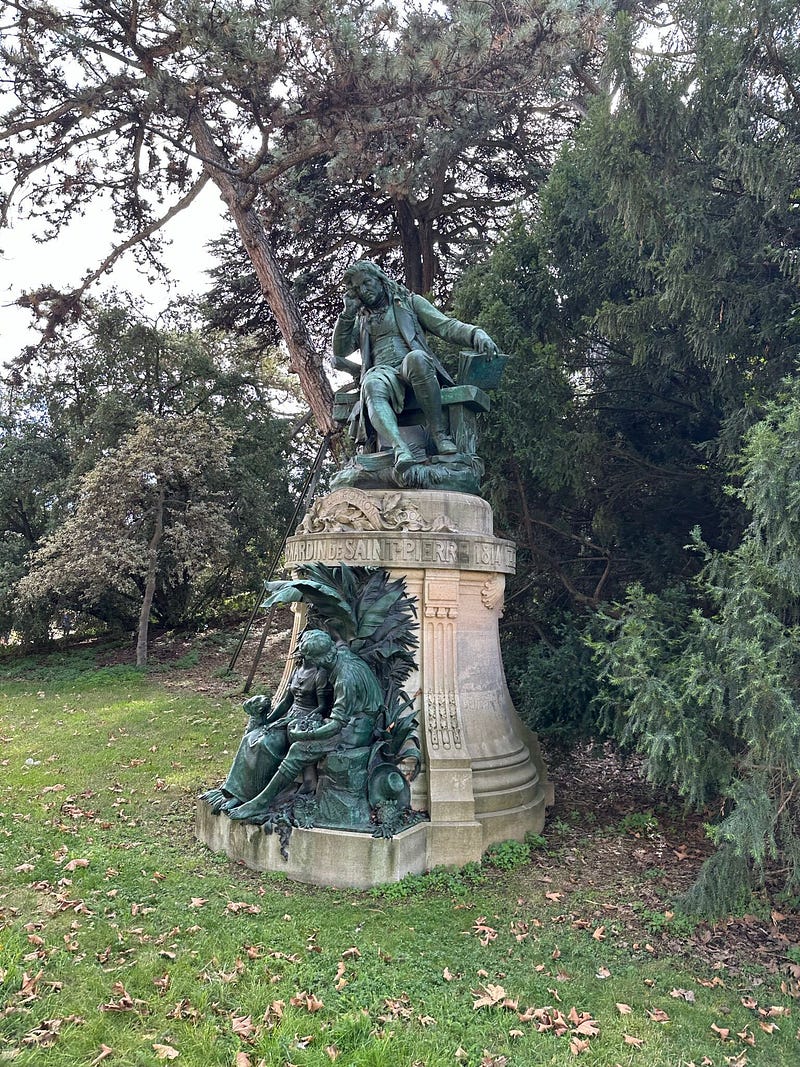
After immersing ourselves in the serenity of the garden, we decided to cap off the day with a well-deserved drink and headed back towards the Pantheon. Our choice was the Bombardier, a nearby pub that offered a delightful atmosphere for unwinding with friends. The pub provided a welcoming ambiance, complete with refreshing drinks and enjoyable music — a fitting conclusion to a day filled with cultural exploration and relaxation in the heart of Paris.
Thank you for reading my article.
They say good ideas are inspired by coffee :) you can buy me a coffee here


