
Innovation and Technology in the Beauty Industry
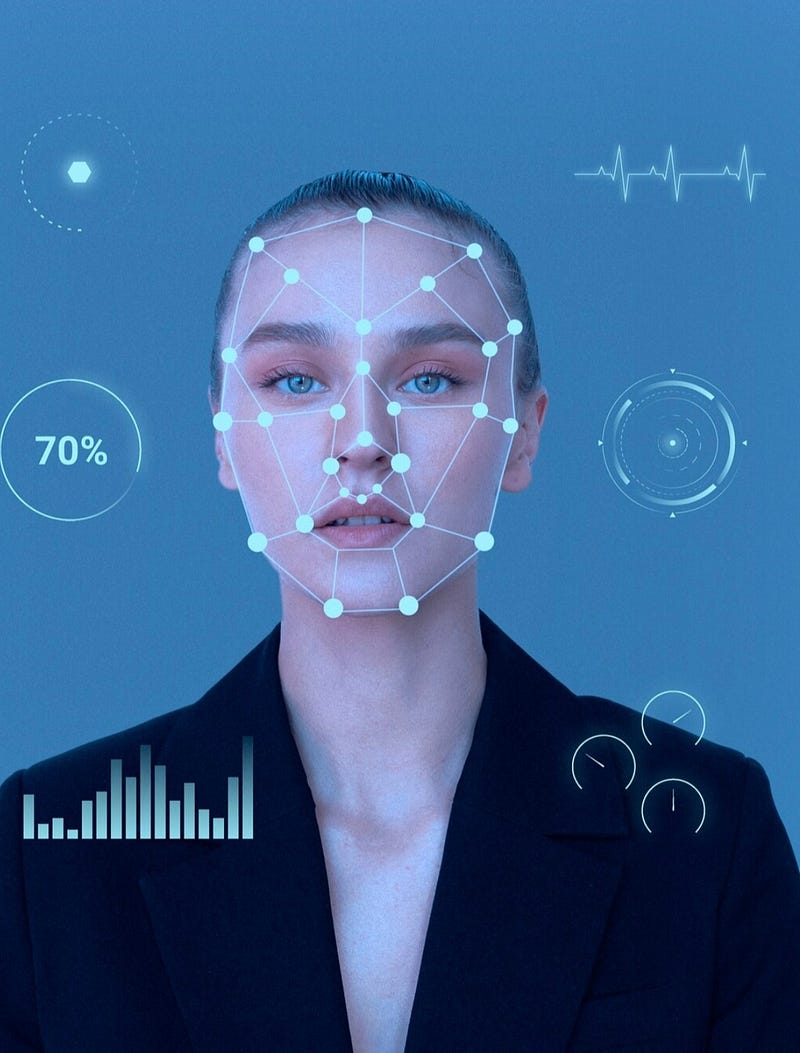
The beauty industry has undergone a significant transformation in recent years, driven by advancements in technology and a surge in innovation. From skincare to makeup, haircare to fragrance, technology has revolutionized every aspect of the beauty industry, reshaping how products are developed, marketed, and experienced by consumers.
One of the most notable areas where technology has made its mark is in skincare. Innovations such as wearable skincare devices, personalized skincare solutions using AI and machine learning, and the integration of smart sensors have allowed consumers to take a more proactive approach to their skincare routines. These technologies offer personalized recommendations based on individual skin types, concerns, and environmental factors, providing consumers with tailored solutions for their specific needs.
In the realm of makeup, technology has led to the development of smart makeup tools and augmented reality (AR) applications that allow users to virtually try on different products before making a purchase. This not only enhances the shopping experience but also enables consumers to experiment with new looks without the commitment of purchasing multiple products. Additionally, advancements in formulation technology have resulted in long-lasting, smudge-proof, and highly pigmented makeup products that cater to the needs of today’s busy lifestyles.
The haircare industry has also seen its fair share of technological innovations, with the introduction of devices such as smart hairbrushes and scalp analyzers that monitor hair health and provide personalized recommendations for improving hair quality. Furthermore, advancements in hair color technology have made it possible to achieve salon-quality results at home, offering consumers greater convenience and flexibility.
In fragrance, technology has played a crucial role in the development of innovative scent delivery systems, such as fragrance-infused textiles and customizable fragrance cartridges for personal devices. These advancements not only enhance the longevity and intensity of fragrances but also offer consumers new ways to experience and interact with scent.
Moreover, the rise of social media and digital marketing has transformed how beauty brands connect with consumers, allowing for more targeted and personalized marketing campaigns. Influencer collaborations, virtual beauty consultations, and interactive online communities have become integral parts of brand engagement strategies, enabling brands to create deeper connections with their audience.
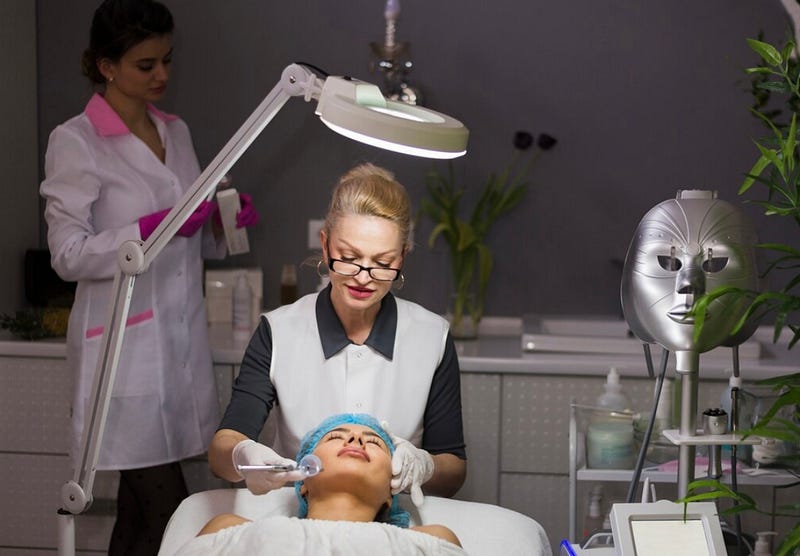
In conclusion, technology and innovation have become driving forces behind the evolution of the beauty industry, enabling brands to create more personalized, effective, and engaging products and experiences for consumers. As technology continues to advance, we can expect to see further disruption and transformation within the beauty industry, shaping the way we perceive and interact with beauty products in the years to come.