
Influencers are the Reason You Have a Job (You’re Welcome, Social Media Marketers)
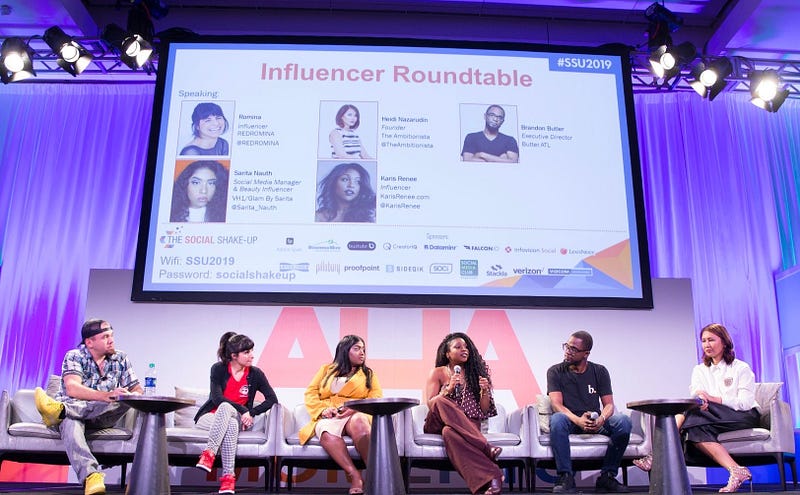
In my latest podcast episode, FomoFanz Ep 119, I talk about the role of influencers in the last decade. Before getting too far into that though, it’s worth noting that the 2010s were not when influencer work started.
Influencers As We Know Them Today
Influencer work has been around as long as advertising, marketing, and business, in general, has been around. Consumers have been influenced by people on billboards, tv shows, and magazine ads forever.
Social media simply amplified the work done by traditional influencers and opened a new lane for the everyday person to become influential. Like I’ve said before, social media has given everyone a microphone.
What we’ve seen happen in the last decade has been the merging of the traditional influence work and the reach and transparency of social media. Now, we have influencers of all shapes and sizes constantly working to build trust and influence within their community.
My Journey to Influence
In 2010 I was an evangelist for a tech startup. I didn’t consider myself a content creator or influencer at all. Really, I didn’t consider myself a player in the influencer game until 2014 when I was named one of the Top 25 Influential People in Social Business by The Economist. That’s when the game changed.
After that article went out I got very into the influencer game. I was being hired by major tech companies for all sorts of “influencer duties” — making appearances, tweeting out that I was somewhere, live-tweeting events, showing behind the scenes, you name it.
At the time, the agreements were basically “we will give you access to all of this, just put it out there.” The deliverables that were expected from me were transcriptions of the tweets I put out during the event and that’s it.
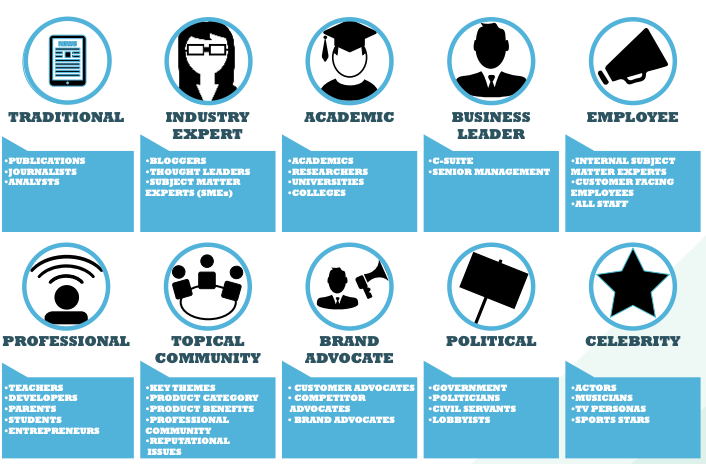
There were no metrics to report, brands didn’t even know what to ask for. The people that hired me were just trying to prove to their CMOs that influencers were important and social media was valuable. Keep in mind until 2016, brands and executives were still trying to wrap their heads around the value of “social media marketer” or even what a successful social media strategies looked like.
How Influencers Drove Social Media Marketing
My first deals with were through communications and public relations departments. When I would ask them what their goals were, nobody could tell me a straight answer. They were paying me $4,000/ $5,000 a day to just push out content because they knew it’d get seen.
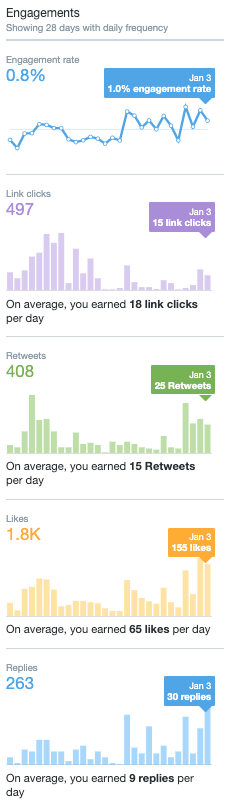
So, when I would report back, I’d give them everything I had: raw data, raw files, screenshots, insights, you name it. I always gave brands back more than they asked for because it would build their trust with me, but even more so it would teach them what to look for!
I wasn’t the only one who did this. See, influencers understood what they were doing. We were the ones who knew that we were making waves with our community, our community would tell us straight up that we were! Influencers just had to go through their notifications and they could see that they were starting meaningful conversations and getting people motivated and interested in certain brands.
The Changes Made
- CMOs started valuing social media (reach, specifically). You don’t know what you don’t know until you know! These brands just needed guidance because they were not the subject matter experts, they just saw that something was working. All it took was a few people to show them proof and for platforms to start showing uniform data to get the ball rolling.
- Consumers got smarter. In 2010, as consumers of content, we were not very well equipped with information. All of the data in the world was not at our fingertips, we weren’t carrying our phones with us everywhere or accessing the internet hundreds of times a day. Today consumers are more connected than ever and they can see through the lines.
The sum of these two things has resulted in consumers requiring more information and transparency from brands.
Brands are now REQUIRED to show up and have authentic conversations with their consumers. More so, they are required to do this over social media.
Influencer marketing is projected to be a $15 billion market by 2022 and I firmly believe influencer marketing in 2020 and beyond will look nothing like the early days as long and it’s value will be felt across the business like never before as long as we are focused on learning from our mistakes while embracing the importance of data, technology and transparency.
Want to listen to more of my take on this give this episode of FOMOFanz a listen below and check out my speaker website for my 2020 programs where I’ll be talking more about influencer marketing.
Cheers!!
—
Brian Fanzo is a Pager-Wearing Millennial Keynote Speaker, Translator of geek-speak, change evangelist, podcast host, emcee and keynote speaker on social media marketing, cross-generational communication, innovation, influencer marketing and digital empathy!