
Influencer Culture and Our Mental Health
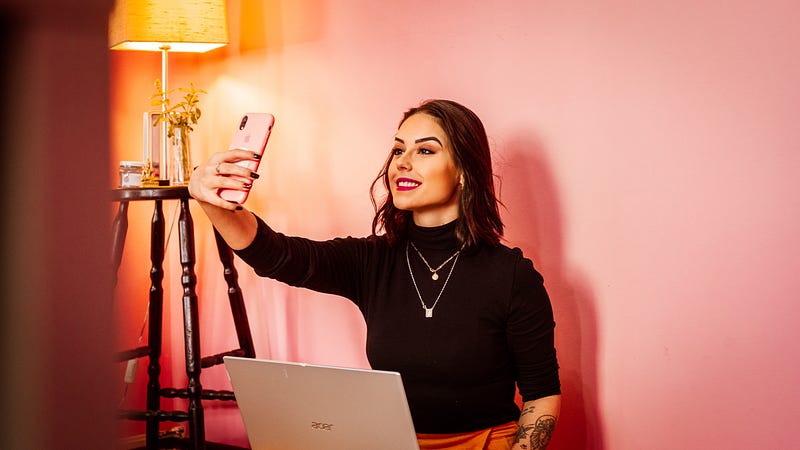
The digital age has given rise to new sets of opportunities for people. You can get a job as managing some company’s social media platforms by promoting and responding to consumer inquires. That’s just one of them, there are just so many more job titles created by this new phenomenon.
But one of them that is the most striking to me especially because it resonates with young people so much is the job of influencers.
And, I’m talking about your non-celebrity, regular-next-door-neighbor-turned-into influencer type people.
During my university years, many of my friends followed people on their Instagram accounts and would routinely tell me about the Victorias, the Nicoles, and God knows who else I can’t even remember their names now.
The reason why I can’t remember their names is because there are just so many GODDAMN MANY INFLUENCERS and I think that’s partly the problem.
Look, within the celerity culture where your favorite actor/actress/singer life seems appealing because of the glitz and glamor (although this has its own sets of issues) our obsessions make sense.
These people give others hope about how maybe we can someday land on the big screen, they have talent because they can act/sing, and they are adored by millions while making millions and we are greatly interested in their personal lives (again, this seems great, but this has a whole set of issues too).
But coming back to influencers, there are thousands of them out there with each of them having thousands of followers. Each post they make, they get paid for it. My friends would literally purchase every and any product endorsed by these “influencers” and these products usually were about giving you better skin, or hair or even help in weight loss. But, of course, these products never helped, and they weren’t cheap either. But that didn’t stop my friends from following them because they admired their lives. When you stalk through their accounts their lives look amazing.
A post with picturesque scenery in a beautiful dress with a cocktail in one hand somewhere off the coast of Italy/Greece. This sounds remarkable and just imagining this makes me yearn for it, so when we see someone living that life of course we would want it. It’s human to want that life.
And, I know we have heard it a million times that these posts are not real in the sense that they are heavily edited, the influencer probably took 1,500 pictures to pick the best one in their best outfit with the best makeup. But, all of that doesn’t matter when I feel shitty about my life and I’m scrolling through someone else’s feed who looks happy living a life I would love to live.
When there are so many of these people living that kind of life it’s hard to not compare yourself to it and want that. It would be an understatement for me to say that this has a very bad impact on our mental health, and I would just be reiterating what is basically said by everyone if I tell you “this is not real don’t compare yourself to them” because both those things are easier said than done.
Which is why I focus more on what meaning or value their lives serve and what meaning you give to your life. When you find something that gives meaning to your life everything else seems like white noise.
For me, when I came back from a whole day of helping people find the right psychologist for their mental health and reading their “you saved my life” messages in my inbox made my day worthwhile.
Helping other people made me feel better about myself so when I see someone’s entire lives depend on the number of likes they get it seems insignificant to me. This is at least one way I figured out how to not let social media interfere with my mental wellbeing for others it could be something entirely different. The whole point of this is that the influencer phenomenon won’t be stopped at least for the foreseeable future, and it is something that we would inevitably have to reckon with, so you have to figure out a way for it not letting it impact your mental wellbeing.


