
CONSUMER PRICES | ECONOMICS
Inflation and Stagflation 101
And why should you care
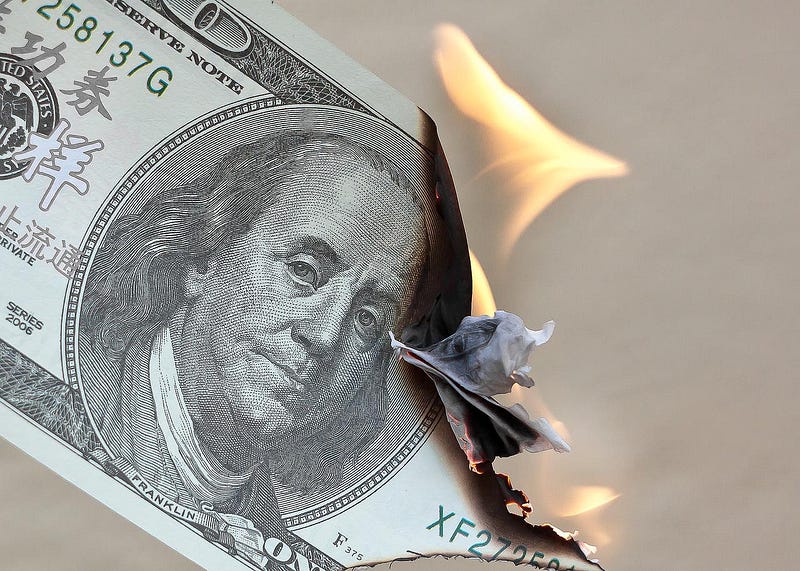
Why does inflation, and thus prices, rise? Let’s reword that to a better question: When do prices rise? They do when supply cannot meet demand. Either due to lower supply, higher demand, or both.
Global demand for consumer goods, fuel and energy since the start of the year has remained largely constant. What has dropped is their supply.
In June 2022 US prices got 8.6% higher than in June 2021, the highest inflation since 1982. In the UK inflation rose to 11% and is expected to reach 15% by the end of summer.
The only way inflation can drop is if supply increases to meet demand or if demand decreases to match the lower supply. The more the gap between supply and demand widens the more inflation will rise.
What’s far worse than inflation is stagflation (stagnation + inflation). In normal inflation demand rises and the economy ‘overheats’ while supply tries to catch up.
Stagflation emerges when supply drops due to low economic growth, major wars that obstruct production or distribution of goods and similar factors such as the COVID pandemic.
Stagflation is the worst of both worlds for central banks. The only tool they have to tame inflation is to increase interest rates in order to reduce demand and force it to match, or get close to, supply.
However when they increase interest rates, as the FED just did -they increased rates by 0.75%, the highest raise since 1994- they make borrowing more expensive, thus money supply is reduced, the economy contracts and unemployment rises.
That was the situation Paul Volcker, the chair of FED during the ’80s, found himself dealing with. At that time the US economy was in the same situation they are now but for different reasons. Volcker had two choices:
a)Do nothing, and let inflation rise through the roof, potentially destroying the US economy and even the US dollar itself (i.e. its global trustworthiness and attractiveness as foreign currency).
b)Raise interest rates aggressively to match inflation, which would strangle demand and force it to match supply, but also drive the country into a recession.
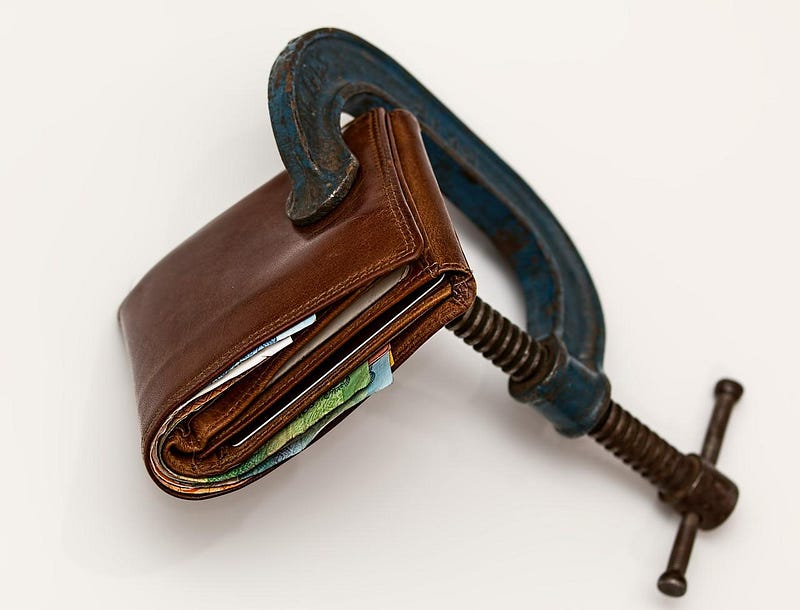
Volcker chose what is arguably ‘The lesser of two evils’: b)
The current chair of FED, Jerome Powell, has found himself in the same situation. For many analysts his 0.75% interest raise is low, and it came very late. Powell hesitates to be as aggressive as Volcker because he worries the FED will contract the US economy.
But unless the supply of oil, natural gas and basic edible commodities like wheat increase, that’s the only way to tame inflation: contract the economy.
I think Powell hopes the supply issues will be resolved and bides his time. He does not want to be blamed as the man who caused the next recession of the US; or even a global one. He’s not as bold as Paul Volcker.
What can you do? The bottom-up equivalent of an interest rate hike is to consume less. Be more frugal. Spend less on non essentials. When possible use public transportation instead of your car and, for the love of God, replace all your light bulbs with super efficient and very long lasting LEDs if you still haven’t.
The above apply globally, not just the US, but since Americans are the most voracious consumers I refer largely to them. I’m cautiously optimistic but I think, based on the global dynamics of the first half of 2022 , that the second half of the year is going to be tough for the finances of most of us.
If you’re not a Medium member how about joining via my referral link? You’ll support me and others, you’ll have someone show you the ropes and your monthly fee will be the same: