[Industry Talk Time] First Quantum Minerals CEO Talks Near-Term Impacts From Panama Copper Mine Closure
Sign up for [The Weekend Brief] newsletter by Areas & Producers
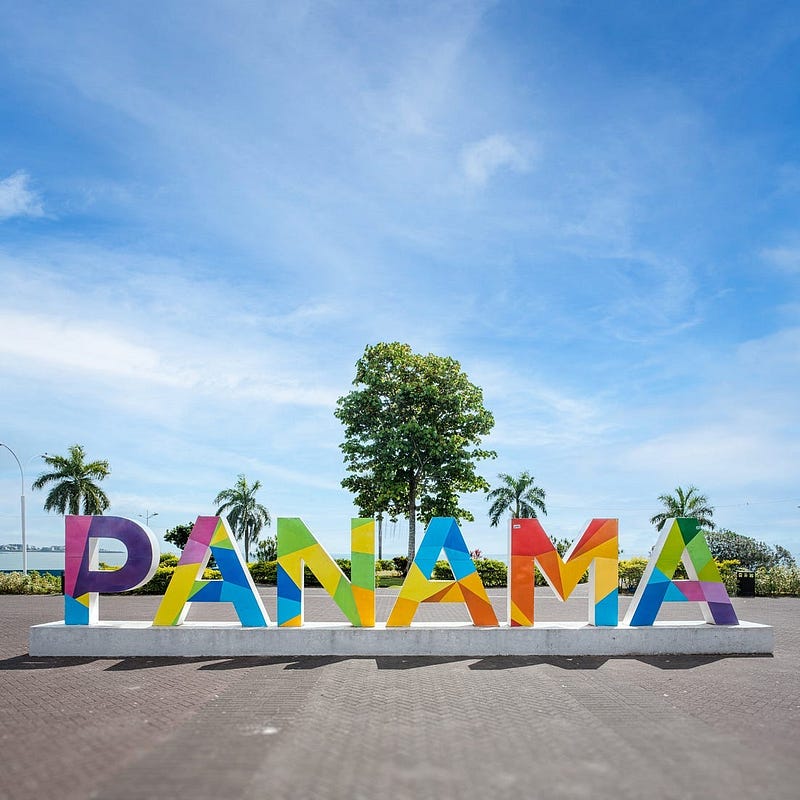
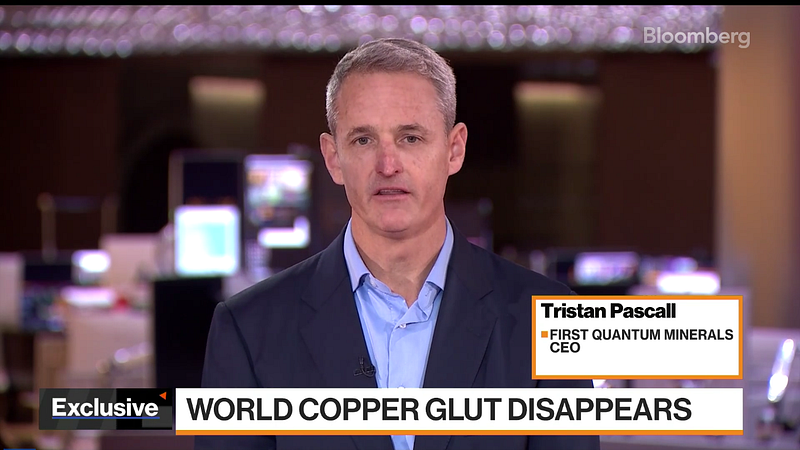
In a first appearance since the Panamanian Supreme Court decision to halt operations and expansion of a critical copper mine, CEO of First Quantum Minerals, Tristan Pascall, spoke with Bloomberg News about the company’s commitments to the mining operation going forward.
“Our focus is on the near-term and really that’s around the welfare of our employees, and they will certainly be affected by this, but also around the environmental realities of a closure that has happened so quickly.”
The issues over the copper mining project in Panama continued to spiral out of control leading up to the Supreme Court decision to close the mine. According to CNN’s account, two people were killed during one of the anti-mining protests leading up to the Supreme Court ruling. The coalition of anti-mining protesters in Panama include environmentalists, indigenous groups, teachers and construction workers, of which the latter have also formed a union in protest of First Quantum Minerals’ contract with the Panamanian government.
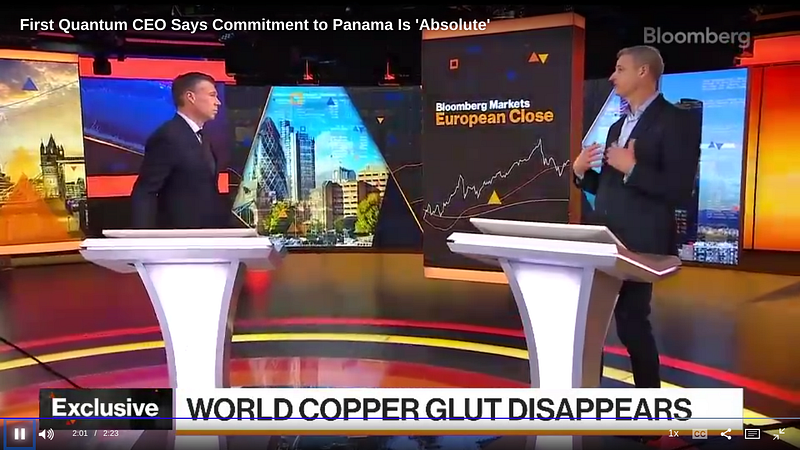
“We’re committed to the project. A lot of the questions around Cobre Panama [the copper mine’s name] are not unique to First Quantum. There’s been a moratorium put on mining in the country overall, so how does that resolve…”
Most people who are familiar with these events probably know that the global mining projects were not so high on the political agenda in 2022, even though issues in Peru and Chile had already begun to take hold of these future dilemmas. 2023 has been the year where all of these problems convereged in Latin America, such as in Panama and Brazil, but also starting conversations about the future of mining projects around the globe.
For example, in a previous edition of [Industry Talk Time], you can find that a global mining CEO talks about the impact from copper, energy transition strategies, as well as the Middle East war, all from the perspective of future trends affecting the mining industry.
Needless to say that geopolitical trends and domestic upheaval are critical factors in global mining projects — both now and in the future. The question is about which areas of the world will cause the most immediate impact to these global mining projects.
I think it is already quite obvious. The anti-mining protests in Panama will disrupt copper mining in Latin America, probably within the next six months (mid-2024), as other countries are already attracting more foreign investors into the Latin American mining sector, such as Peru and Argentina.
The Middle East war is a long-term problem, of course, as it pertains to a deeply interconnected web of regional (and international) politics. But I think this one is more relevant to short-term energy security concerns.
In conclusion, Energy and Mining are both making the headlines right now, for both economic and political reasons. That’s why we should be talking more about them in the context of current affairs and global trends.
Follow the publication Areas & Producers for more news stories and research updates about Energy and Mining topics.
This [Industry Talk Time] is part of [The Weekend Brief] newsletter by Areas & Producers: A weekend guide to international issues and global markets.
By signing up for [The Weekend Brief], readers would receive all of the weekly content and updates from Areas & Producers on the subjects of World, Tech, Business, Mining, Energy, Food, EVs and Trends. Sign up for the newsletter and instantly receive the content, to the e-mail inbox provided, every Saturday and Sunday.