
How to Beat Indecision and Procrastination in 2024
Simple steps to improve your life

Life is hard enough, but throw in a bit of indecision and procrastination, and it becomes a minefield riddled with quicksand.
Every minor decision becomes a significant investment of time and energy. With procrastination comes an endless cycle of wash, rinse, and repeat. Constant stagnation — nothing gets done, and life stalls.
So, why are some people like this? Why can’t you make up your mind and decide? The solution is simple for those who don’t suffer from this situation. Just make a choice and move on.
However, for the affected ones, indecision can be a crippling characteristic that leads to fear and anxiety. Many feel trapped in their self-created environment with no means of escape. Some cannot recognize their problem or decide how to deal with it once they become aware. It’s no laughing matter.
Why are people like this, and how do they get over the hump?
Let’s find out.
Bad Seeds
If these descriptions resonate with you, you’re not alone. Research has shown that 20% of adults suffer from indecisiveness or decisional procrastination.
You must dive into the issues’ origins and roots to understand these behaviors. Only then can you determine and implement steps to resolve the problem.
Home environment
How a person was raised and events from the home environment can play a crucial role in indecision and procrastination.
For instance, children who experience parental divorce have difficulty with relationship choices and commitments. Most have a negative view of marriage and have abandonment issues, which lead to procrastination and countless failed relationships.
Another situation involves being raised by an authoritative or strict parent. Often, children are “told” what is good for them, and as they grow up, they avoid making decisions out of safety concerns or fear of the repercussions of mistakes.
External pressure
Sometimes, bad decisions can be compounded when external pressure is applied to force a quick decision.
For example, when making a large purchase like a car or computer, a person will make poor decisions because they have limited information and focus more on relieving the pressure over making the best choice.
Social conformity is another example of external pressure. For instance, women face time frames for marrying and having children before a certain age. The resulting anxiety compounds commitment issues and often delays engagements, moving in with partners, and starting a family.
Similarly, a person looking to change jobs often needs to work on making choices when faced with multiple options. One job could offer higher wages and another less hours. Decisions are delayed when applicants fail to determine their requirements before the job search.

Internal pressure
Fear and anxiety are the leading causes of decisional procrastination.
When faced with these emotions, a person will often slow the decision-making process nearly to a halt. An intense research and informational gathering period usually follows this.
The resulting “information overload” only exacerbates the situation, and decisions are delayed or postponed entirely.
Another reason for procrastination is the fear of hurting themselves or others with their decisions. This scenario is more emotional than physical. People are concerned about self-image and the appearance of not being considerate of others’ feelings.
Growing the weeds
Decisional procrastination becomes progressively worse as we age.
Bad habits continue as decisions become more impactful. Fear and anxiety are amplified when a person witnessed or was associated with poor choices earlier in life. The memories of the trauma can be overwhelming and crippling.
An additional negative effect of indecision is poor physical and mental health. Doctor and dentist visits are ignored or delayed, resulting in associated health risks and underlying medical conditions such as obesity and type 2 diabetes.
Also, low self-esteem and negative body image issues can affect decision-making. If you or someone you know is consistently fashionably late to dinners and social engagements, indecision over outfits and appearance can be the reason.
Real-world examples
Before I provide examples, I need to make one thing clear. I don’t write about these situations to criticize or to blame. My goal is to show you how indecision can negatively affect your life.
It’s critical to inform you of the seriousness of procrastination and what we can do to prevent it. These stories are from a previous relationship I had with someone who was a wonderful and loving woman. We’ll call her Jenny.
Jenny is a C-level Executive Assistant. She’s worked for CEOs of software companies and major banks and investment firms. Jenny is a consummate professional. Her only flaw? She couldn’t make a personal decision to save her life.
Earlier in our relationship, we would go on dinner dates and gatherings with friends and family. We were never on time. By we, I mean Jenny. Because I was aware of her tendencies, I often reminded her of our engagements and would give her a time window to prepare. She blew it up every time.
Half of our arguments were about her tardiness, especially regarding her father, who was the drill sergeant for being on time. No matter how much he criticized her, she was late for every dinner and cookout.
Over time, dinner invitations stopped. People were fed up.
Jenny had always wanted to buy a house. She did just that. She found the home that needed the most work on the cutest street and made the purchase. It was a steal, but the house needed a ton of work and a new roof.
The roof was a mess. I know because I was a painting contractor for many years. I noticed it immediately. The inspector told Jenny the roof wouldn’t last six months. She procrastinated, and the roof got worse. One fall morning, during a hurricane, water started trickling into one of the bedrooms. I grabbed a ladder and climbed up three stories to the roof in hurricane-force winds and driving rain to tack a plastic tarp over the damaged shingles.
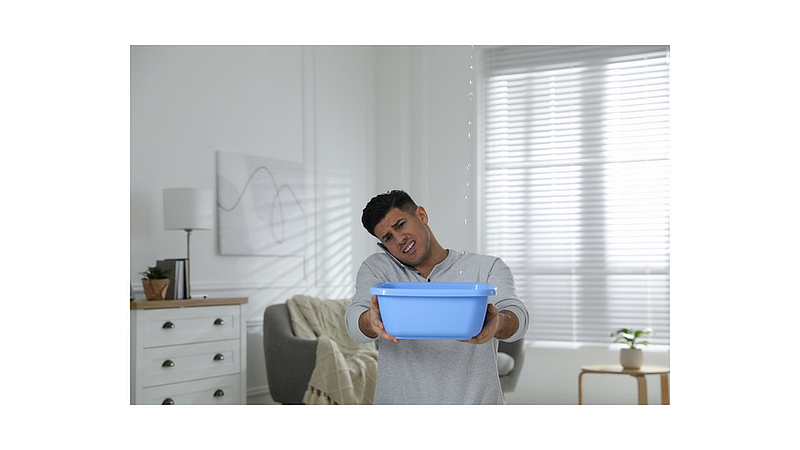
She finally installed a new roof.
Jenny wanted to remodel the kitchen and bathroom in her new house. So, she purchased expensive stainless steel appliances and had them delivered. Since the remodel included a different layout for the kitchen, all but the microwave and dishwasher were installed.
Next came the estimates for the remodeling. Jenny got three or four in total within six months. That was the first year. Over subsequent years, she had countless estimates from several contractors, including the ones who had given prior estimates. One by one, they stopped returning her calls.
Another project on the remodeling list was new windows. Jenny got three estimates from window manufacturers and installers. Because she was unbelievably detail-oriented, each estimate lasted between 4 and 6 hours. Due to her procrastination, time would lapse, and every 12–16 months, she’d schedule another estimate with the same companies.
A man who’d been there before came out and went through the estimating process during one particular window estimate. Four hours into the estimate, I noticed his face getting red. He became so irritated with repeating information repeatedly and Jenny asking the same questions that the veins in his neck and head started bulging out. The estimator was agitated.
The same thing happened for the air conditioning estimates. Never a decision, and nothing improved.
The Damage
Indecision and procrastination are not a joke. It can be a severe and debilitating thing. Initially, I tried patience, reasoning, and pep talks to help Jenny make decisions. It only resulted in her blaming me for applying pressure and confusing her judgment. I stopped giving advice and pep talks.
If you think indecision is no big deal, think again. Because of Jenny’s procrastination, the work on her house never started. As a result, she did not feel comfortable inviting friends over because she was worried about how the house looked. We stopped socializing.
I refused to go through a drive-thru to order food because Jenny could not decide about the same food she’d been ordering for decades. The situation never improved.

Eventually, Jenny and I went our separate ways. Nine years after the appliances were delivered to her home, the microwave and dishwasher were still in the boxes.
It’s a shame. I hope she’s doing well.
End the Cycle
The best defense is a good offense. The only way to combat decisional procrastination is through identification and understanding.
Other than seeking help from a licensed therapist (which is the best option), there are a few steps you can take to help make decisions more manageable and less stressful.
- Small wins
Start with less impactful decisions. You make small daily decisions, but have you ever made a list and checked off items as you go? Make a list of routine decisions like the flavor of your coffee or what you eat for breakfast. Each time you choose, mark the decision as completed. Performing this simple task provides a small victory and gives your brain a jolt of dopamine and a sense of satisfaction.
2. Acceptance
No one is perfect, and everybody makes poor decisions at times. Accept that you’re human and eliminate the stress and anxiety of the desire to be perfect. Understand that decisions have pros and cons, and sometimes bad decisions happen.
3. Prioritize
When faced with multiple decisions, list them in order of priority and work on the top items first. The key is not to overwhelm yourself. Plus, your confidence will increase when an item is crossed off, making decisions easier.
4. Mission Statement: Values and Goals
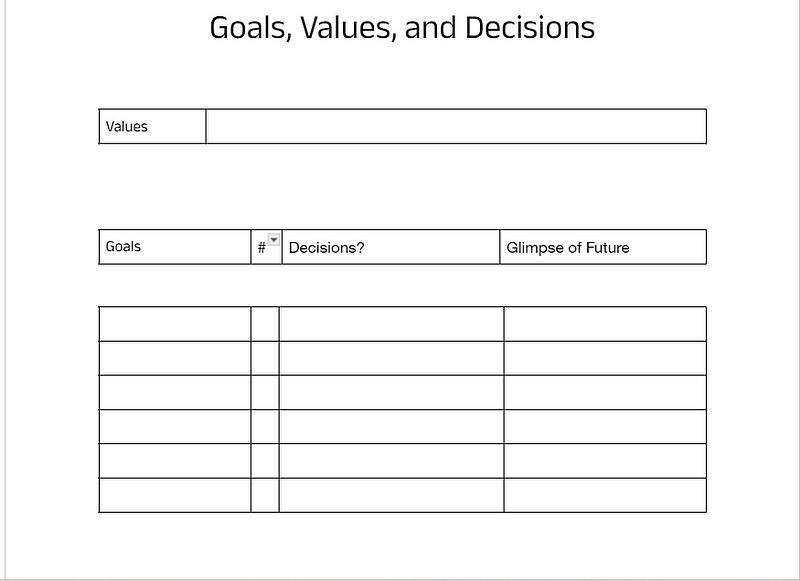
A more advanced tactic for indecision is to create a mission statement of your goals and values. Use an app or notepad, and across the top of the page, identify the values you hold for yourself ( e.g.honesty, integrity, kindness).
Next, start a list of things you want to accomplish, like remodeling your bathroom, buying a car, or changing careers. Prioritize the list and assign each a number from one to ten (one being the highest priority).
Beside each goal, describe some of the decisions involved with reaching the goal. Be specific. Now, determine if each goal aligns with your values. Do any of the items conflict with your values? Will they help or hurt your efforts?
If your goals don’t align with your values, change the goal until it does. Then, make decisions within each goal as they become necessary.
This trains your brain to focus and prepares you to make optimal choices. Plus, when you identify your goals, you create a mental bookmark before the decision process, which helps relieve stress and anxiety.
5. A Glimpse of the Future
It’s common practice to create a list of things you want to accomplish. But how many write down how their lives will improve after they decide?
For each goal, provide a glimpse of the future by describing how your life will improve based on your decision. This is a fantastic way of sparking imagination and gives you confidence for a positive outcome.
Create a similar chart like the one above or use a notepad.
6. Plan Ahead
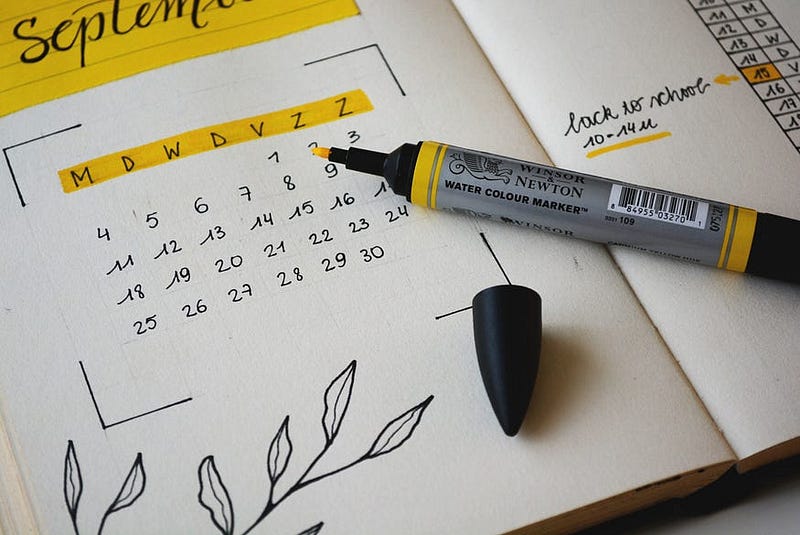
The above method works for anything, especially planning and scheduling. Use a calendar app and lists to schedule everything from brushing your teeth to grocery shopping. Scheduling is the best defense for procrastination and tardiness because you can create notifications as reminders.
Better Days Ahead
If you have trouble making decisions, you’re not alone. As you’ve seen, it’s more common than you think.
However, now we know that indecision and procrastination are not part of DNA but more a product of our environment. We don’t choose how we’re raised and what we learn.
But that was then. Today is a different story. Now that you’re armed with the right tools and knowledge of what decisional procrastination is, you’ll be better equipped to make better and quicker decisions.
This doesn’t have to be a resolution but more of a transformation. Remember, nobody is born an expert at anything. They become what they are through repetition and experience.
Start your journey today and make your glimpse of a happier future a reality.
Join my free newsletter for more great tips, valuable insights, and resources.


