
Incredible Jewish Custom of Cutting Clothes For Mourning
Keriah — a primary & immediate expression of grief mentioned in the Torah.
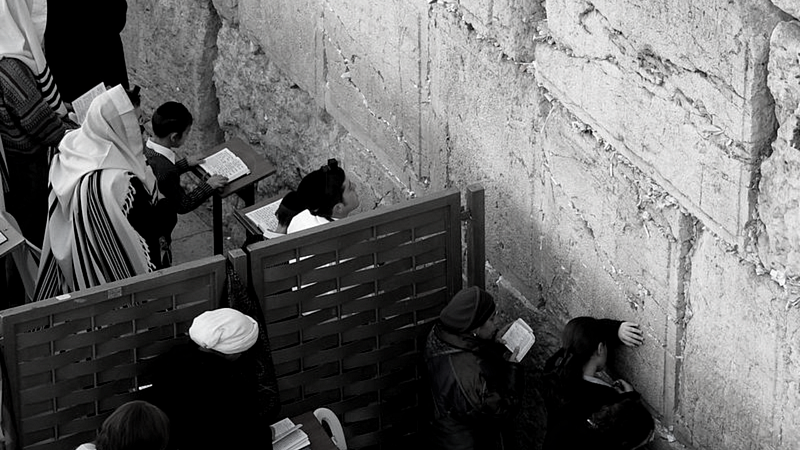

The loss of a loved one or a close acquaintance is a source of great sorrow, no doubt. And around the world, people have different customs and traditions to ease this grief.
According to Harvard Medical School, the most effective way to grapple with the loss of a loved one is through organized religion and performing specific rituals and rites.
In this article, I will focus on how the Jews in particular mourn the loss of life. For some, gathering at a cemetery, or praying in a mosque or a church might help bring solace and add meaning to the life and death of the deceased.
However, for the Jews, the sign of mourning is incredibly startling, and rather a strange custom. Since they cut their clothes! Yes, the Jews mourn the loss of a loved one by rending or tearing their clothes.
Hence, like every religion and culture has its own set of customs to help the bereaved cope with their loss, the Jews too have this incredible tradition. According to ‘My Jewish Learning,’ the Jewish practice of this tradition known as ‘Kriah’ is to release their grief and suppressed anger at the time of a loved one’s death.
Background of Kriah
To elaborate, Judaism views death as a double-sided coin. On one hand, their loss is a tragedy but on the other, they believe their loved one has not really left them; that the soul shall forever exist. So even if physically they no longer exist, in the spiritual realm, they very much do.
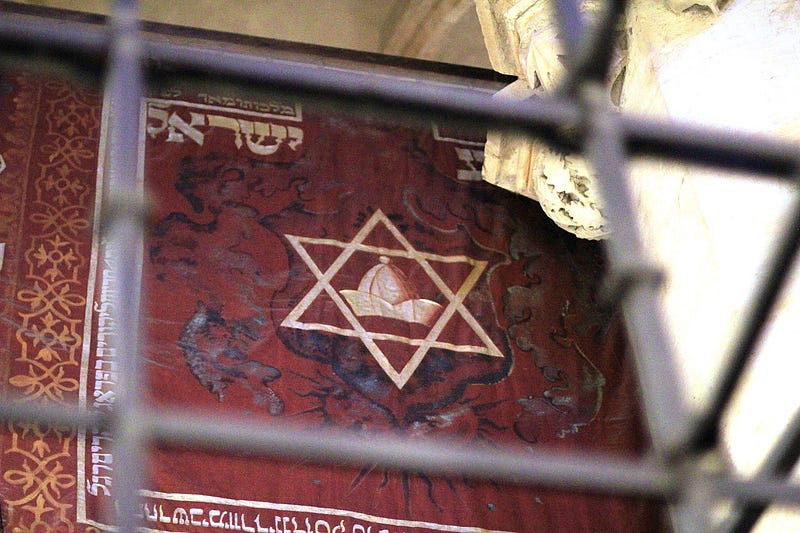

However, there is still a deep sense of grief nevertheless that ensues. So, along with mourning for one whole year, the Jews tear their clothes too. Historically, the Torah explains Kriah well.
It tells how Jacob, son of Abraham mourned the loss of his son by tearing his clothes. Similarly, David (Third King of the United Kingdom of Israel) also tore his clothes upon hearing that King Saul had died (via Chabad.org). Hence Kriah is an ancient practice, one that the Torah even instructs should be performed.
Kriah — The Rending of Clothes
It is usually done at the funeral home, before the funeral. It is always performed standing. For the parents of the deceased, a cut is made on the left side of the clothing.
However, for the rest of the relatives, it is made on the right side. Both over the heart. As the cuts are made, the family members recite blessings for the soul of the departed.
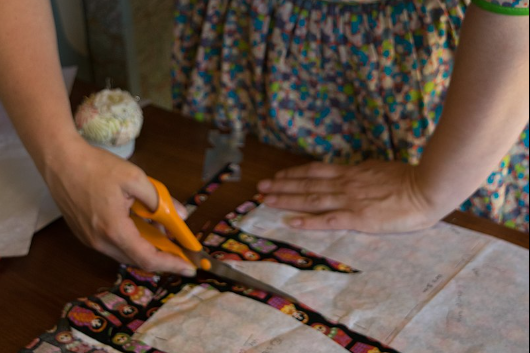

Rabbi Maurice Lamb, to Hadassah Magazine, explains how this whole practice is to give mental comfort to the mourners through a religiously-sanctioned act of destruction.
Apart from the reason outlined by Rabbi Maurice Lamb, there are several other reasons for this practice as well. In Actuality, the Rabbi generalizes the reason. So, it is natural that I go in-depth about the real reason behind the practice of Kriah.
An Expression of Solidarity in Times of Desperate Grief
According to various trusted sources, only the closest relatives of the deceased can perform Kriah. Namely, the parents, siblings, half-siblings, spouse, and children.
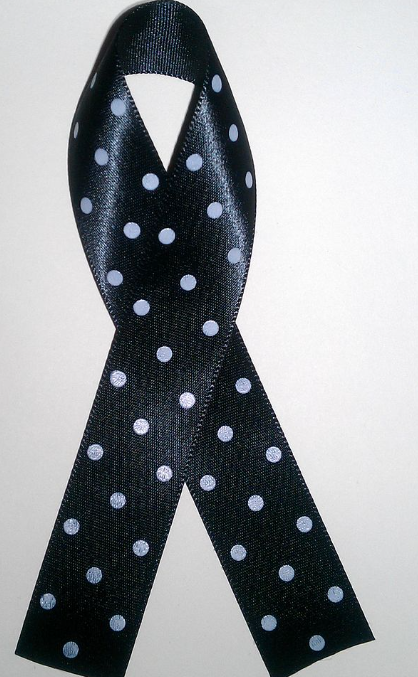

Orthodox Jews tear their garments while the Reform Jews are given a black ribbon, usually by the funeral director, to pin to their clothes. It shows that the family stands together in this trying time.
Inherently, it is a beautiful show of empathy and solidarity, a message that if anyone in the family suffers, the rest share that grief to make it easier to bear as well.
An Integral Part of the Traditions of Mourning
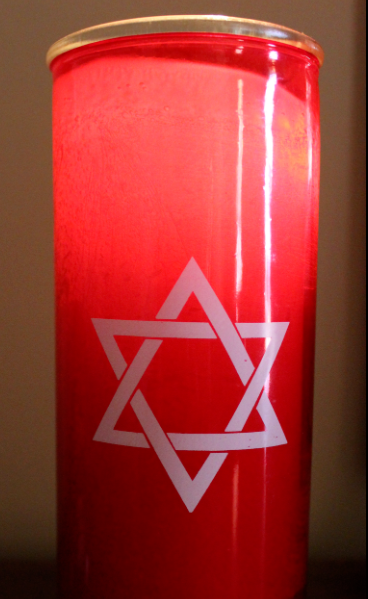
Kriah is a central and integral part of the Jewish mourning process. According to Jewish law, the relatives of the deceased observe a seven-day mourning period known as ‘Shiva’ after someone’s death.
#/media/File:Shiva_candle.png)
During this entire week, the bereaved must wear their torn clothes or the Kriah ribbon, not wash their clothes, sit on low stools and mourn for the lost family member. Similarly, some mourners wear their Kria ribbon or torn clothes during ‘Shloshism’ (a period of thirty days after the burial of the loved one) as well.
Likewise, the bereaved could even observe ‘value,’ a mourning period of 11 months. However, throughout these different periods of mourning, one thing that remains constant is Kriah since it is a sign for the world the bereaved is still in mourning.
What Do You Think?
Indeed, grappling with the loss of a loved one is a mentally strenuous and devastating task. How far do you agree that the practice of Kriah brings the family closer in times of grief? Had you heard of this before?

Do you have any similar traditions or customs in your religion and culture? I would love to hear them in the comments below!
Haloo, my dearest reader. Want to follow up more from me and other fellow writers on Medium?
Hop on the chance to join: