
In the field as a ‘Nat Geo Photographer’
Documenting Social Development in Northeast India
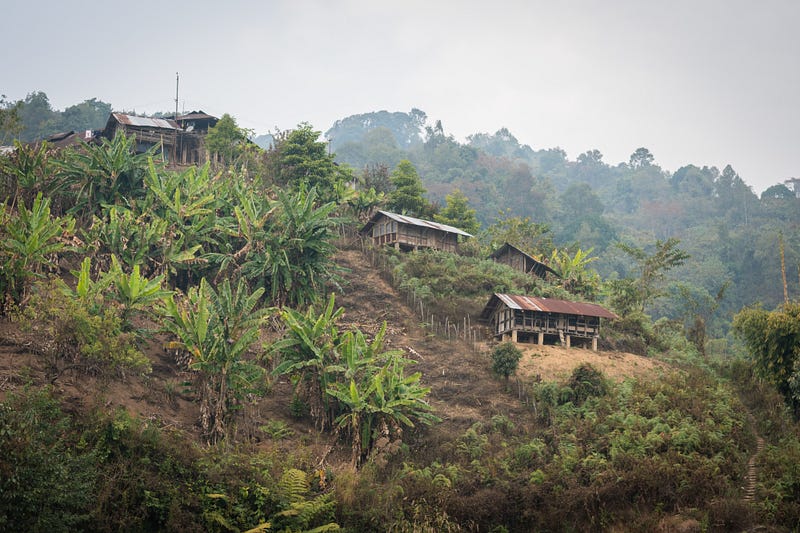
It’s a pretty remarkable transition: I’m standing in a pastoral, remote Indian village above the Papu Valley in Arunachal Pradesh (near the borders of Tibet and Bhutan) — bamboo huts with corrugated tin roofs, smoke from cookfires trickling toward the sky, goats grazing along the dusty road, villagers hammering away at projects; then I turn and take a few steps across a wooden threshold and find myself in a room containing a fully operational EKG monitor, blood pressure gauge, IV dispenser, and vaccine refrigerator, none of which was present the day before. This equipment had been shipped from Delhi to the far reaches of the Indian frontier, installed in an under-equipped rural health center, and powered up via solar panels all implemented by Global Himalayan Expedition (GHE). Having been present for the latter two steps of this initiative, I can attest that this is no small endeavor.
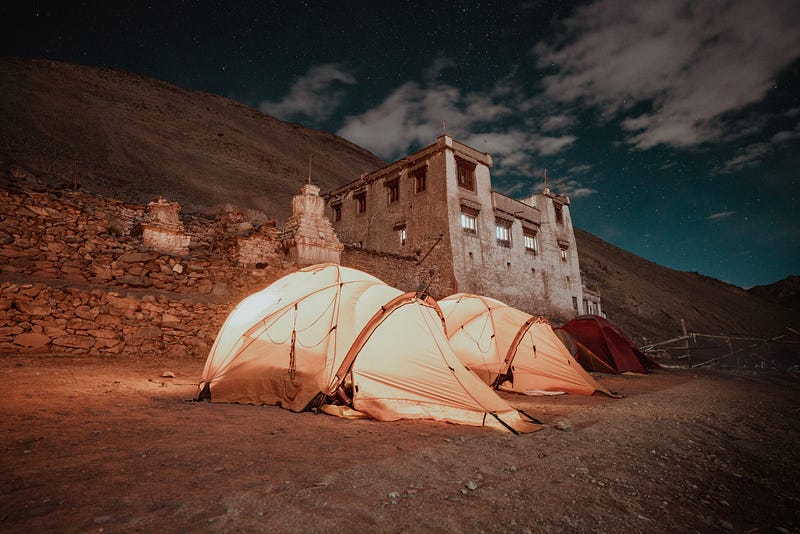
I had heard about GHE almost two years ago when I first stepped into the world of sustainable travel, and I hoped that I would cross paths with them someday. I later had the opportunity to photograph a carbon-negative expedition of theirs in the Himalayan heights of Ladakh, India, where we provided solar-powered water heaters to a remote village in the Karakorum mountains near Pakistan. The trip left me wondering how such a small team could be making such a large impact across such vast and remote stretches of India. Thankfully, I was able to befriend the founder of the company, Paras Loomba, and continue to build rapport throughout my journey in India.
Returning to developed, metropolitan cities felt like a letdown after the rugged Himalayan expanses of Ladakh. I had the desire to see the wild northeast of India, which only up until the last five years was deemed safe to travel due to a slew of violent liberation conflicts in the region. And so I jumped at the opportunity to look behind the curtain at GHE’s operations in India’s wild Northeast, where I’d get to live and work closely with the locals. After meeting the GHE team at their headquarters in Tura, Meghalaya, I soon found myself on a train to Dimapur, Nagaland with GHE’s multitalented Sumit (engineer, athlete, poet) on our way to the first of two schools in rural Nagaland that GHE would upgrade with solar-powered smart classrooms.
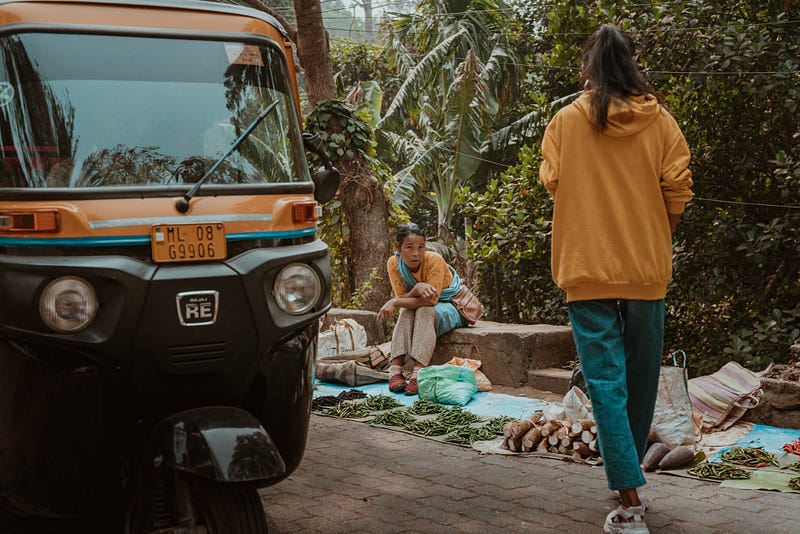
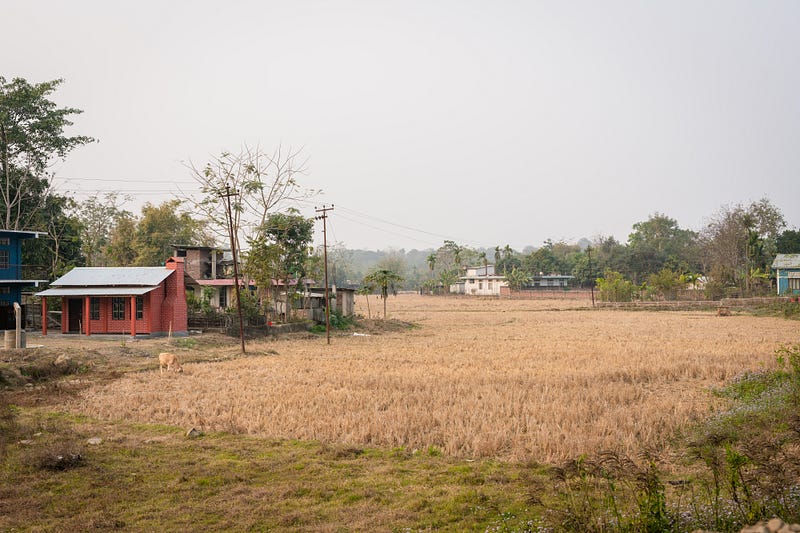
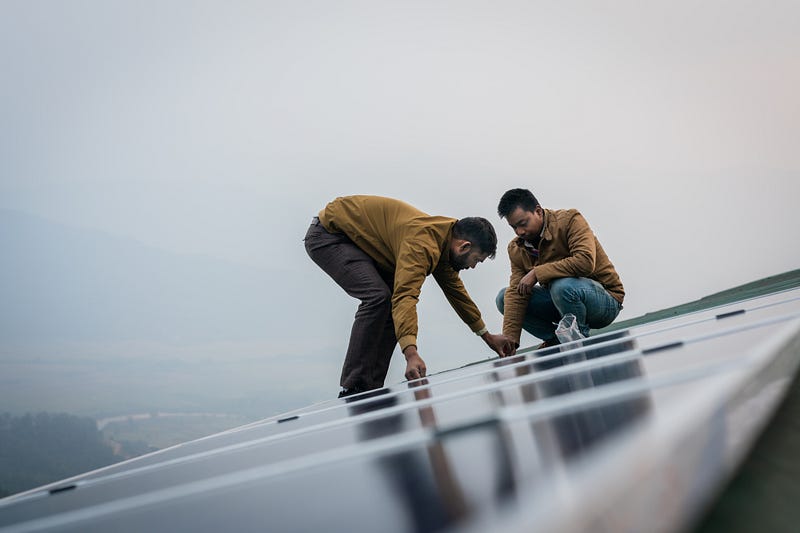
Our extensive movements through the northeast reveal diverse cultures and lush landscapes: banana trees stretching up entire mountainsides, rice paddies and tea fields, Malabar silk trees shedding their crimson blooms, and the local roadside stalls of the most delicious pineapple I had ever tasted. Footsteps explode from the flimsy tin roof above as engineers Sunil and Abhijeet worked tirelessly on the precarious second-story installation of solar panels while I sipped tea below with the staff and students of Kiruphema primary school.
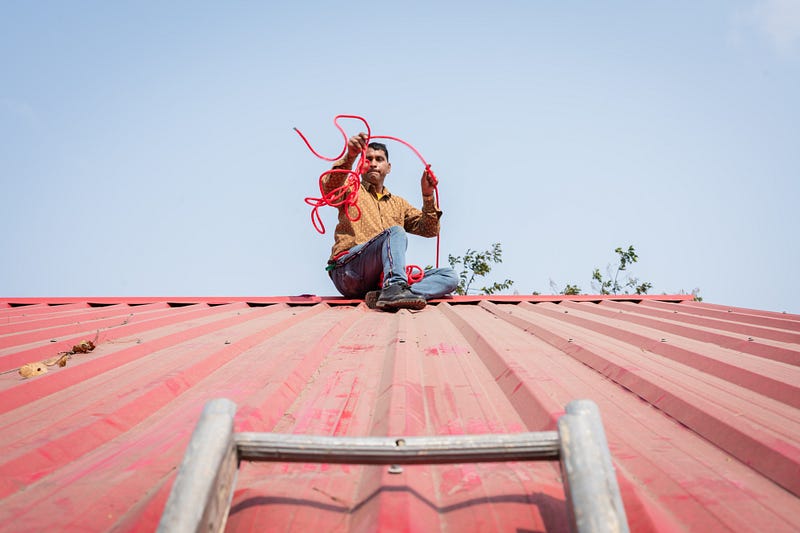
I soon learn that in his conversations with the locals beforehand, Paras had notified them I would be coming, and when doing so, he always qualified me as a “Nat Geo photographer.” And so everywhere we went, when meeting officials or administrators, they’d always ask me upon meeting, “And you’re with National Geographic?!” And at first, I pause, realizing Paras had perhaps unintentionally overplayed the fact that I had been published there as a freelancer, to kind of hype up the project a bit. So when I took a few moments to explain, “Well, no not technically…” It only served to cause confusion and at best bring looks of underwhelming disappointment to the locals, so I decided to just lean into it: “Yep! National Geographic.” For three weeks:
-“You’re with Discovery Channel?”
“That’s me.”
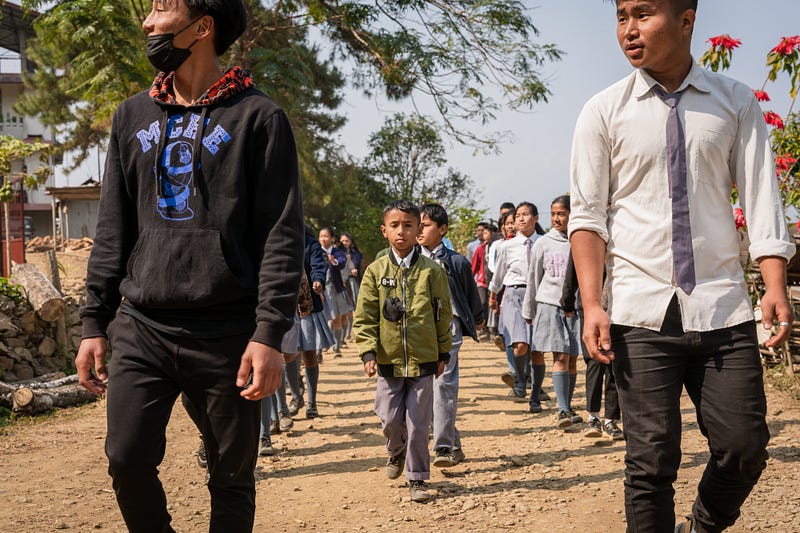
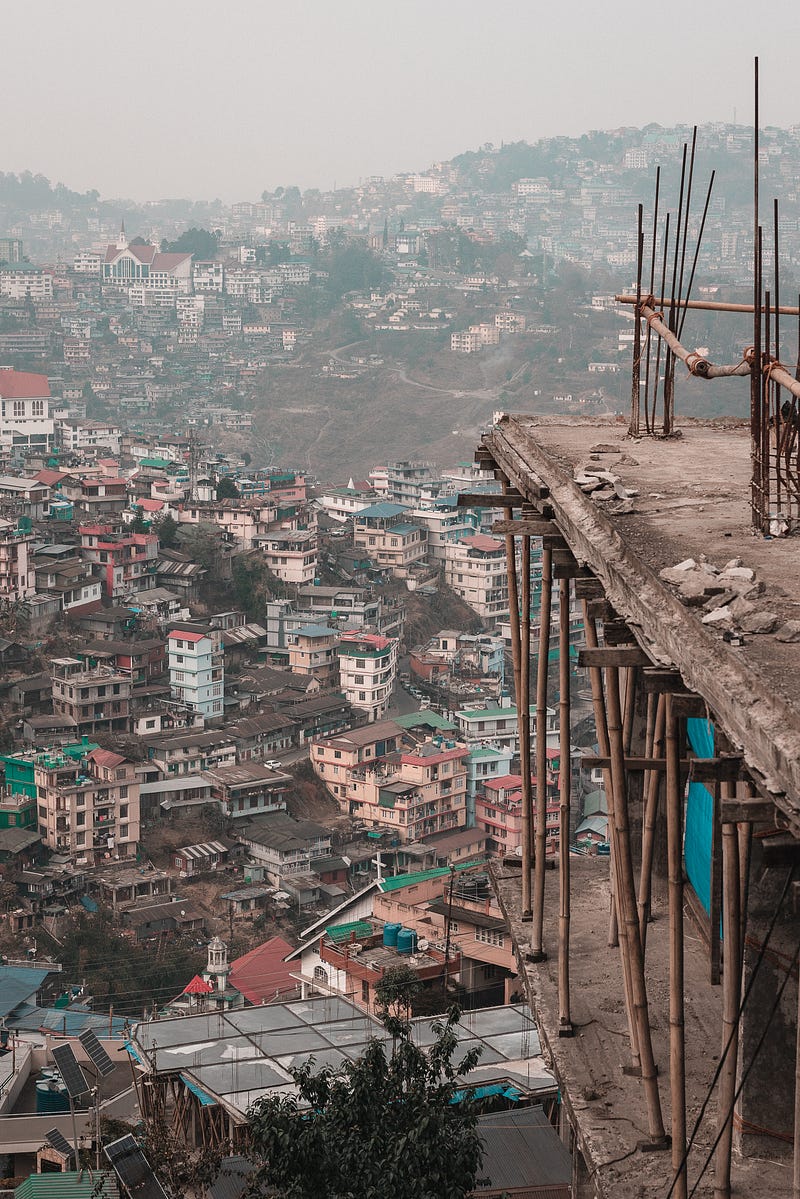
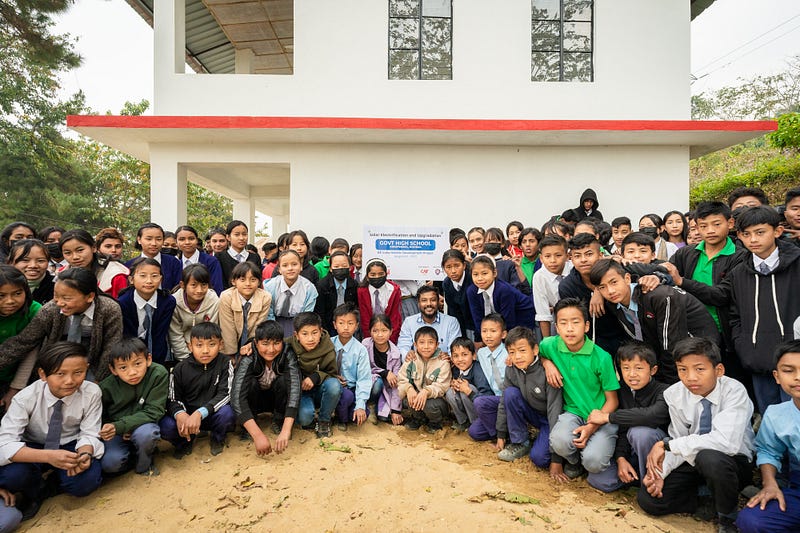
The Nagaland school projects are eye-opening and heartwarming. The teachers are some of the most genuinely hospitable people I have ever met in my travels, and the students are overflowing with excitement at our presence. The school administrators are always bringing us tea and snacks and homecooked meals, as well as handcrafted farewell gifts. Two of the teachers spend a free afternoon taking me on a tour of Kohima: lunch in the city, followed by a visit to the World War II cemetery (A little-known fact, is that one of the most bloody and critical battles of WWII was fought on a tennis court in the middle of the Naga Hills — The British and Indian forces holding back the Japanese forces from swarming into the Indian subcontinent and wreaking havoc on the British Empire).
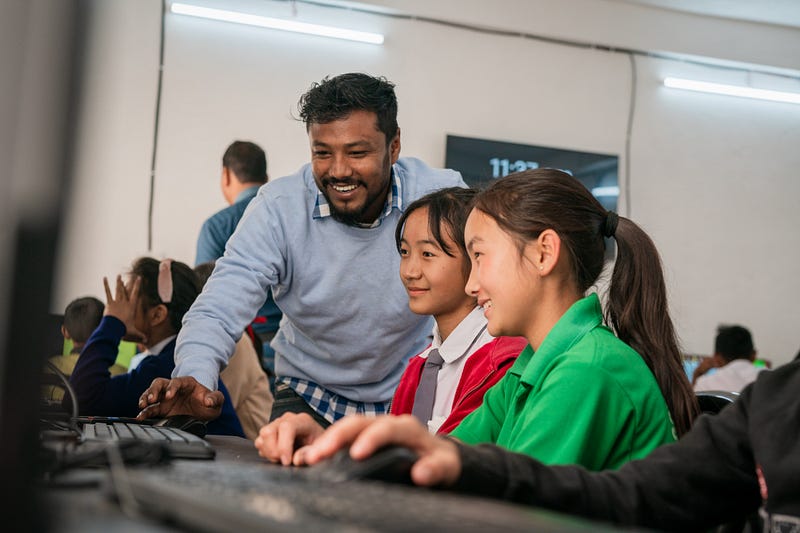
These “smart classrooms” are powered by solar electricity and are made possible by hand-sized computers manufactured in the UK that run the Android operating system. These are loaded with a digital learning platform tailored to the curriculum of Nagaland’s public schools. Another large TV and tablet are provided to allow teachers to display material or cast videos for the classroom to engage with as well. During the training and demo day, the students are floored by the equipment provided and are soon rolling through the lessons with enthusiasm. While the digital platform is a great start, I would be very interested in seeing what other programs can be installed on the devices for the students: typography training or word processing for instance, as well as in-depth demonstrations for the teachers on how to locate and install such programs.
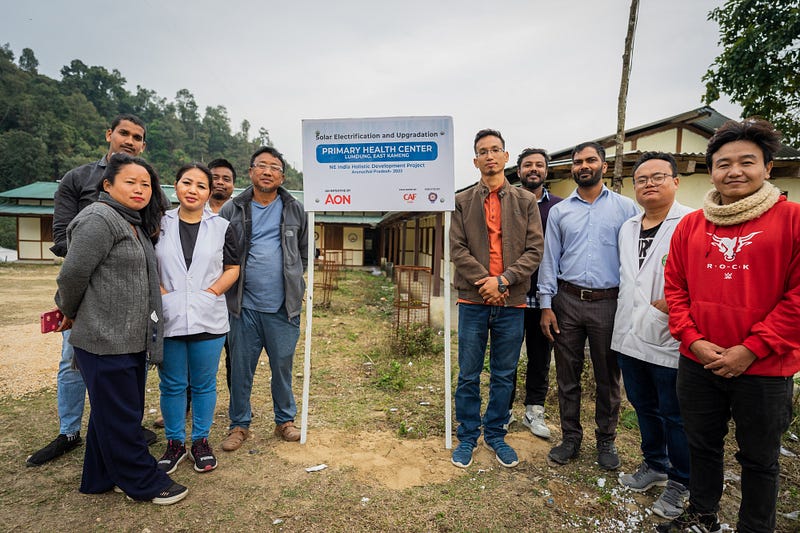
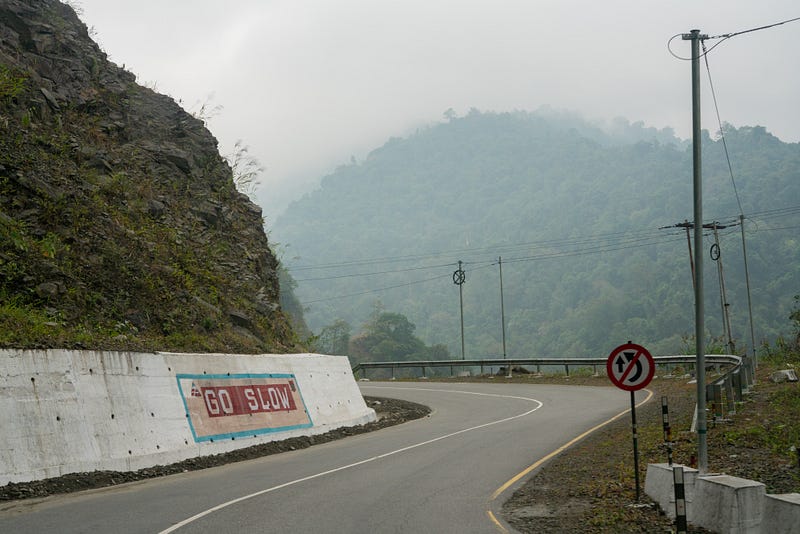
After completing both school installations, each of which was accompanied by an inauguration program where the staff and students honored us with gifts and performances of local song and dance, we are soon driving through clouds in the misty mountains of Arunachal Pradesh, India’s “dawn-lit mountains” This installation is led by GHE’s energetic Mustafizur, who like Sumit, is leading his first large-scale installation. But I would never have guessed it from the way these men carry themselves and handle the myriad of challenges and sensitive situations both logistical and personal. In the village of Lumdung in East Kameng, Mustafizur oversees the installation of solar-powered medical equipment to a largely neglected rural Primary Health Center (PHC). One staff member later shared with me that they felt “abandoned” by the government and that they were a bit confused at first as to what we were actually doing there. During the training session, I see all eyes widen at the comprehension of what they will now have access to at the PHC.
Naturally, there are vulnerabilities and variables completely outside of the control of GHE. And the biggest is the adoption and maintenance of the assets provided to the locals. The equipment delivered to the PHC at Lumdung has the potential to completely transform the community, but this is only possible if the local government takes ownership of these new capabilities. In it’s current state, the PHC is vastly understaffed: serving mainly as a pharmacy, and only open for a few hours during the day. So the district will need to invest in additional staff and training at the facility, as well as respond to long-neglected requests from the staff to provide a gate and perimeter wall to the facility, as well as provide accommodation for housing a resident doctor who can be on hand for after-hour emergencies.
I must add that GHE does extensive survey and screening work to determine whether a potential prospect meets the criteria for partnership as opposed to the status of a mere beneficiary. They recognize that there is an important distinction in selecting partners as opposed to giving out gifts without any system of accountability. Nevertheless, the administrative systems in some of these rural communities have a reputation for being ineffectual if not downright neglectful, and only time will tell how these communities will maintain and utilize the tremendous capabilities granted to them. When driving around the Garo Hills with the son of my host in Tura, he confesses that while his government job pays a great salary, he really is responsible for very little. “I will go office tomorrow. Really you only need to come in for one hour, so it look like you are doing something. I stay a while, then come home.” I found that he spent his “workday” at home re-watching ‘Game of Thrones’.
These weeks in the field gave me a firsthand look at many of the challenges inherent in the field of social development. It's tiring work, full of roadblocks and bureaucratic snags. One of the biggest strengths I saw in GHE was their investment and development of human capital. Every member of their team that I have met has without exception shown great kindness, humility, and sincere belief in the mission that GHE carries forward. With the Northeast crew in particular, they live and work together almost as a brotherhood — with nothing but respect and mutual support fostered between these young men. Their efficacy as leaders is augmented by the management style and culture lived out by Paras and Jaideep, who empower and trust their staff to make their own decisions in the field, with no sign of the trappings of ego that can easily infiltrate a successful company. With all of the development work they’ve been doing here in the northeast, I’m excited to see them pioneer a foray of tourism into this region for travelers who are both conscious and seeking authenticity in their travels.
Matthew David is an American travel photographer and writer from Des Moines, Iowa. An advocate for sustainable travel, he has photographed responsible tourism initiatives in nine countries, notably in the Western Balkans, India, and Nepal. His work has been published in National Geographic Traveller Magazine, Resonate (Norway), and Get Lost (Australia). You can follow his blog on transformational travel at mearcstapa.com, and find him on Instagram as @mattnelly.jpg
Thank you for reading.


