
In the Age of Skip Buttons, Do You Still Dive into Complete Albums?
A return to musical depth

Have you ever felt that you don’t seem to get the same excitement over music today as you did 10, 20, or even 30 years ago?
It might look something like this.
A new song is released by one of the artists you follow. You play it on YouTube, Spotify, or any other platform through your headphones or speakers. You go about your various chores and tasks as it plays, and it sounds pleasant enough (or perhaps just okay). However, because you’re multitasking on the go, it doesn’t quite leave a lasting impression. Soon after, you continue your day as if nothing particularly noteworthy happened.
Am I close?
You could say that new music sucks.
This is what older generations might think about today’s music. And they might be emotionally right. We’ve seen studies (here and here) showing a preference for the music of our youth.
Pair the crazy hormones from our adolescence with the development of our identity at that age, and add the music as the cherry on top. In that scenario, it would be highly unlikely that those songs weren’t integrated seamlessly into who we are. It’s the perfect mix of biology and psychology for music to leave a deep mark on us.
No wonder we stop listening to new music after we’ve turned 30 (as a recent survey by Deezer suggests).
Every other song pales in comparison.
But I’m not just talking about this effect.
I’m talking about the art of listening to records.
From vinyl to streaming
In the old days, there was a whole ritual of music listening.
You’d walk into a record store, feel the rush of excitement as you chose that album, whether it was on vinyl, cassette, or CD, and then take it home like a precious gem.
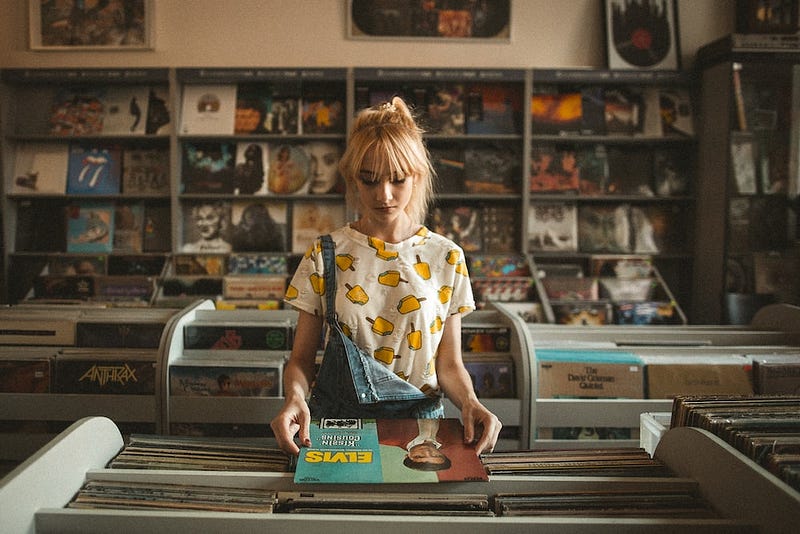
You might not have found that album on your first try, leaving you with no choice but to go on a quest to find it elsewhere. You’d go over dozens of records, your heart pounding as you searched for the one, but also amazed at all those other creative album covers you saw in your search until you found yours.
On the way home, you’d hold the album close to your chest, looking forward to a delightful afternoon in your room filled with the melodies of your favorite band.
The real magic began when you gently peeled off the wrap, revealing the album cover art, and the anticipation would hit its peak. You’d put the record on, like the grand opening of a treasure chest, and ensure no one will interrupt your music experience from now on. While you listened to the songs, you’d soak in every detail of the album art and lyrics. You were in your room, but not really. You were somewhere else, and it felt like heaven on earth.
Does it sound familiar?
But then came digital songs, and everything changed.
At first, it felt awesome.
You could download any song on Napster, Limewire, or Kazaa in less than an hour. You’d create endless playlists and brag about it with your friends. It was like having an infinite jukebox at your fingertips. The sheer volume of songs available was staggering. It was as if the gates of musical heaven had swung wide open.
But this feeling didn’t last.
The tech had caught us off guard.
While we had a universe of songs at our disposal, we couldn’t truly savor any single one. We were buried under an avalanche of music, each note fading into the next. It felt like a buffet where we piled our plates high but never finished any course completely.
The art of listening, of experiencing an album from start to finish, was diluted.
We’d become impatient skip-happy listeners, craving variety over depth.
Downloading music was a double-edged sword. It gave us the freedom to explore, but it also marked the beginning of our era of musical impatience, where songs became disposable, and albums became mere collections of singles. It was a fascinating time, a glimpse into music's digital future, but little did we know how it would transform the industry forever.
And then music streaming made it worse.
It was the future of convenience. We had instant access to millions of songs from our pocket, but those vast catalogs made the problem of musical impatience even worse. We were on an endless quest for the next best thing.
Our relationship with albums became even more fractured.
The idea of sitting down to listen to a complete record became a rarity. We lost that tangible connection that used to be the heart and soul of music appreciation. This fast-paced digital age has made us sacrifice everything in the name of progress.
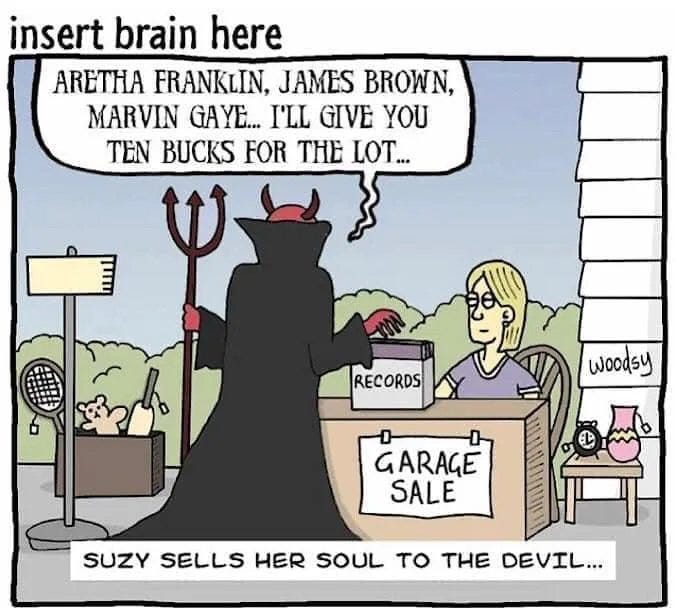
We could never dive deep into the soul of an album again.
The joy of the full album experience had become a nostalgic relic, a casualty of our digital age’s insatiable hunger for variety.
A struggle for survival
It didn’t make it worse just for the listener but for the artist as well.
Crafting an album as a cohesive work of art began to lose its value.
Instead, singles ruled the day, designed for maximum playlist-friendliness. Musicians had to adapt, constantly releasing tracks to stay relevant in the relentless streaming world. It got so exhausting.
It also hit them financially. No one wanted to buy physical albums anymore, and the revenue on streaming platforms became a joke. Album sales were a significant chunk of an artist’s source of income, but now they were left with breadcrumbs.
Artists had to adapt to a new landscape where live performances and merchandise often became more critical for financial sustainability than recorded music sales. It felt like downhill from here on.
Rediscovering the essence of listening
We’re now seeing a resurgence of people returning to the art of listening in old-school ways.
Some turned towards vinyl record hunting. A format that was declared dead not too long ago is experiencing a renaissance. Why? Because there’s a tangible and emotionally authentic experience in holding that album in your hands, gently laying the needle down, and allowing the music to flow from the grooves.
There’s an emotional connection to the artwork and the process that digital streaming could never replicate.
It’s like savoring a fine wine or a carefully crafted dish in a world that has grown accustomed to fast food.
We’re once again slowing down, engaging with music meaningfully, and rediscovering the essence of what made music so profound. It’s a return to the music experience that once brought us joy and solace.
Let’s remind ourselves to unplug from the digital noise and truly focus on the art that moves us.
If we experience it once, we can experience it again.
I’d love to hear your thoughts on this!
- Have you experienced this shift in your own listening experience?
- Are you trying to go back to fully immersing yourself in an album?
- If it’s not happening right now, I’d still love to read about your favorite memory of actively engaging with an album as a complete work of art.
Stay in tune, and stay safe!
Want to learn more about the sound verse?
Join my newsletter to explore everything related to music and sound, from the effects on our psyche to the technologies that use sound to improve our lives.