
PHOTOGRAPHY, MINDFULNESS, NATURE
In Sync with Life
Panch Tatva — Five Basic Elements of Nature

Kshiti, Jal, Pawak, Gagan, Sameera,
Panch Tatva Yeh Adham Shareera
This is a famous couplet of Goswami Tulsidas, one of the celebrated Indian poets who achieved acclaim for retelling Sanskrit epic, Ramayana in vernacular Awadhi (Ramcharitmanas).
It means adham shareera (our body) comprises panch (five) tatva (elements) — kshiti (earth), jal (water), pawak (fire), gagan (space/ether/sky), sameera (wind).
According to Vedic ideology, when Spirit (Purusha in Sanskrit) takes the form of life, it is named Prakriti (meaning Nature). Nature is believed to be made up of five elements —Panch Tatva– space, air, water, fire, and earth.
Every individual is a miniature version of nature and therefore contains all five elements.
The purpose of our lives is to be happy- Dalai Lama

Ancient Indian philosophers classified the individual human body or the larger cosmic body in the form of these five basic elements.
While Panch Tatva represents the physical and energetic qualities of the human body and of the physical world, the oscillation of these five elements influences our physical, mental, and emotional well-being.
Let’s take a look at a few interesting facts about these elements:
In nature, nothing is perfect and everything is perfect. Trees can be contorted, bent in weird ways, and they’re still beautiful — Alice Walker
1. Aakash/Gagan or Space

The Vedas, the religious texts of the Hindus, consider that time goes around in a cycle and it is continually destroyed and recreated. The cosmos is intertwined with the belief in a creator who allows the world to exist and take shape.
Aakash or space is the endless, limitless, infinite horizon. The flawless blue sky beyond is a roof over our heads during the daytime.

At night, it serves as a pathway to the glittery stars. The space represents consciousness. Without it, nothing exists in this world. We all exist in space.
The sky is the daily bread of the eyes — Ralph Waldo Emerson
2. Vayu/Sameera or Air

In Hindu scriptures, Vayu is the incredibly powerful Lord of Wind — the deity of breath, the spiritual father of Lord Hanuman, Bheema and Madhav. He is brave and beautiful and can breathe life as well as destroy evil in a jiffy.

Have you ever thought of a moment without air? It’s practically impossible. Air is omnipresent and it represents awareness. We feel our body, mind and intelligence only when we are alive. And that aliveness is nothing but awareness. Without awareness, we are dead.
Some old-fashioned things like fresh air and sunshine are hard to beat — Laura Ingalls Wilder
3. Agni/Pawak or Fire
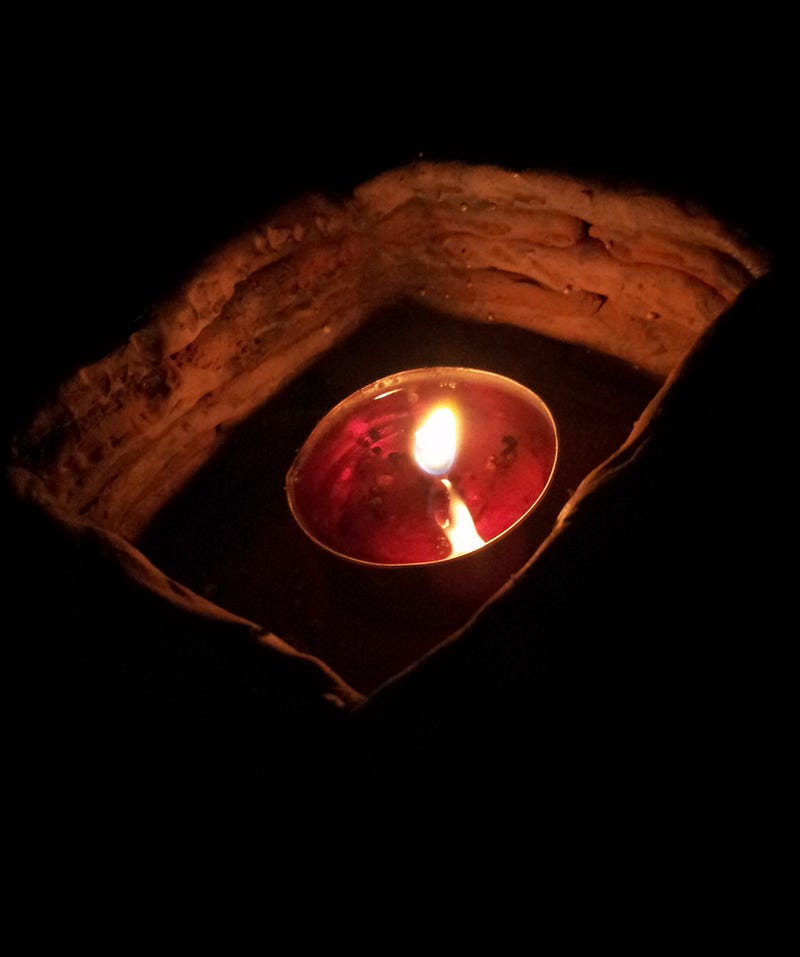
Agni or fire is a vital source of energy. It can be touched and seen — it’s tangible. The element of fire provides warmth, enthusiasm, and creativity. However, an excess of it leads to aggression, impatience and impulsive behavior.

Fire represents intelligence and it is the intelligence that takes us away from the darkness of ignorance to the pathway of knowledge and goodwill that brightens our mind, body and soul that strengthens our inner self.
Become the person you were meant to be, light your inner fire and follow your heart’s desire — Leon Brown
4. Jal or Water

Jal or water constitutes two-thirds of our Mother Earth. It’s the same with us too. A newborn baby is 78% water. Adults are 55–60% water. Water is involved in just about everything our body does.

Water represents our mind. Our mind is not solid or rigid, rather it is fluctuating or flows similar to that of water with limitless boundaries.
Nothing is softer or more flexible than water, yet nothing can resist it — Lao Tzu
5. Prithvi/Kshiti or Earth
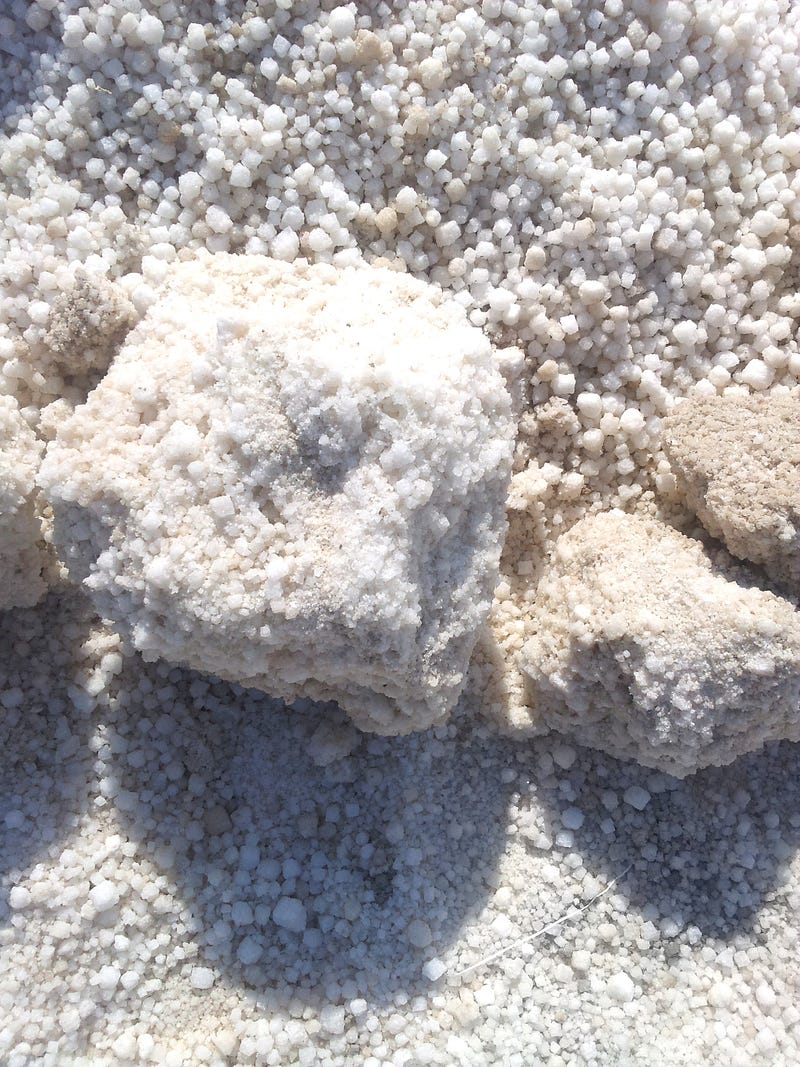
One among the five prime elements of life, Kshiti or earth represents our body. The more stable and grounded it is, the more we are in sync with nature.

The solid earth houses the soil, landscape, flora and fauna. It keeps every living and non-living thing grounded to the earth by virtue of its powerful magnetic fields and gravitational force.
We owe our existence to our physical body. Hence, ancient people referred to the body as the Earth element, because our life is on Earth.
We are on Earth to take care of life. We are on Earth to take care of each other — Xiye Bastida
Interestingly, it is considered that Panch Tatva signifies five sense organs — ears, skin, eyes, tongue and nose — facilitating five sensory responses — smell (olfactory), taste (gustatory), hear (auditory), touch (somatosensory) and sight (visual).
These responses are held responsible for balancing our inner and outer environments. An imbalance invariably affects the happiness quotient.
So, stay mindful, enjoy the simple pleasures of life, bask in the nature’s glory and refresh your soul.
Love and gratitude to Nancy Blackman, MASF and the stupendous team of Refresh The Soul for considering my write-up for the pub.
Thanks much for stopping by. Love, light, peace and prosperity to you all.