
In Support of the Creative Being Inside You
Why You Should Let It Out to Play
Place a box of crayons and blank paper in front of a four-year-old and he will draw you a picture. Ask him what he drew, and he might be aghast that you can’t figure it out before he tells you what it is.
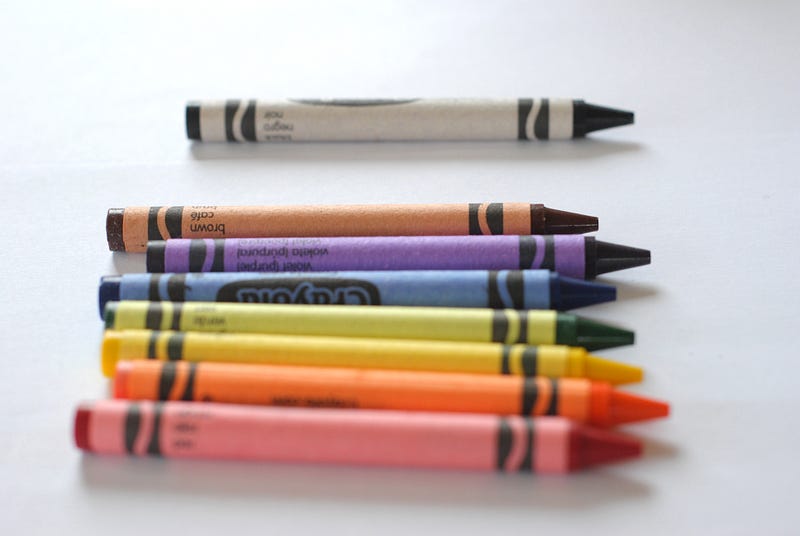
Place a box of crayons and blank paper in front of a four-year-old and he will draw you a picture. Ask him what he drew and he might be aghast that you can’t figure it out before he tells you what it is.
BUT
Place a box of crayons and blank paper in front of many adults and you might hear: “What? You want me to draw? I can’t draw?” or even “Crayons are for children.”
Ask an elementary student to tell you a story, you may get a fanciful tale from his imagination.
BUT
When I was teaching a unit on Native American Mythology to my American Literature high school students, many complained that they couldn’t just make up a story about how something came to be or that it wasn’t right to make up a story when we knew, scientifically, how things came to be.
Ask a child to pretend to be a monster or a race car driver or a princess or any dozen characters, they immediately take ownership of the role.
Ask many adults to participate in theater and you will be met with the response that “I am not that talented.”
Need I go on?
When is the last time, without a child or grandchild or child you are taking care of in your midst, that you let your inner child out?
Something happens between childhood and adulthood to our sense of play and wonder and the concept of being adult. It comes across too often in the memes on social media where people post “I don’t want to adult today.” Something tells us that we are too old to bounce the big rubber balls at the department store. Something tells us that we are too old sit down and spend an hour with a color book or time with finger paints. Something tells us that we need to be using our time wisely.
A few weeks ago, the orchestra I play with welcomed a couple of new musicians. The addition of instrumentalists gives us a fuller sound.
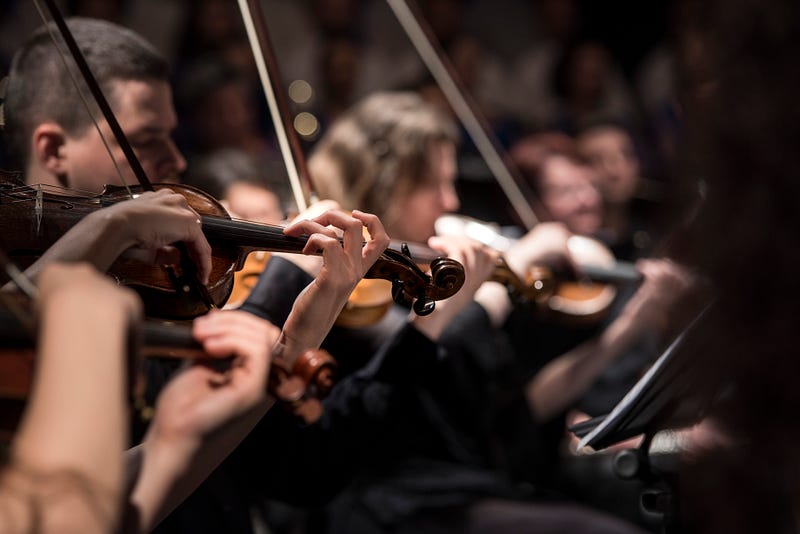
Although I would have loved to have been promoted to first chair and earn the role of Concert Mistress, I was not offended that one of our new musicians was placed in that position, especially when I learned that she had been a professional violinist for 20 years. In talking with her after that first rehearsal, I found myself upset, however, by her attitude. It wasn’t an attitude of “I’m better than the rest of you”. It was that she had given up being a professional musician for an “adult” job.
It seemed to me that she talked herself out of her calling, that somehow she had lost the passion. That being a musician wasn’t being a responsible adult.
That attitude seeks to invalidate every professional musician I know, as well as every actor and every artist.
If you read my brief bio statement, I call myself a multi-faceted creative; in other words, I pursue several different areas that are covered under the umbrella term “humanities”. I am, as I put it once, a Jill of the Arts, but not a complete master of any, nor would I want to be.
In its simplest terms the humanities include the ways in which we explore the world with our minds — whether through art, music, theater, literature, philosophy, history, and languages.
If I wanted to be a master of one, I would have to tuck my interest in the rest of them away. It’s one of the reasons I taught and directed high school theater: I could utilize my interest and abilities in art, music, theater, literature, philosophy, history, and literature.
AND, I could play at my job.
So, what has this to do with you?
Let that creative being that once had you using the kitchen pots and wooden spoons as your personal drum set out. Strum that guitar. Take those music lessons you once wanted to or started. No, learning to play an instrument as an adult may not make you any money, but it will enrich your soul.
Let that creative being that loved to color and paint out. Buy one of those adult color books and a set of markers and color for an hour when stressed. Take that class in drawing or painting and don’t worry what the final canvas will look like. It will enrich your soul.
Let that creative being that once had fun telling stories out. Revel in telling your children or grandchildren the stories of your life. Try your hand at putting to words the story that is living in your head. Take a class or two on how to write a story.
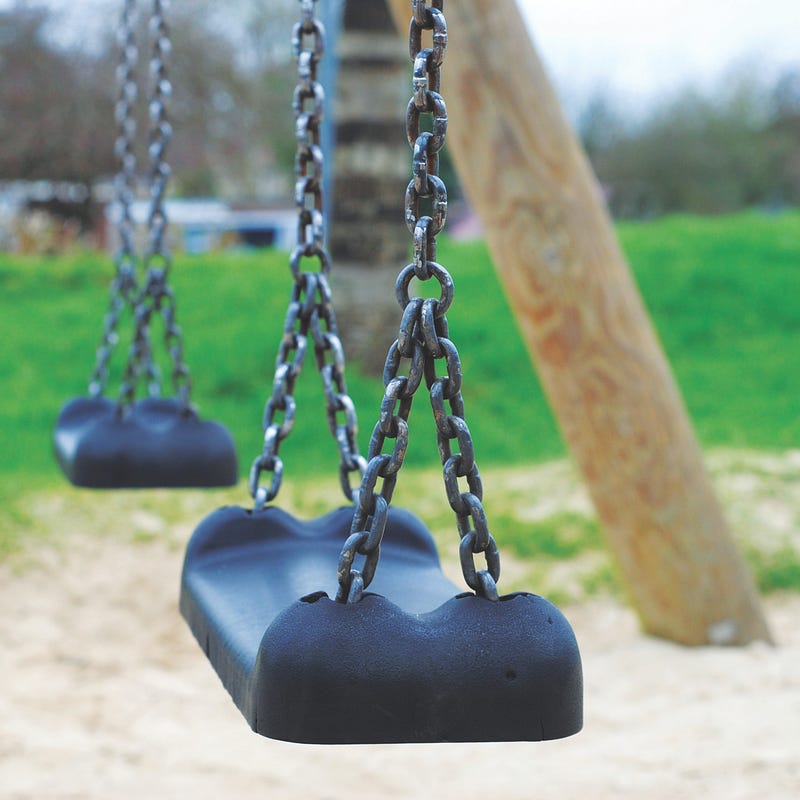
In essence, play on the swings, go down the slide at the local swimming pool, play in the dirt, use those finger paints. Learn to play again. Not because you are doing so with your kids. Not because you are doing so with your grandkids. Be creative for you — for the well-being of your soul.
Rebecca (Becky) spent 34 years in a teaching career, but when she retired in 2014, she picked up her pen and pursued her passion to write. As a high school English teacher, Becky held the philosophy that she wouldn’t give any writing assignment that she personally wouldn’t or couldn’t do. That philosophy strengthened and broadened her own writing.
In addition to publishing her writing on various platforms, Becky also blogs at Life is for Living, a blog to encourage, motivate, and help others live the best life possible. As an extension of Life is for Living, she also publishes a weekly newsletter, Let’s Chat. (Check it out HERE.) Life is for Living also has a social media presence with the group Coffee on my Porch. (Check it out HERE.)
After teaching writing for 34 years, Becky began Ink & Keyboard, a blog for writers at all levels. She supplements what she writes on the blog with a subscription newsletter, The Writer’s Notebook (Check it out HERE.) and the social media group Ink & Keyboard (Check it out HERE.)


