
In Praise of Console Restoration (And How to Get into the Hobby)
Nostalgia never felt so good.
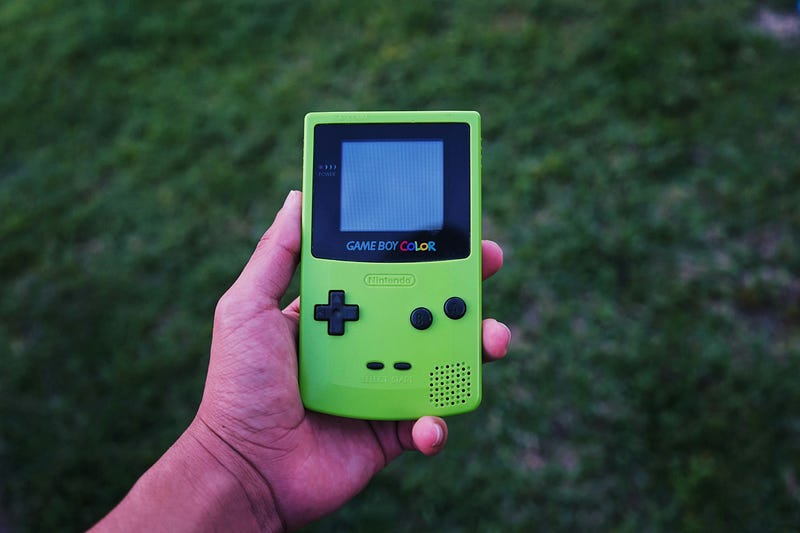
Christmas is a nostalgic time for most people, for better or for worse. I would tell you that opening up my first GameBoy Advance SP when I was five years old was the greatest day of my little life — but I don’t remember receiving my first handheld Nintendo console at all.
My earliest memory is of later that year, when, after being grounded (if five-year-old children can be grounded), I ran out of my room to snatch the GBA out of my younger brother’s hands, afraid he would break it. I was more territorial back then.
I played Pokemon FireRed like it was religion. Never beat it as a kid, though. Only ever replayed it, testing out different starters and team combinations.
Fast forward. I am twenty-three with some new money in my pocket. Although I no longer play retro games like I used to, I do enjoy watching videos of new emulation devices and console restorations.
I’m fascinated by the way these tinkerers can take apart, clean, diagnose, and fix these old consoles. Weeks go by and I’m still watching these videos. I wonder to myself whether I’d be able to fix up an old GameBoy if I got my hands on one.
So I got my hands on seven of them. Straight from Japan, using one of those Japanese eBay-esque sites. They were supposed to arrive in three months. They came in two, to my surprise.
Ecstatic was an understatement. Beaming, more like. My face lit up, I tore the box open and held my new lot of broken Nintendo consoles. For an instant, I was five years old again. This was the loot:
- 1 Original GameBoy Console (1989)
- 3 GameBoy Pockets (1996)
- 2 GameBoy Colors (1998)
- 1 GameBoy Advance
I also bought the correct screwdrivers and some tri-wing customs that were specific to these early devices. Eager, I opened up every console and using what knowledge I’d learned from watching all those videos, I was able to diagnose every issue with the consoles. Most of them didn’t power on and would require more testing. A few of them did power on but had screen burn, which is a condition that affects older Nintendo handhelds that have spent too much time in the sun.
The first instance of getting a seemingly non-working device to boot up again will be forever seared into my memory. It was one of the GameBoy Pockets. I remember cleaning it diligently with isopropyl alcohol and cotton swabs, being careful to mind the motherboard’s circuitry and various chipsets. After putting it back together, I turned it on and was greeted with the digital ding of the title screen. Sure, the screen was burned, but I could see the game behind it. I had purchased an original game cartridge of Super Mario Land for testing. But I must’ve played it through that burned screen for half an hour before getting on with the restoration.
Before long, every device that I was able to revive was restored to near-full health. Some professional restorations involve the use of chemicals to restore the original transparency of the devices, or remove stains. I didn’t bother with it. So long as the consoles worked as they did in the 90's, I was happy.
I was extremely happy with the modifications I made to one of the GameBoy Color consoles. A screen replacement modification allowed the screen to be backlit. Nostalgia, modernized. I played the entirety of Pokemon Crystal and it didn’t fail me for a second. It is so rewarding to have taken a broken object, fixed it, and be able to enjoy its working state again.
Recently, I’ve finished a Japanese book called What You Are Looking For Is In The Library. In it, a little vignette about the lifespan of the objects that we hold dear to us.
“‘It’s so romantic to think this glass was part of something once used by somebody far away, a long time ago. I get so caught up in trying to imagine who might’ve used it and where and when, I can’t stop thinking about it.’” — Michiko Aoyama
Throughout the process of my first console restoration, these thoughts ran circles in my mind. The first thing I thought was that these belonged to some Japanese kids thirty years ago. Those kids grew up. Married and had kids. Do they still play games? Do they ever think about their old Nintendo consoles?
When I look at the last of the consoles I’ve kept, most I gifted to family and friends, I think deeply about the culture of these objects. And I know that I won’t be their final owner, either. I’m only a part of the story, so long as someone in the future equally passionate about consoles like these takes good care of them.
That’s a nice thought to me.
P.S.: Get my posts directly in your inbox. Do that here.


