
In Moments of Distress, Create
The case for creating versus consuming
Whenever we’re sad, lonely, distraught, stressed, or grieving, oftentimes we turn to consumption in order to take ourselves out of the dark hole we’ve found ourselves falling into. We resort to eating, binge-watching series and movies, listening to endless Spotify playlists, and going online shopping for retail therapy. This is completely expected and justified behavior because these activities are a form of escapism. We want to momentarily be rid of negative thoughts and emotions so we turn to things that give us joy, which are usually things that are meant to be consumed.
But when I struggled with severe mental illness episodes this year and went through some of the lowest, darkest points in my life, I found that the things that normally brought me happiness — like reading and watching women’s sports — weren’t sufficient to get me back on track. The intrusive thoughts were still there, pestering me, desperately seeking attention.
It was only when I started baking (for the first time ever in my 30-something years of existence) that I found joy and sustenance again. There is this unexplainable magic in being able to create something from scratch then coming out on the other side with a finished product that you can be proud of, regardless if you decide to show or share it to other people or prefer to keep it to yourself.
In this day and age where we are inundated with notifications, social media posts, news articles, op-eds, and podcasts for every single topic you can imagine, I think it’s worth taking a step back and considering if consuming all this information is doing more harm than good. I have personally intentionally limited my social media apps and streaming subscriptions in order to consume less, so that I can also shift more of my energy toward creation, where I am free of the noise and I am able to learn a few things about myself along the way.
Here are examples of hobbies and activities to consider that exemplify the magic in creation. ✨
Culinary Creations
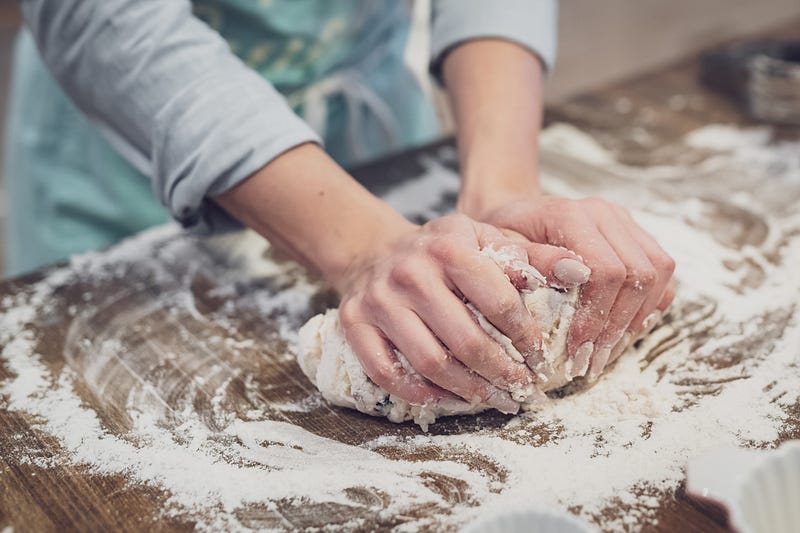
As mentioned previously, I’ve started baking this year and have gotten pretty darn good at it. I’ve tried a variety of recipes for muffins, cookies, bread, donuts, brownies, pastry bars, and cakes. The more obscure the recipe is, the better. I’d advocate for culinary activities like baking and cooking because by nature, they are supposed to keep your hands busy and they need your full attention; otherwise, you end up missing a key ingredient or letting your culinary creation get burnt for staying too long in the oven.
Mixing drinks is another example of a culinary venture to explore. The effort and prep time are significantly lower than baking and cooking, but you still are able to replicate the magic of concocting these delicious custom drinks, which is also not a terrible skill to have for when you find yourself hosting guests at home. For these culinary hobbies, the extreme focus required at the time of creation helps crowd out everything else that’s on your mind. It certainly has helped me, even for just pockets of hours each weekend.
Arts & Crafts
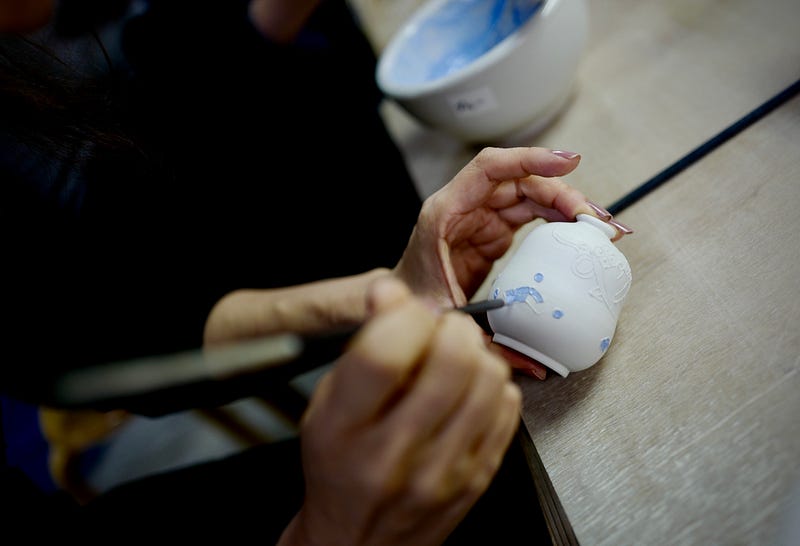
Arts and crafts are another way to keep the mind and body busy. I have friends that have dipped their toes in painting, whether that’s self-learning watercolor painting, working on a “paint by numbers” kit, or actually taking a still art painting class — with complimentary wine to boot! Activities like sketching and painting can get you lost, as if in a trance, for hours on end at your work. They are also often relaxing because the materials involved are mostly safe; there are minimal potential “threats” to be wary of, unlike culinary activities where you have to be careful about handling sharp objects, frozen food, or heat from the stovetop or oven.
Beyond drawing and painting, I’d consider hobbies like crocheting, pottery, and woodworking as part of this category too. For these examples, there is an output that is actually useful to the creator — whether that’s a crocheted vest, a ceramic bowl, or a new stool — which only reinforces the feeling of fulfillment after the act of creating is completed.
Creative Productions
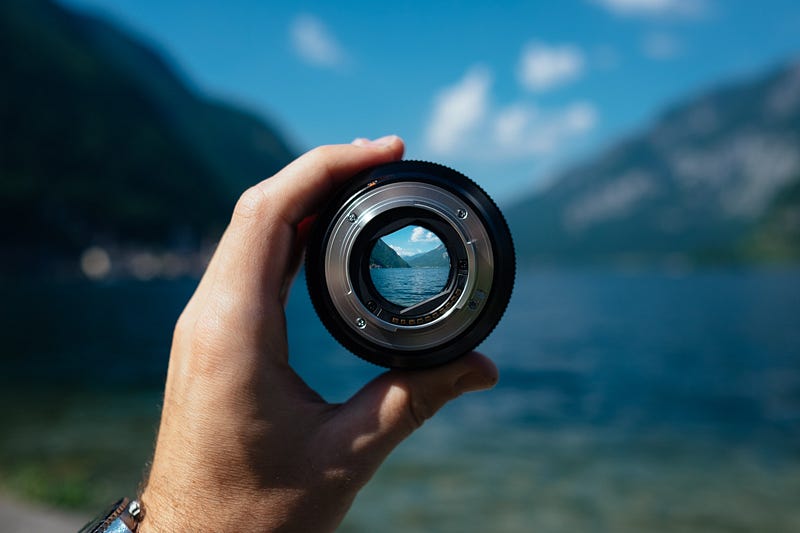
Some examples of activities that fall under this category are writing, photography, and filmmaking, where you get to produce work with audio-visual elements. I am a big proponent of creative writing, and you’d see me writing about it extensively because I’ve experienced first-hand the cathartic, healing, and powerful impact that putting words on paper has had on my life. Whether it’s fiction or nonfiction, the act of writing itself is a means of reclaiming your narrative and reasserting your own perspectives on the world.
To me, photography and filmmaking work the same way, where you literally and figuratively capture a tiny slice of our world through your own lens, and you get to tell stories through beautiful images, static or moving. I believe that these produced forms of creative expressions are the most effective among all examples of “creating” that I’ve shared so far because they enable you to create structure amidst a chaotic world and to share and amplify your own unique voice, regaining control over your thoughts and emotions in the process.
So the next time you find yourself ruminating, catastrophizing, or wrestling with any fatalistic feelings, take a beat. Before logging into Netflix or clicking “Add to Cart,” consider the alternative of creating instead. I promise that it’s always worth it.


