
TRAVEL. TRADITIONS
In Mexico, We Are Not Afraid of Death, But of Dying and not Being Remembered
Día de Muertos as an homage to our ancestors and as a recall that we are here to enjoy life
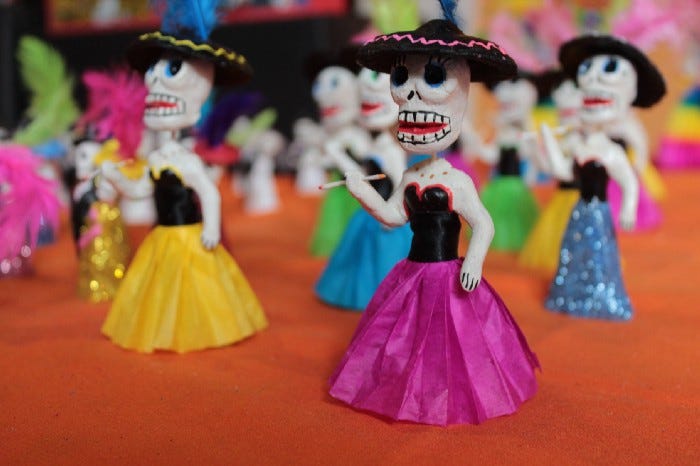
In Mexico, We Celebrate the Lived Lives of our Ancestors and Embrace their Memories Every Year
Unless you have seen someone lost a loved one, you will hardly understand the depth of this Mexican tradition. Regardless if you watched the movie Coco.
Día de Muertos is way more than painted faces, colourful figures and candy skulls. Mexico is a catholic country, therefore Mexican culture is a mix of religion and ancient traditions.
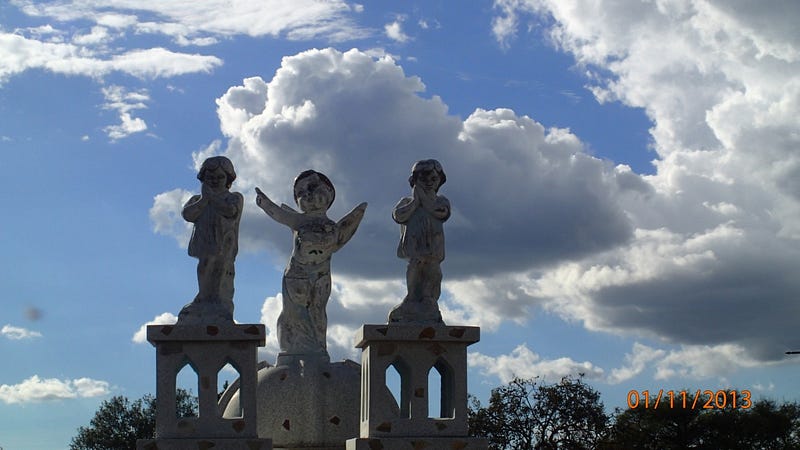
Most Mexicans have faith in these two promises:
- God will save the decedent’s souls
- The spirits will come home once a year
Two years ago both of my grandpas died.
My mom and my dad cried to their parents six months apart one from the other. In one of the services, the priest said something very wise.
You don’t have to be upset or feel sorrow. God called him because He needs him there. The path of Don Chacho is over here in the underworld. Why would you be sorrowful if he’s in God’s company?
Those words were a total relief for all of the attendees.
On the other hand, we also have the belief that the souls of my grandpas come home every year to visit us and enjoy the ofrenda we settle down for them.
In Mexican Culture We Are Not Afraid of the Death, But to Die and Not Being Remembered
Día de Muertos is a celebration of life.
We celebrate we are alive. Although we also commemorate the lived life of our spirits through different homages. For example:
- We make an altar at home to receive the spirit of our beloved one. We include the favourite food of our ancestors. We also gather the items that best represent their passions, likes, and favourite things in life.
- We go to the cemeteries to decorate their grieves, we play mariachi and we pray for their souls. We also gather around in the cemetery with our family to share experiences, anecdotes we had with the one who has passed away.
- And we write calaveritas literarias which are a kind of poem where we roast someone in a satiric way evolving The Death as a character.
The Ofrenda Ritual
My grandma would put special dedication to the whole ritual.
Once November is close, my grandma will be careful she isn’t missing anything for the ofrenda. She makes a list of the things she needs for making Pepín’s favourite mole.
My grandpa used to like to eat mole while drinking a coke. You will also find some Mexican sweets, like glazed amaranth, spiced tamarind candy, sweet potato chew candies, marzipan.
My grandma will also be aware of prepare Mexican rice, put some beer for his brother, as well as some cigarettes. His brother used to smoke.
My mom, for example, will put in the ofrenda for his father some salted peanuts. She will also look for a picture where my grandpa looks handsome.
It’s the first time his picture is figuring in the ofrenda and we want to remember him in his best times: still young, strong and healthy.
It is sad to say that every year new pictures are added to our ofrenda
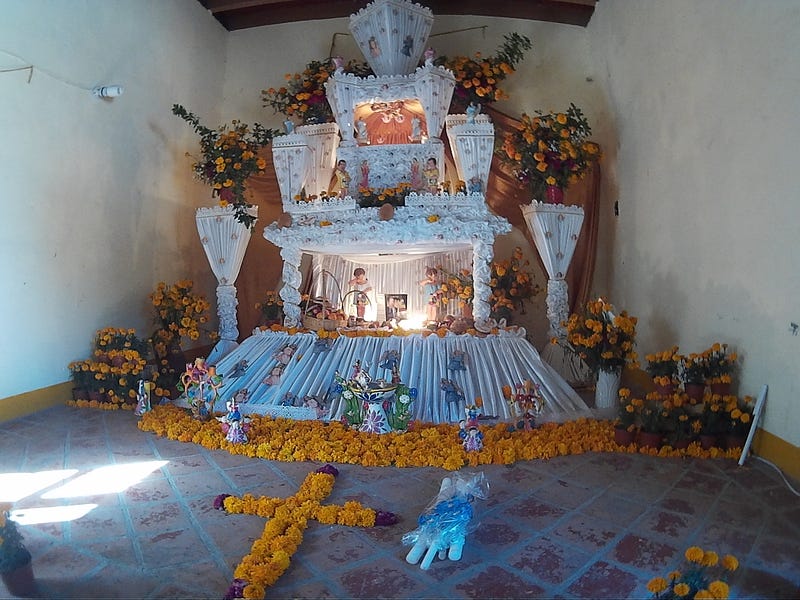
When I was a kid, pictures from unknown people appeared in the ofrenda.
For example, my parent’s grandparents. They were my family but I didn’t get to meet them and I had no souvenirs of them.
Contrary to my grandparents whom I share lots of memories with. We have also lost some other relatives, friends, and very loved pets. At home, there will be a little homage for all of them.
My grandma and my mom will ensure the house is tidy and clean for spirits to come home. They are guests and we want them to feel welcome. We will put a path of cempasúchil petals which strong smell will guide the decedent’s souls.
We are not afraid of spirits to come home because they are family.
We trust that if we clean the bad vibes with copal incense by spreading the smoke throughout the house, our spirits will feel free and welcomed to pass through. We also have the trust that the souls will be thirsty, so we’ll leave a glass of water for them to refresh and can follow their path.
When the ofrenda is already set up my grandma will pray for the spirits she loved. Some tears will fall from her cheeks by remembering they are no longer with us.
But she will always smile because she kept the memories and she trusts God will save their souls and that they will come home every year to spend some time with us.
Día de Muertos is a Remembrance That We Are Alive and to Acknowledge We All Have The Same Path to Follow.
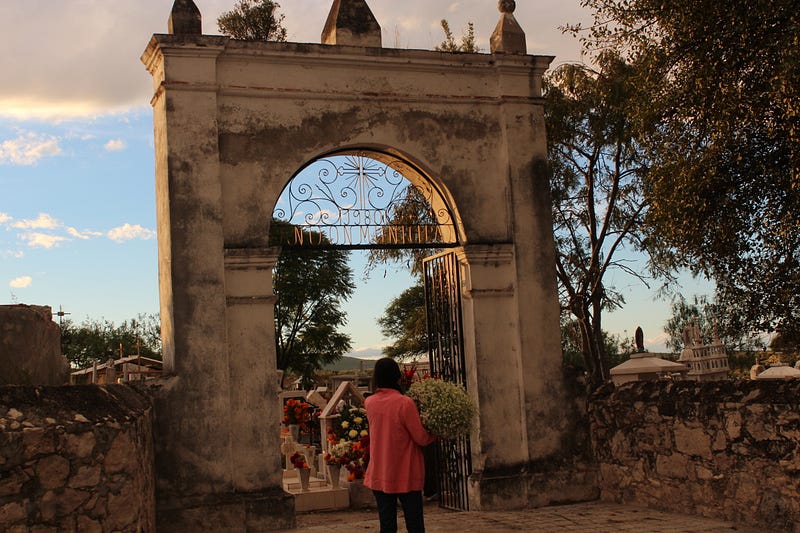
Día de Muertos is a time to acknowledge that we are just passing through this life. And to recognize that the way we follow to the cemetery to spend time with our spirits is the same path we are all directed to.
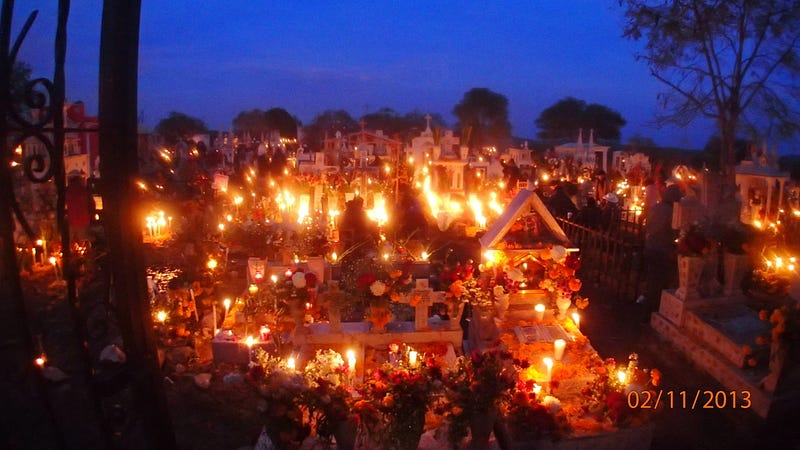
During the night of the 1st and 2nd November, the cemeteries are full of the light of the candles. The mariachis play traditional Mexican music all night long. And there are flowers everywhere. This is a festivity.
What are we celebrating? — LIFE!
We celebrate we are here to be alive, to live and to enjoy our lives.
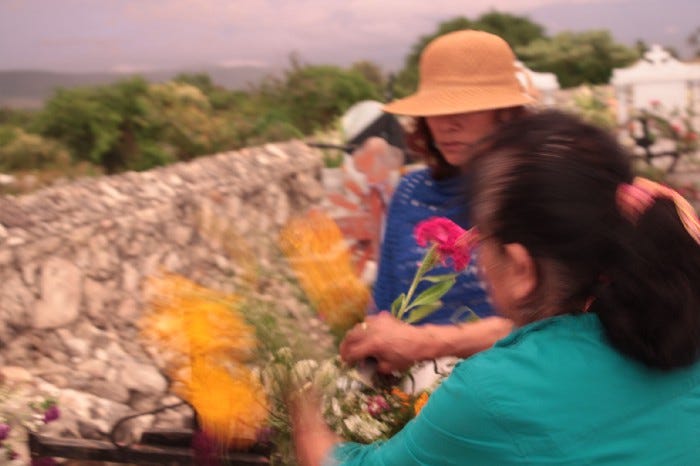
Families would come to the cemeteries to clean the grieves from dust, candle wax, dried flowers and weed. This will be replaced with fresh and colourful flowers. You will also see some pinwheels moving with the wind.
The night will be lighted by candles and moonlight. During these nights there is not darkness. We light up candles so our decadent’s souls can find their way back home to us.
This is how in my Mexican culture we remember and honour our ancestors how have passed away. In your community do you make something similar?
Keep posted to learn more about Mexico and Mexican culture.

Sign up for our newsletter to stay informed with up-to-date curations from our editors.
We now offer exclusive writing services for our members. Discover how you can take advantage of our editing services and more.


