
In Istanbul, Cats are More than a Curiosity; They’re a Historic Legacy
The elegant calico strolled in from the street and through the dining room of our upscale Istanbul hotel, padding gently across the white marble floor, its striking orange-black-and-white coat drawing casual glances from guests speaking softly over their morning coffee.
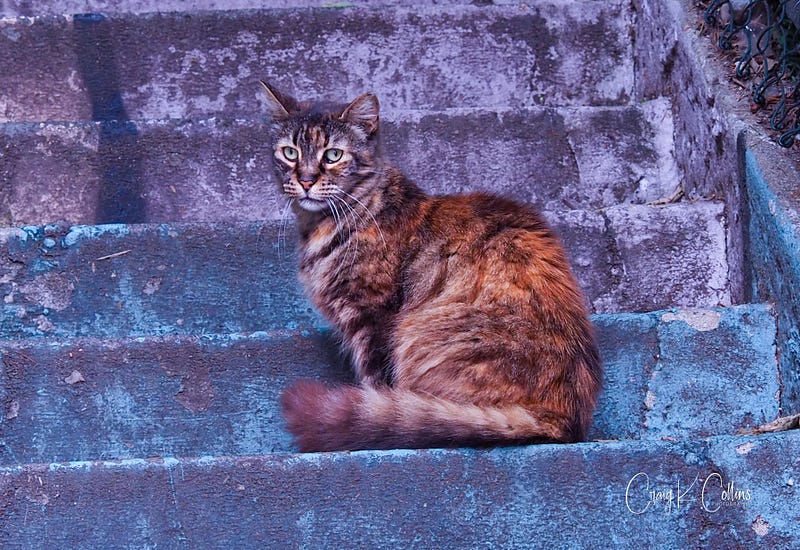
I watched the cat glide between tables and chairs as though it owned the place, which in a way, it did. For this cat apparently was a regular. I was not.
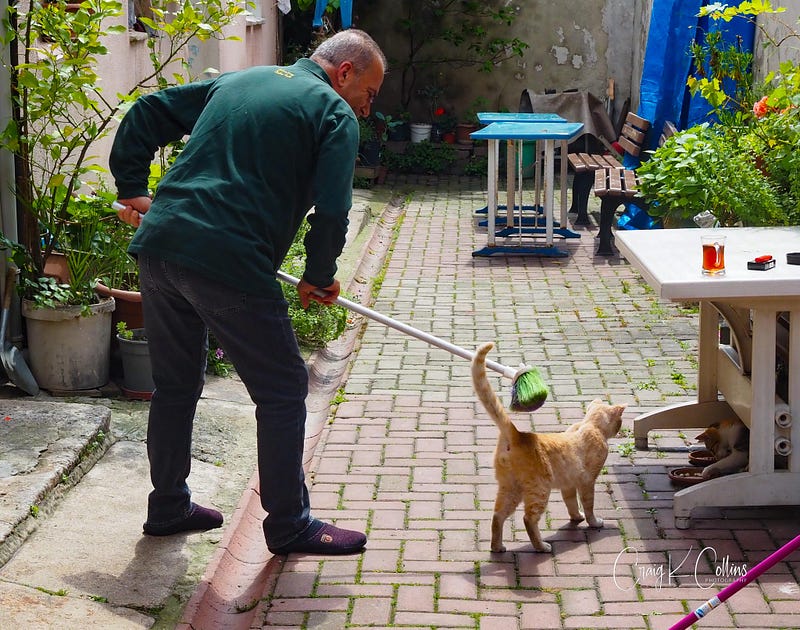
The cat caught the attention of a waiter, and I sat back waiting for drama to ensue. A waiter chasing a cat around a restaurant with a broom should make for some good commotion and hilarity to start the day, I thought. But instead, the waiter simply hurried across the room and placed two small bowls — of the hotel’s good china, no less — one with water, one with food, against the restaurant’s far wall. The cat, indifferent to the five-star service, but expecting nothing less, sat next to the bowls, curled its tail, surveyed the restaurant’s human patrons and began to eat.
Though I was bemused and perplexed by this proceeding, no resident here would give such a thing a second thought.
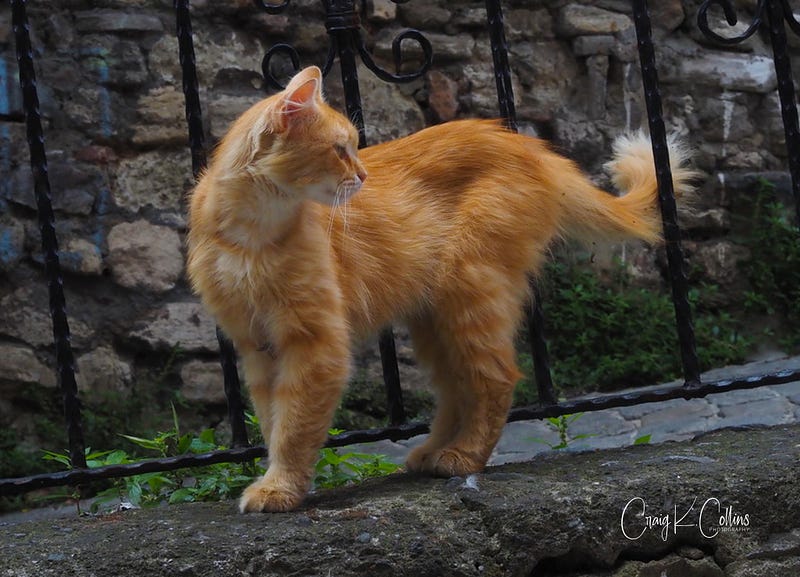
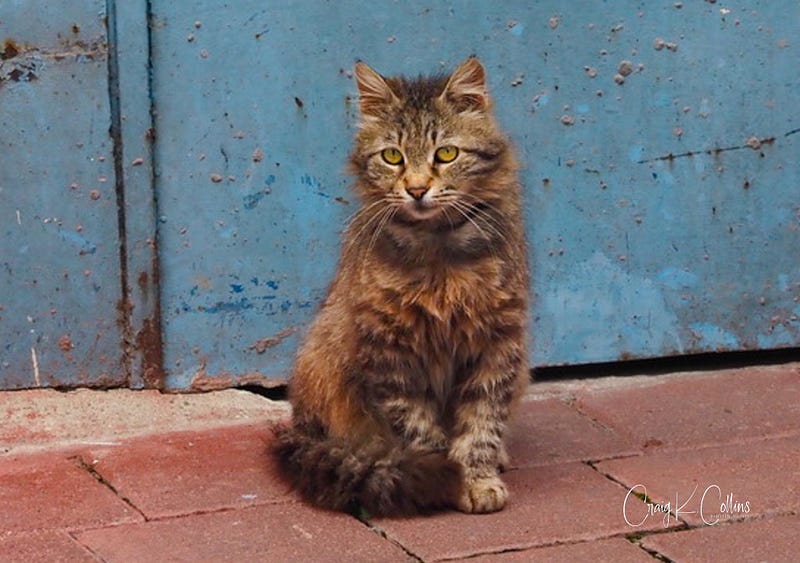
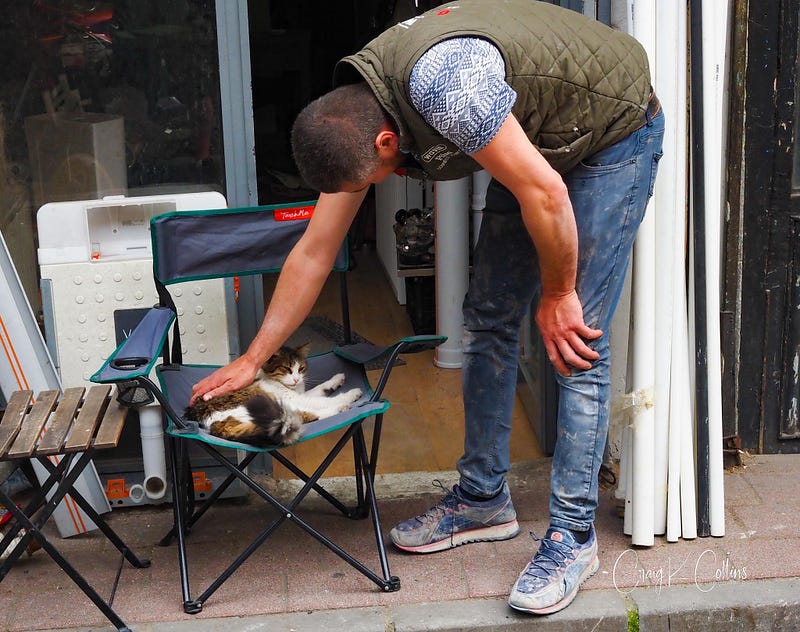
For cats are everywhere in Istanbul. And their abundance here is more than just a curiosity. It’s a cultural tradition with roots that stretch back 10,000 years to the dawn of agriculture in Anatolia and the subsequent first domestication of native wildcats to help fend off rats and mice from stores of grain.
In the past couple of decades, scientists have discovered the oldest evidence of a pet cat — buried with its owner on Cyprus, off the coast of modern-day Turkey, some 9,500 years ago. They’ve also determined through DNA that house cats originated in the Levant and Mesopotamia. Excavation during the recent construction of an Istanbul rail line uncovered a Byzantine pet cemetery dating back 1,500 years filled with cats.
Of course, the Byzantines likely discovered that the presence of cats was essential for the health of its citizens following the Plague of Justinian, which swept through Constantinople in 542 A.D., killing 20 percent of the population. The Byzantines probably knew of the association between the plague and rats, which were hosts to fleas that transmitted the deadly virus to humans.
Subsequently, cats were in high demand. Unfortunately, history repeated itself eight centuries later as the Black Plague returned to devastate Europe from 1348 through the 1600s. This time, however, Constantinople, with its robust cat population, was spared the worst effects of the pandemic.
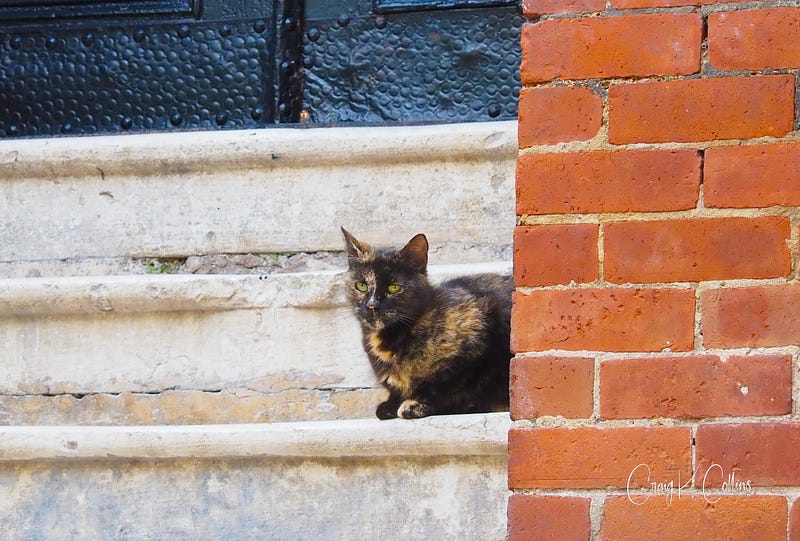
But Europe was not. This was likely due to a cultural and superstitious turn against felines during the Middle Ages, when tales of cats serving as agents of Satan and apprentices to witches were taken to heart. These superstitions took root among the populace, so much so that in 1233, Pope Gregory IX issued the Vox in Rama decree, which was a crusade against Luciferism and included an edict that cats, as known associates of Lucifer, should be exterminated on sight. Within a few years, the whole of Europe was devoid of cats. Thus, the rat population surged, setting the stage for the coming Black Plague.
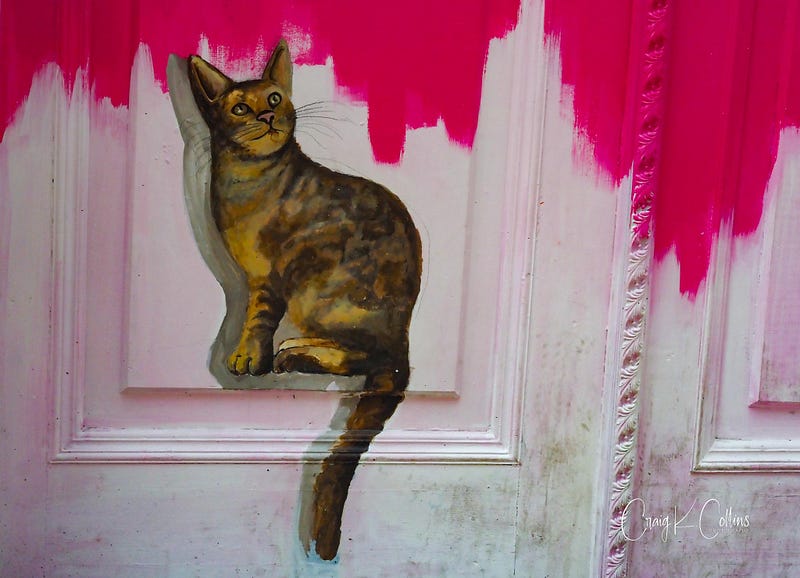
Meanwhile, the Byzantines simply ignored the Pope’s edict and happily tended to their cats, as they still do to this day.
Hence, cats can be seen everywhere here — roaming through back alleys, sauntering down busy boulevards, and keeping vigilance over neighborhoods, both swanky and gritty — for they know that in Istanbul, cats are king and always have been.

Craig K. Collins is a San Diego-based writer and the author of Thunder in the Mountains (Lyons Press, 2014) and Midair (Lyons Press, 2016). He has a novel due out next year. His latest article, The Time of the Painters, appeared in the Winter 2023 edition of Hidden Compass Magazine. You can check out his Hidden Compass: Behind the Byline interview here.


