
In-Depth Analysis: The Dangerous Retreat and Setback at Avdiivka Amidst Lack of Western Support!
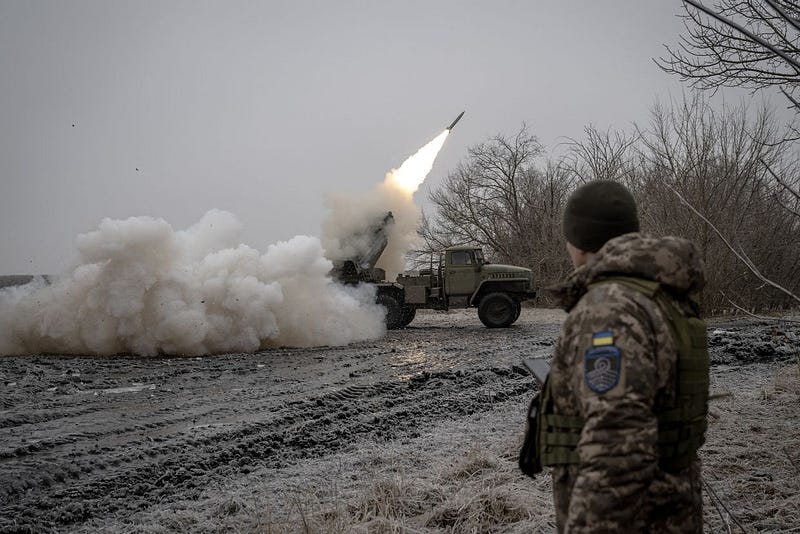
In military terminology, the “line of separation” refers to a narrow zone that divides the combat formations of neighboring units, applicable to both small and large tactical, operational, or strategic groups. Tactical and operational manuals highlight this line as particularly vulnerable to enemy infiltration due to the potential for overlapping responsibilities or the handover of duties between adjacent units. Although such overlaps or handovers are not common, when they do occur, the consequences can be significant. An overly precise announcement of withdrawal can often lead to complications, making this area a focal point for strategic considerations in the conflict zone of Avdiivka.
On February 17, 2024, the newly appointed Commander-in-Chief of the Ukrainian Armed Forces, General Sirski, made a strategic decision that marks a pivotal moment in the ongoing conflict between Ukraine and Russia. He announced the withdrawal of Ukrainian troops from Avdiivka, aiming to prevent encirclement, minimize military casualties, and reposition forces to more advantageous locations west of the town.
The intricacies of the Ukrainian military maneuvers in Avdiivka are shrouded in ambiguity, with reports indicating a withdrawal of the main Ukrainian forces occurring one or two days prior to official acknowledgment. This maneuver left several Ukrainian soldiers encircled and subsequently captured. Such instances underscore a departure from the Ukrainian military’s usual communication strategy, which has traditionally been reticent during critical operations. This shift raises questions about the timing and execution of strategic withdrawals, highlighting a broader narrative of operational secrecy and the challenges of modern warfare.
A quick heads-up: Medium’s been tweaking its algorithms and it’s getting trickier for my stories to land in your feed. So, if you enjoy my work, please make some noise! Hit that clap button, light up the highlights, or drop a comment. Every interaction helps keep the stories flowing. Thanks for your support!
Historically, the Ukrainian army has not been known for its timely updates on significant military actions, as evidenced by the lack of official confirmation regarding the total withdrawal of Ukrainian troops from key locations like Bahmut or Marinka. This pattern of communication – or lack thereof – plays into the larger dynamics of the conflict, where the fog of war is thickened by the absence of clear, reliable information. Such silence can be strategic, serving to obscure the true movements and intentions of forces in the field, yet it also reflects the complexities of engaging in a highly monitored battlefield where adversaries leverage advanced surveillance technologies.

In today’s digital age, the notion that any significant troop movement can remain hidden from an enemy equipped with drones and satellites seems outdated. However, the steadfast defense of a position by a single company or platoon, clinging to a strategic point, can serve multiple purposes. It not only provides hope and morale to the retreating forces but can also craft a deceptive narrative for the adversary, suggesting strength where there is withdrawal. This tactic, while ancient in its roots, adapts to the modern battlefield, illustrating the enduring chess game of military strategy where each move is both a physical and psychological play against the opponent.
Avdiivka, once a stronghold meticulously fortified for defense, found itself transformed from the centerpiece of Ukraine’s defensive strategy to a vulnerable flank in a broader operational-strategic direction. Situated merely five kilometers north of the Russian-occupied Donetsk, a pivotal command and support hub for Russian operations in the region, Avdiivka’s position was precarious from the outset of the conflict. Its sustained resistance stands as a testament to the Ukrainian military’s strategic prowess and resilience. Prepared since 2014, Avdiivka has played a critical role in impeding the Russian offensive over the past two years, showcasing a masterful execution of defense that has captivated the global audience.
However, as the war progressed, the defense system in Avdiivka, referred to by Ukrainian soldiers as the “Avdiivka (operational-tactical) direction,” gradually revealed its vulnerabilities. Russian forces increasingly recognized that overcoming the fortifications north and west of Donetsk was essential for breaking the stalemate. This strategic realization led to Avdiivka becoming the flank of the Ukrainian Operational-Strategic Group (OSG) “Tavria.” Consequently, the line of separation between two of Ukraine’s highest-ranking groups ran just north of Avdiivka, highlighting the shifting dynamics and challenges within the theater of war.
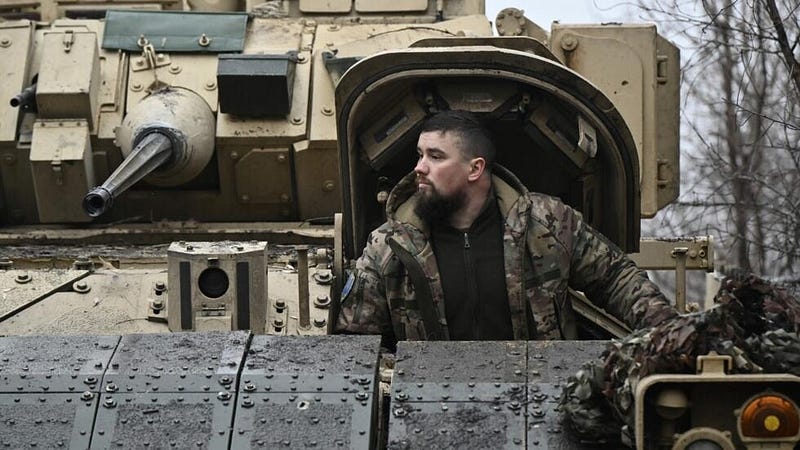
On the front, Ukrainian forces are organized into four Operational-Strategic Groups (OSGs): “Hortitsia,” from the Russia border near the Oskil River to north of Avdiivka; “Tavria,” extending to the west of the Zaporizhzhia Nuclear Power Plant in Energodar; “Odessa,” covering the southern front, including the northwest of the Black Sea; and “Nord,” along the frontier with Belarus and Russia, excluding the Kharkiv region. The most demanding sectors are under “Hortitsia” and “Tavria,” which meet north of Avdiivka.
Insufficient flank coverage can result in the loss of critical positions, a scenario vividly illustrated in Avdiivka where Russian forces deployed over 100,000 troops in an extremely narrow area. This overwhelming presence made it impossible for Ukrainian forces to bring in reinforcements, resources, and, most crucially, ammunition from other directions. The strategic disadvantage faced by Ukraine in this scenario underscores the challenges of responding to large-scale troop deployments by adversaries in tightly constrained battle zones.
The Avdiivka defensive system, which had withstood Russian frontal assaults effectively, was ultimately compromised through encirclement – a tactic made feasible primarily due to the limited ammunition resources, especially in artillery. This encirclement strategy, executed by a Russian force comprising over 100,000 soldiers – a number significantly high for an operational-tactical direction – strained the resources of the “Tavria” group. Concurrently, the neighboring “Hortitsia” group faced an escalation in Russian attacks, particularly on its flank furthest from Avdiivka, in Kupiansk. Over the last four months of intense combat, managing the line of separation between the two Ukrainian OSGs increasingly burdened the “Tavria” group more than “Hortitsia.” This situation highlighted the challenges in resource allocation and strategic positioning faced by Ukrainian forces, as they navigated the complexities of countering large-scale encirclement maneuvers while also dealing with pressing threats on multiple fronts.
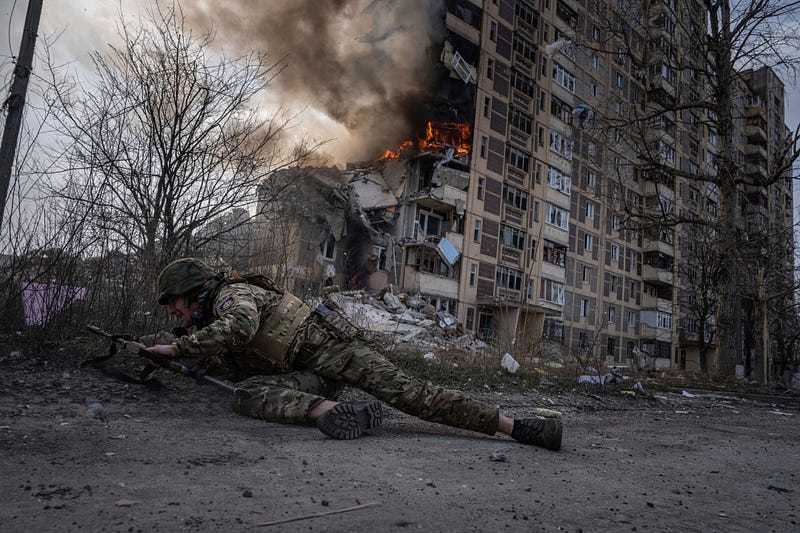
Furthermore, following the announcement by the former Chief of the Ukrainian Armed Forces, General Zaluzhnyi, in an interview with The Economist on November 1, 2023, calling for a new mobilization, it became increasingly evident that reinforcing Avdiivka with additional forces and resources from other directions was becoming unlikely. While a purely logistical maneuver to supply Avdiivka with ammunition might have remained feasible, this option also started to diminish after American support decreased due to internal disputes within the US Congress. This development further complicated the strategic landscape for Avdiivka, indicating the challenges in sustaining defensive operations amidst fluctuating international support.
In addition to the inherent challenges faced by Ukrainian troops in maintaining their positions in Avdiivka, the possibility of differing perspectives among Ukrainian commanding generals cannot be overlooked. Until recently, the Operational-Strategic Group “Hortitsia” was commanded by Colonel-General Sirski, while “Tavria” has been under the leadership of Brigadier General Tarnavski for over a year. Each of them has been responsible for an extremely active front spanning 200 to 250 kilometers. In 2022, these two generals oversaw successful operations in Kharkiv and Kherson, respectively, earning them the status of true legends not only in Ukraine but also among NATO countries. Their leadership in these critical regions highlights their strategic acumen and the significant roles they play in the broader context of Ukraine’s defense efforts against the backdrop of ongoing conflict.
Despite both generals commanding similar force groups, there was a noticeable asymmetry between them. Colonel-General Sirski, who also served as the commander of the Ground Forces, theoretically had access to more resources due to his higher rank and broader authority. On the other hand, Brigadier General Tarnavski, with a lower rank, had authority limited to his specific front area. Interestingly, the former Chief of the Ukrainian Armed Forces, General Zaluzhnyi, was more actively present in Tarnavski’s area of responsibility than in Sirski’s. However, this presence did not necessarily translate into an advantage for Tarnavski, illustrating the complex dynamics of military leadership and resource allocation within the Ukrainian defense structure.
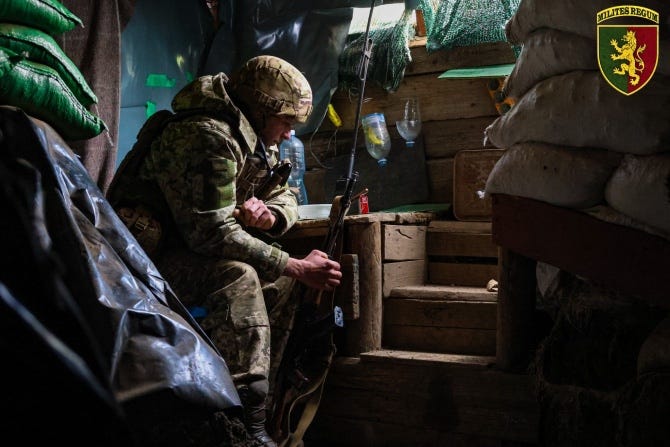
Potential misunderstandings among Ukrainian generals could have originated from the planning stages of the counteroffensive and later intensified as the expected outcomes were not achieved. The entire strategy for conducting the counteroffensive in the summer and autumn of 2023 underwent a significant shift by Zaluzhnyi himself, who, after an unexpected increase in Ukrainian losses during the initial large-scale attacks, opted for a more cautious approach. Tarnavski might have held a different view, but his closeness to Zaluzhnyi, who was considered the main architect behind the modest results of the counteroffensive, could have led to some distancing from him, including by Sirski, and a reduction in the support provided. This scenario highlights the intricate dynamics of military leadership and decision-making in the face of challenging operational realities, where strategic disagreements and the allocation of support play critical roles in shaping the course of military campaigns.
During the counteroffensive, it was likely anticipated that the “Hortitsia” Operational-Strategic Group (OSG) would draw significant Russian forces away from the Zaporizhzhia region, where a major breakthrough in the front was expected. For this strategy to succeed, Ukrainian troops needed to gain the initiative in Kupiansk and Liman, a goal that was not achieved. The situation for the “Hortitsia” group was not favorable at the onset of last year’s Ukrainian counteroffensive. The group was recovering from the loss of Bakhmut after a series of challenging engagements with Wagner mercenaries, which undoubtedly had a lasting impact.
It is evident that the anticipated Ukrainian attack in the directions of Kupiansk and/or Liman, intended to support the Zaporizhzhia front, did not materialize, despite there being limited but successful attacks towards Bakhmut. It’s likely that the “Hortitsia” Operational-Strategic Group (OSG) lacked the necessary resources to launch such an attack, though it’s also possible that this operation was never planned in the first place. Notably, on January 12, 2024, Sirski requested American A-10 fighter jets, indicating a recognition that additional capabilities were needed to achieve more significant results. This move underscores the challenges faced by Ukrainian forces in securing the resources and strategic assets required for effective counteroffensive operations.
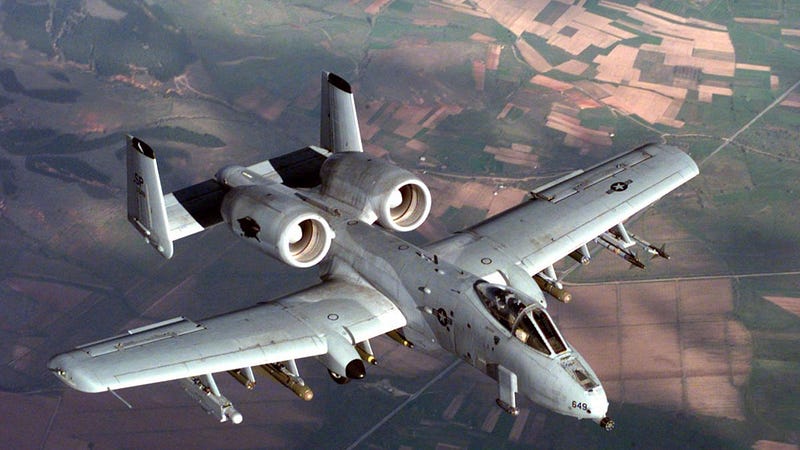
From that moment, Sirski was seen as diverging from Zaluzhnyi’s path, especially after his request for American A-10s was met with unexpected caution by the commander of the Ukrainian Air Forces, General Mikola Oleshchuk. Oleshchuk hinted that his pilots’ efforts should focus on the F-16s instead. Avdiivka faced heavy aerial attacks in its last days of resistance, rendering any defense plan unfeasible and significantly complicating the withdrawal strategy. This development not only highlighted strategic disagreements within the Ukrainian military leadership but also underscored the challenges faced in adapting defense tactics to the evolving dynamics of warfare and resource allocation.
The situation for Ukrainian forces in Avdiivka was further exacerbated by an exponential increase in Russian aerial bombings using guided bombs in the days leading up to the withdrawal, making their position even more untenable. The frequency of bombings reportedly escalated from 10–20 bombs a day to over 500 in the last two or three days before the retreat. However, this information should be approached with caution, as it was primarily sourced from Russian bloggers. This escalation in airstrikes marked a significant intensification of hostilities, complicating the Ukrainian military’s efforts to maintain its positions and manage an orderly withdrawal under increasingly difficult circumstances.
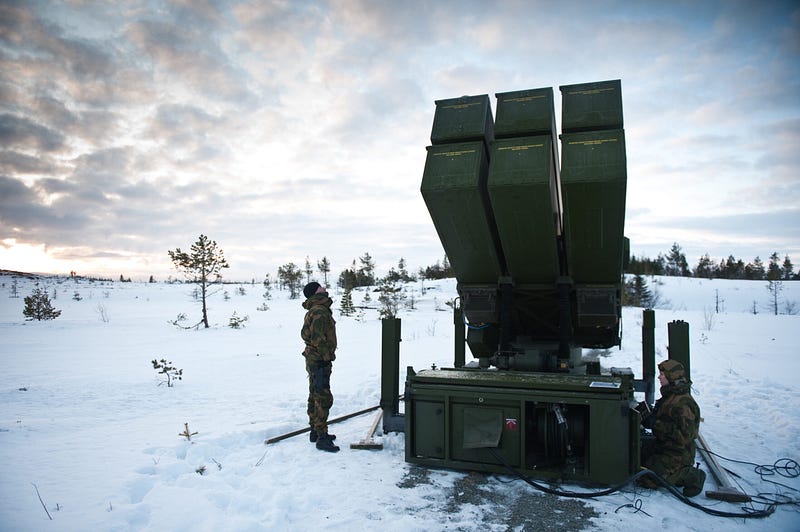
In such a dire situation, it was imperative to conduct the withdrawal under the protection of air defense systems. On the morning of February 17, the day the withdrawal was announced, General Mikola Oleshchuk reported that Ukrainian air defenses had shot down three Russian fighter jets. An additional Russian fighter jet was reported downed on February 18. General Oleshchuk took a significant risk by redeploying Patriot missile systems to the front line area. Had there been more of these systems available, Avdiivka might still be under Ukrainian control. The implication is clear: if systems like the Patriot or NASAMS are not utilized to their full potential in Ukraine now, they may never be, as they risk becoming obsolete in future conflicts. This strategic decision underscores the critical role of air defense in modern warfare and the challenges of resource allocation in sustaining a defense under severe pressure.
In conclusion the ukrainian lines of separation are tactical, whereas Western ones are strategic. The Ukrainian defense operation at Avdiivka, carried out from October 10, 2023, to February 17, 2024, despite being executed professionally under conditions of clear numerical inferiority, inflicted significant losses on Russian forces (47,000 soldiers, 360 tanks, 250 artillery systems, 750 armored combat vehicles, and 5 aircraft). However, it also exposed some divergences among Ukrainian generals.
However, it remains unclear whether the differences among the generals played a decisive role in the loss of the fortified positions in Avdiivka, which had held out for nearly two years. The situation has been and continues to be challenging across the entire front, with a significant increase in the intensity of attacks in the Kupiansk direction at one point. Therefore, executing a maneuver from the “Hortitsia” to the “Tavria” direction on a scale impactful enough to make a difference was difficult to achieve.
Instead, what would have made a significant difference is if Russian aircraft had been unable to conduct bombings. The fact that Avdiivka withstood four months of prolonged and exceptionally intense assault suggests a well-conceived plan that gradually faltered as resources dwindled. It’s more certain that if Ukrainian soldiers had had enough ammunition, they wouldn’t have reached such a critical situation where any minor mistake could worsen the circumstances.
Initially, the line of separation is an objective demarcation, agreed upon and to be managed accordingly. Over time, it evolves in the minds of leaders, becoming more subjective, expanding or contracting based on their beliefs and decisions. Some lines of separation are tactical, while others are strategic. The division between the “Hortitsia” and “Tavria” groups, as well as those among Ukrainian generals, appear to be of strategic nature. This progression from an agreed-upon boundary to a more fluid, leader-interpreted divide underscores the dynamic interplay between strategy and leadership perceptions in conflict management.
However, these considerations are minor compared to the implications of internal divisions within the European Union and the United States. The West manages defense resources amounting to hundreds of billions of euros that could decisively influence the outcome of the war. There is still time, as Ukraine continues to have devoted soldiers. Yet, economic and political differences within the West, normally reconcilable, could delay support beyond the point of no return, where no amount of advanced weaponry could alter the outcome. The fallout from such a delay would be more catastrophic for the West than for Ukraine, highlighting the critical importance of unity and timely action in the face of geopolitical crises.