
In Defence of Insulin
Is it a scapegoat of today’s nutritional metabolic problems?
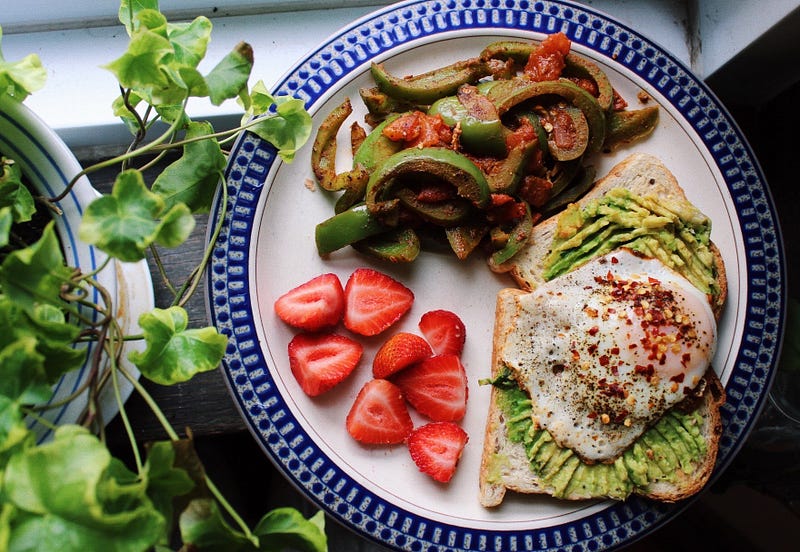
If you’re even somewhat well versed in today’s “nutritional pop-culture” you have likely seen that carbohydrates, whole-grains, cereals, starchy vegetables, fruit and sweets — or anything composed of the unsuspecting monosaccharide; glucose, is very much out of style.
This also conveniently coincides with the rising incidence of people living with obesity, hypertension, type II diabetes or other cluster of metabolic risks which are known as metabolic syndrome. Many self-proclaimed “nutrition coaches”; doctors with minimal nutritional education or individual’s with promising success stories currently dominate the nutritional main-stream media; offering a glimmer of hope in an era of metabolic dispair — could the low-carbohydrate diet be the answer to all of our nutritional struggles?
Whether this is in an effort to truly improve the health and nutritional status of an individual, or to capitalize on the vulnerability of those with diet-related chronic diseases to purchase their new “Keto” book or diet plan — any change in diet demands a background of evidence-based nutritional science, which should be accesible and translated to help the public’s autonomy in making nutritionally sounds choices.
You’ve likely heard the low-carbohydrate narrative constructed with some of the following statements:
1) Insulin is the fat storage hormone.
2) Carbohydrates cause huge spikes in insulin, leading to weight-gain.
3) Eating a low-carbohydrate diet activates our satiety signals and hormones, making us eat less.
4) A low-carbohydrate diet can reverse type II diabetes.
5) Nutritional authorities, dietitians and doctors reject a low-carbohydrate diet due to industry pressures.
The issue with these statements is that they don’t tell the entire story — and when deciding if a low-carbohydrate diet is right for you, it’s not as black and white as it may appear as everyones metabolism, insulin sensitivity and gene expression is different. This increases in complexity when applying these diets within the context of chronic diseases; including obesity and diabetes.
For this reason, any individual considering a change in their diet should consult a Registered Dietitian, the only nutritional professional who is qualified to provide you with tailored, individual nutritional advice.
Let’s delve in
1) Insulin is the fat storage hormone.
Insulin is a hormone that is released from our pancreas during the “fed” state, or when the nutrients from a meal are broken down and released into our bloodstream to be used by our body. Insulin act’s as a “key” to unlock insulin-dependant organs access to the glucose in our blood-stream, namely the heart, fat tissue and muscles.
Saying that the sole purpose of insulin is to store fat ignores the complex and intricate metabolic regulations of the human body.
Also, insulin is released when there is not only a rise of glucose (from carbohydrates) in our blood stream, but also when there is a rise in amino acids (from protein). Many advocates preaching the low-carb/anti-insulin narrative often conveniently ignore, or are not aware of this fact.
Once glucose or amino acids enter the cell thanks to insulin, the body has it’s own “priorities” to meet other than simply storing fat. This includes stimulating ATP production for the cell, anabolic protein and glycogen synthesis and restoring our blood sugar and amino acid concentrations back to baseline.
Snack break: Glycogen storage, found in our liver and our muscles, is evolutionarily speaking, a life-saving source of blood sugar (or energy). When faced with a fight-or-flight situation, adrenaline will elicit the breakdown of glycogen into glucose, providing us the energy to fight or flight the stressor.
If the needs of the cell is met, but there is an excess of energy which remains in the bloodstream (or in other words, if we consume too much energy for our body’s needs) insulin will then facilitate the storage of fat into the adipose tissue. However, this mechanism does not discriminate between the type of macronutrient which is found in excess within the diet.
All macronutrients; fat, protein and carbohydrates are made out of carbon — which if present in excess, can be rearranged into a triglyceride to be stored in our fat tissue and consequently lead to weight-gain.
Therefore, it is not only carbohydrates — it could be an excess fat or protein leading to weight-gain and fat storage.
2) Carbohydrates cause huge spikes in insulin, leading to weight-gain.
In a healthy individual, our levels of insulin in circulation remains tightly regulated — even after consuming a meal high in carbohydrates (even the occasional refined carbohydrate!). For the most part, as long as an individual remains within a healthy body-weight, insulin spikes are kept within a normal, healthy range which is not conducive to weight-gain.
However, the difference in insulin levels varies greatly in a healthy individual compared to someone with insulin-resistance. How does insulin-resistance occur? It’s not directly from the over-consumption of sugar, but from the presence of excess body weight. Any excess of fat tissue contributes to inflammation, and the fat deposits around our organs interferes with insulin-signalling. In this case, insulin levels are chronically higher at all times because the body is working harder to make sure blood sugar levels return to normal.
The difference in insulin levels varies greatly in a healthy individual compared to someone with insulin-resistance.
Insulin does facilitate fat storage in the presence of excess energy intake, and it also inhibits the breakdown of fat — ultimately creating an environment conducive to weight-gain in an individual with insulin resistance. This is the overarching rationale in prescribing a low-carbohydrate diet for those with insulin resistance.
What can improve insulin-resistance? The opposite of what causes it.
Weight-loss improves insulin resistance. A recent randomized controlled trial points to similar weight-loss between those who followed a high-quality low-carb and high-carb diet. Rather than pointing to a certain macronutrient causing weight-loss — the common denominator between these diets is that they were consumed at an energy deficit, causing weight-loss and improving insulin signalling.
3) Eating a low-carbohydrate diet activates our satiety signals and hormones, making us eat less.
When a diet is low in carbohydrates, it means that the proportion of calories increase from fat and protein — macronutrients which are considered to increase satiety, thus reducing overall energy intake and leading to weight-loss.
This makes sense, and it’s absolutely true. I’m sure we have all experienced the advantages in having a breakfast which included fats and protein (such as eggs, bacon, avocado, peanut butter) compared to one mostly comprised of carbohydrates (white toast, jam, sugary cereal). However, the determinants of satiety is much more complex than simply the macronutrient composition of the diet.
However, I believe one of the most overlooked items in inducing satiety, is the hormone insulin itself. This is one of the primary hormone’s which feeds back to our appetite-control centre in our brain to decrease our appetite. Our body is smart — insulin is released when we are in the “fed” state, thus it functions to tell our brain that we don’t need any more nutrients from diet, consequently decreasing our appetite. This is one snap-shot into our bodies complex homeostatic appetite-control mechanisms.
Now, if insulin really decreases appetite — why do we experience less satiety after consuming a processed high-carbohydrate breakfast (think white bread, sugary cereals) compared to a low-carb, high-fat, high protein breakfast (think bacon, eggs, avocado, peanut butter)?
To answer this question, we have to remember an important overarching theme in nutritional science: No food, or macronutrient is ever consumed in isolation, and consequently, we cannot condense our bodies complex response to food by blaming any single entity.
A high-fat/high protein breakfast sustains appetite as studies find that it increases the peptide PPY (which decreases hunger) while decreasing Grehlin (which increases hunger). However, a high-protein breakfast will also elicit a release of insulin — which will also decrease hunger within our homeostatic pathway … see what I’m getting at here?
No food, or macronutrient, is ever consumed in isolation.
No one is recommending a refined high-carbohydrate breakfast, and it would never be a nutritionally optimal choice for breakfast — however that doesn't mean the answer is immediately to go low-carb and only eat bacon and eggs for breakfast.

We could easily enjoy a bowl of oatmeal, with peanut butter and fruit.
While higher-carbohydrate, the protein and fat content of such a breakfast is not to be overlooked: 1 cup of oats, with 1 cup milk and 1 TBSP of peanut butter would yield about 18 g of fat and 22 g of protein — allowing us to reap the satiety inducing benefits of fat and protein without sacrificing carbohydrates.
Also — let’s consider the hedonic pathway one last time: Do you really want to eat steak and eggs for a marginal increase in “satiety” at breakfast?
4) A low-carbohydrate diet can reverse type II diabetes.
The pathophysiology of diabetes is extremely intricate, and to overlay this with a low-carbohydrate diet only deepens the complexity of the disease.
Snack break: Prior to the discovery of insulin Dr. Frederick Banting in 1921, physicians often prescribed a low-carbohydrate diet to diabetics as they found they were “better off”. Now, we use insulin as medicine to mimic the normal physiological state.
Nonetheless - I am going to only describe a few “grain-of-salt” considerations concerning treating diabetes with a low-carbohydrate diet which should be further discussed with a health-care team, including a Registered Dietitian:
- Insulin signalling will improve drastically if weight-loss is achieved, and we know that weight-loss can be achieved on a diet of varying macronutrient compostions: The best diet for weight-loss is the one that you can stick with, and for some this may be a lower-carb diet, for others it is one that includes complex carbohydrates.
- Insulin doesn’t only control carbohydrate metabolism. It increases satiety, stimulate protein synthesis and allows the cell to access energy. If we omit insulin, we are missing out on many other functions.
- In the case of poorly controlled diabetes, improper insulin signalling will produce ketone bodies to serve as an alternative source of fuel in the blood stream. Some professionals have expressed concerns with increasing this existing concentration of ketone bodies by consuming a low-carb diet.
- Diabetics are at a greater risk of heat disease, and nutritional science is still unsure whether replacing complex-carbohydrates with saturated fat will have a positive impact on blood lipids, such as decreasing LDL-cholesterol. This is also highly variable by the individual.
5) Nutritional authorities, doctors and dietitians are lying to us.
This is where I want to emphasize the key difference between public health messaging and individualized nutritional interventions.
On a population level, there is simply not enough evidence to support a low-carbohydrate diet as a model diet for a healthy individual, or as a keystone nutritional intervention for chronic-diseases.
However, there is room for flexibility within a personalized nutritional intervention, where a Registered Dietitian can examine all the factors to help you with your diet to achieve your goals — which could include a lower-carbohydrate diet.
As with all science, people need to be skeptical. A historic lesson in nutritional skepticism is when The Sugar Institute funded-studies to blame fat instead of refined carbohydrates on coronary artery disease in the 1950’s and 1960's, which had a tremendous influence on our nutritional landscape. However, there has also been lobbying from the Meat and Dairy industry to have their own food-group in National Food Guides in efforts to promote the agricultural sector.
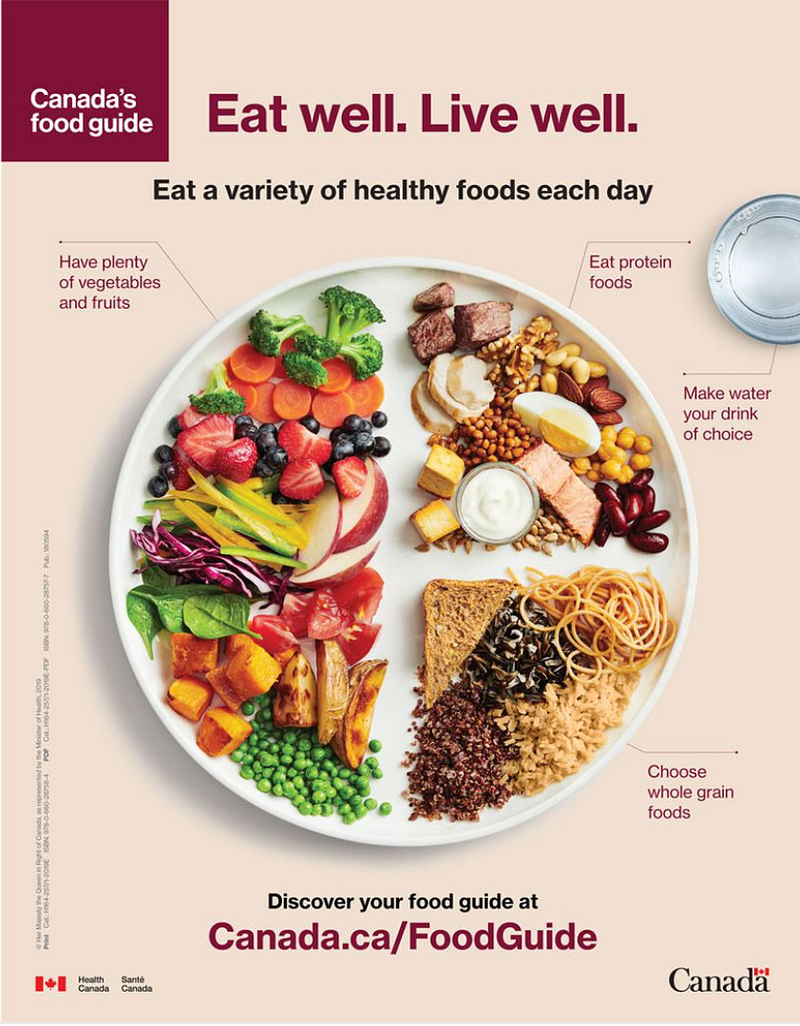
In light of this, the recent Canada’s Food Guide, released in January 2019 resisted these industry pressures; releasing a guide firmly rooted in evidence-based nutritional science. As a result, the previous “Milk and Alternatives” and “Meat and Alternatives” food groups have dissolved into a “Protein” food group — representing the diversity of foods we can source quality proteins from.
The bottom line
Overzealous nutritional advice from books written by doctors, individual online anecdotes and even dietitians must be taken with a grain of salt, and perceived through a lens of skepticism. Remember that the one to come up with the new, exciting and promising diet to reverse anything, is also the one to make the most money.
Furthermore, many diets which are based off one certain macronutrient often completely dismiss the complexity of food, nutrition, the psyche and the human being. Remember, not one certain food, or macronutrient is consumed in isolation.
If anything, the rise of obesity is not because we stopped consuming a low-carbohydrate diet. If speaking exclusively diet-wise, the rise of obesity is more likely due to the overconsumption of cheap, readily-available processed foods: which encompass carbohydrates, protein and fats, alike.
And no health professional, or organization is advocating for that.
Kristen Sunstrum is a dietetics student who believes that nutrition extends beyond healthy foods.
Any individual is strongly advised to consult with a Registered Dietitian before making any changes to their diet. I am not yet a Registered Dietitian, and this article is not a substitution for medical advice.