Impressionism: A Poetic Dance of Light and Emotion
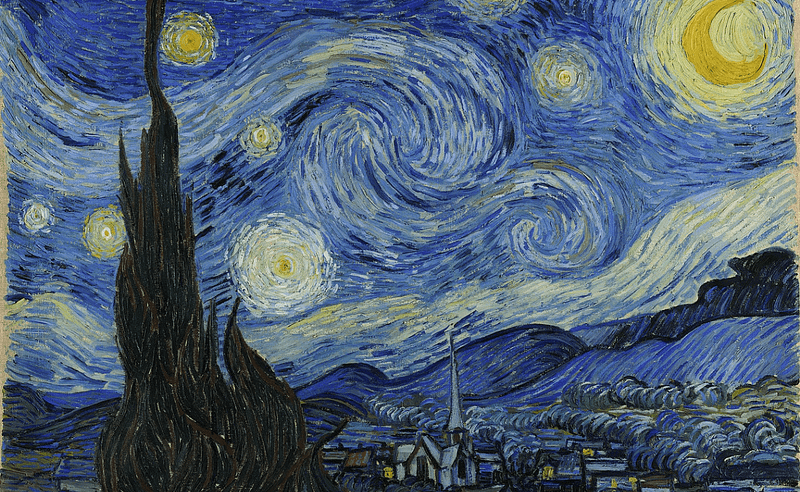
In the heart of the 19th century, a remarkable artistic movement was born, one that dared to challenge the rigid boundaries of traditional art and gave birth to a captivating new world of color, emotion, and light. Impressionism, a term that aptly embodies the fleeting, ethereal essence of this art form, swept across the canvas of history like a gentle breeze through a summer meadow. In this article, we embark on a poetic journey through the enchanting world of Impressionism.
A Symphony of Brushstrokes
Imagine a canvas bathed in morning light, filled with colors, each stroke of the artist’s brush akin to a musical note on a composer’s sheet. Impressionism is the art of capturing the essence of a moment, a snapshot of life, in a way that transcends mere representation and taps into the deepest corners of the human soul.
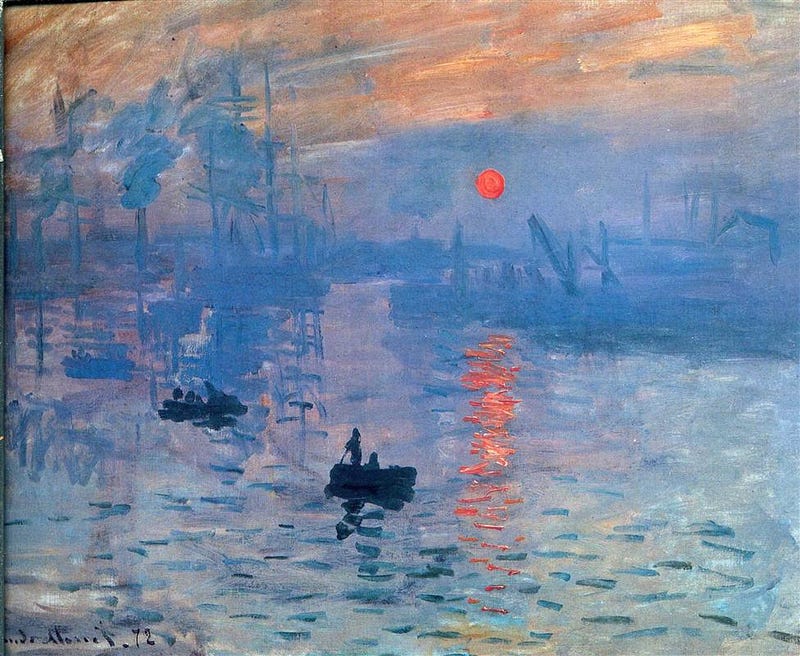
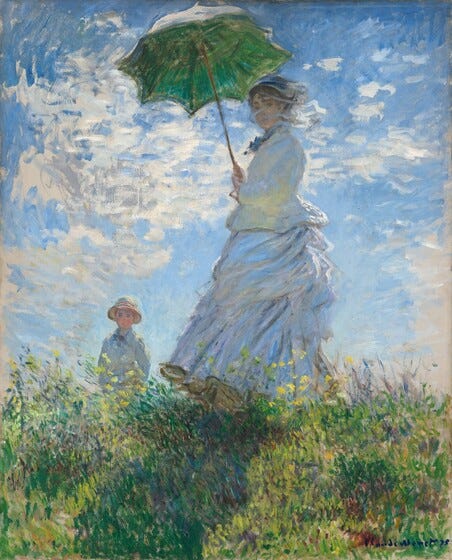
Impressionist painters like Claude Monet, Pierre-Auguste Renoir, and Camille Pissarro, to name just a few, were the maestros of this symphony. With delicate and dexterous brushwork, they summoned the hues of dawn and dusk, the whispers of the wind, and the reflections of the world on rippling water. These artists were not merely painters; they were sorcerers, conjuring the magic of the everyday.
Capturing Time’s Elusive Dance
Impressionism dares to capture the essence of a moment in time, evoking the sensation of a sunbeam warming your skin or the gentle rustling of leaves on a breezy afternoon. It does not seek to preserve an unchanging reality but rather to encapsulate the ever-changing interplay of light, atmosphere, and emotion.
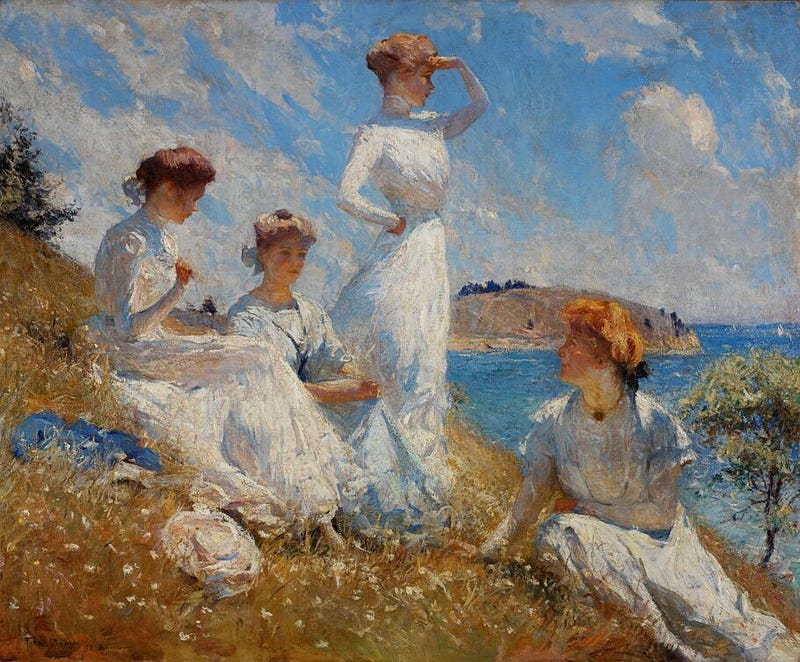
Each painting invites you to step into a world of ephemeral beauty, where a bouquet of wildflowers bathed in the soft glow of a setting sun feels like a dream. The pastel-colored gardens of Monet’s Giverny or the sun-kissed Seine River in Renoir’s “Luncheon of the Boating Party” transport you to a place where time dances lightly on the petals of flowers and the water’s surface.
The Impressionist’s Palette
The palette of the Impressionists is filled with vibrant, harmonious colors. They broke free from the muted, restrained hues of the past, embracing the vivid spectrum of life. Sky blues, rosy pinks, and leafy greens mingle with the ethereal glow of dappled sunlight. In their hands, a field of poppies bursts into a riot of crimson, and a still life becomes a living, breathing entity.
The Soul’s Awakening
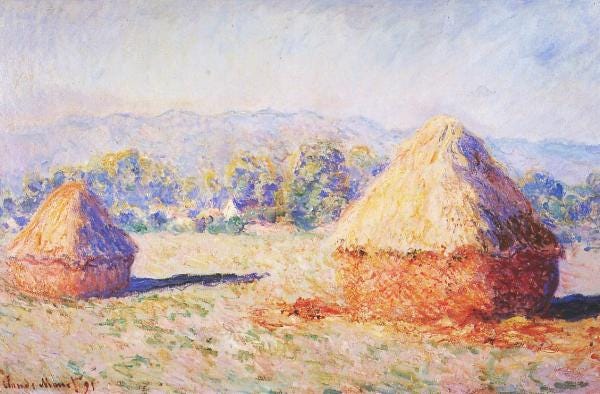
The essence of Impressionism is not merely the portrayal of an object or a scene; it is a reflection of the artist’s inner world, a mirror held up to the viewer’s soul. When you gaze upon an Impressionist masterpiece, you don’t merely see; you feel. A sense of tranquility, nostalgia, and even a touch of melancholy may wash over you as you dive into the world they create.
The Poetry of Imperfection
Impressionism stands as a testament to the beauty of imperfection. Each brushstroke is not a calculated rendering but a free-spirited gesture, and the “unfinished” quality of these paintings only adds to their charm. The imperfections capture the fleeting nature of life, reminding us that nothing remains the same.
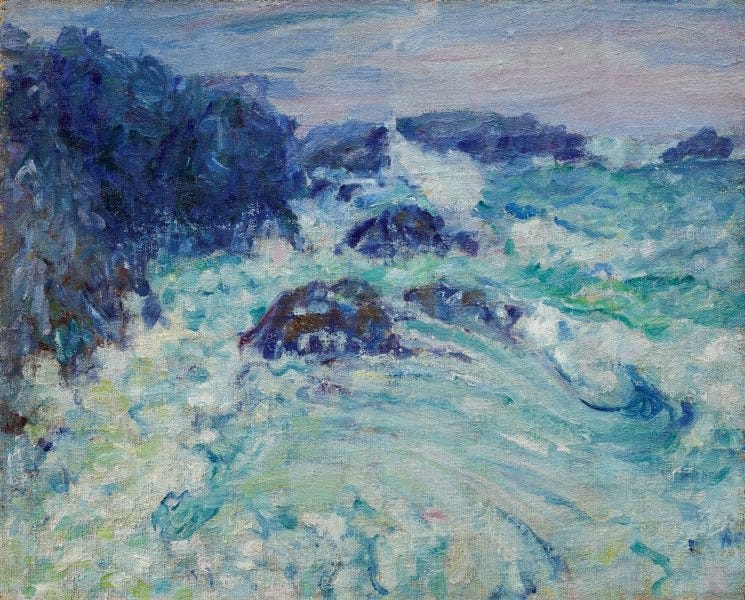
Impressionism is poetry on canvas, a celebration of life’s transience and the fragility of our human experience. It urges us to appreciate the world around us with the eyes of an artist, to see the beauty in the everyday and embrace the profound depth of the fleeting moment.
In a world where time races by, Impressionism serves as a reminder that there is magic in the mundane, and that beneath the brushstrokes of life, there lies a masterpiece waiting to be uncovered. It is an invitation to embrace the world with open eyes and an open heart, to see, feel, and experience the ever-shifting nature of existence.