
Imperfect Replication
to a molecular biologist
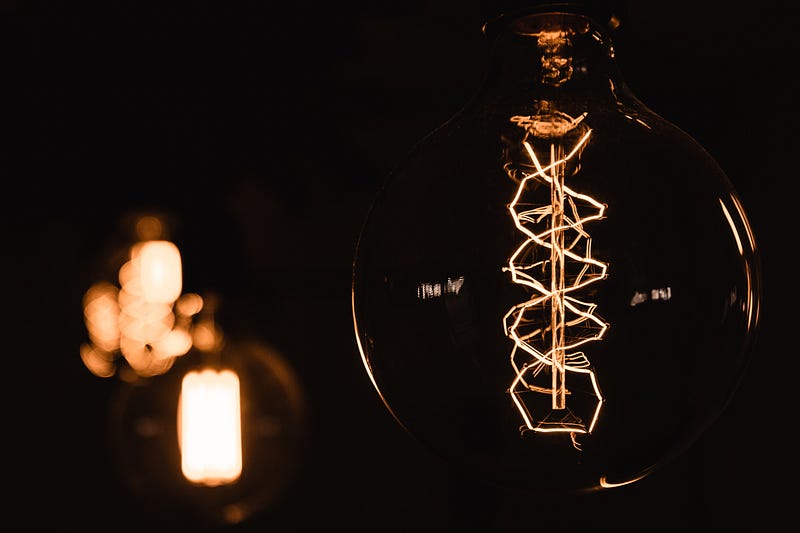
I wrote this around 2004 for a friend. She was among the smartest people I have ever known personally, a researcher studying DNA repair, the process by which our cells scan for and correct errors in chromosomal replication during mitosis, thereby preventing most mutations.
Some say the cell remembers, that experience persists within our nucleotides, competing there — all logic notwithstanding — with ancestral lessons, archetypes first named by Mother Eve back in the garden and inscribed upon her mitochondria.
You and I know better. We have no truck with trendy superstition and expect no healing magic from my mineral collection. We are certain God is just as weary of those mystic new-age revelationists as he is of those whose darkly obvious designs upon our children’s minds are just intelligent enough to be alarming. We know better than to credit educated chromosomes, respect the fierce conservatism of our DNA, that double-checks each replicant, relentlessly on guard against the sport that heeds not precedent. See no evil, learn no evil, do no evil but that evil done before, to which amoral Nature is indifferent, fearing only mutant possibilities. We do not change. That simple truth would bid us keep our hopes confined to new synaptic growth on aging dendrites. Yet I will ask you, can we never learn to be what we were not before? Are we forever limited to rearranging lines from scripts we mastered in our childhood, selecting, from the altogether too familiar options, whichever one seems most endurable? Or can grace parachute into lives hungering for purpose-bearing choices? Where would we, then? I say we cut cross-country, striving to avoid the tempting cul-de-sacs of endocrine imperatives, craven ruts of social expectation, and with eyes and minds wide open seek the path yet undefined to destinations nonexistent till we name them.
The sport, the deviation, singular imperfect replication that against all odds escapes the censor’s jaded vigilance, sensing fresher air, takes that first lurching step into uncharted territory, free.