CREATIVE ADVENTURES — 55
Imagine You Have A Perfect Memory
You Can Remember Anything and Everything
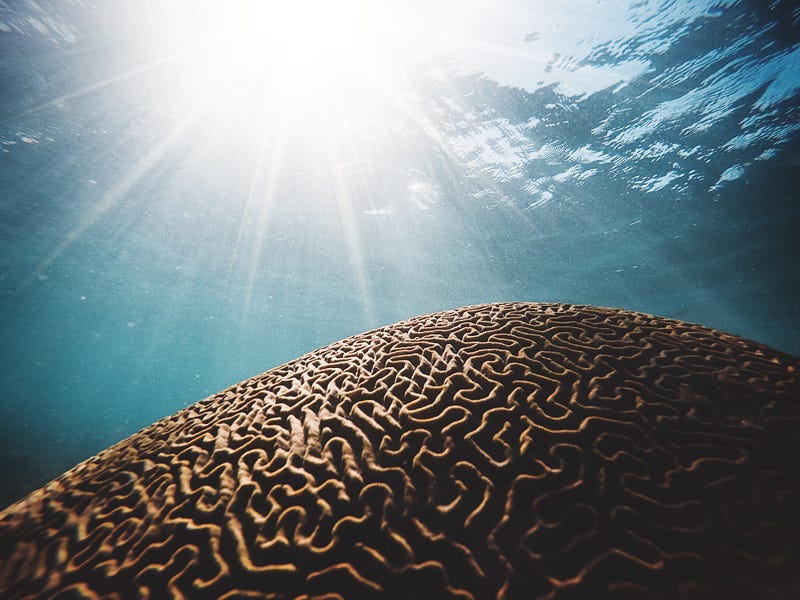
In this exercise, imagine that you have a perfect memory. You can remember all the details of anything you have ever seen, read, or experienced.
In fact, this condition is called ‘hyperthymesia’ and it is not as glorious as it sounds. People having this condition can remember their life experiences in vivid details, however, this constant stream of memories causes significant disruption and fatigue in their lives. It feels like a running movie that never stops. So, this strange ability is actually a curse.
For the sake of this exercise, let us focus more on the positive aspects of perfect memory. Please respond to the following questions:
- Many superheroes have a perfect memory, capable of retrieving all the details of their experiences. Imagine that you have perfect memory and you can remember vivid details about anything you wish. How would you use such memory and power? Write a story where you use this power and make the world a better place.
- Imagine seven scenarios and cases where this superpower could become handy. Perhaps you can help capture criminals or rescue lives? Or you would not forget names and faces? What else?
- Write down a legal thriller story where you are called as a witness to ensure justice.
- Write down a psychological horror story where you are dealing with the dark side of this power: The distress of not letting go of bad memories. You feel trapped. How do you cope?
- Forgetting is a natural part of being a human. We tend to forget many things in our daily lives. New technologies such as Neuralink will put an end to this and enable our brains to have perfect memories augmented by artificial intelligence. Elon Musk says: “You will be able to save and replay memories. You could basically store your memories as a backup and restore the memories. You could potentially download them into a new body or into a robot body.” Think about the implications of such technologies and create at least 15 ideas on how we will experience these technologies. For example, we will be able to record, capture, and send our lived experiences to our friends. However, we will also experience a lot of potential challenges and nightmares in ensuring the privacy of our memories. As our memories leave the realm of biology and enter the realm of technology, how will our civilization change? How will our relationships change? What about shared memories — who will have access to them? Who will have the right to own, share, or delete these shared memories? How will we change as individuals when we can erase our bad memories with a click? Brainstorm and write down the implications.
- Write a Black Mirror episode (i.e. a horror story) where your private memories are hacked, stolen, or exposed.
- Which periods and experiences of your life would you like to remember more? Create a list of the top 10 moments, experiences, or memories that you would like to recreate or amplify.
- Which periods and experiences of your life would you like to forget? Why do you wish to forget these? Imagine that you have the technology to delete or alter these negative memories. Would you use this technology? What would be the unexpected side effects of using such a technology? Would you stay the same person without these memories (as these experiences have shaped you as an individual)?