
THOUGHT EXPERIMENT
Imagine if We Lived Forever But Our Brains Had Limited Memory Storage
Two possible scenarios with a potential fix, but it could go badly wrong
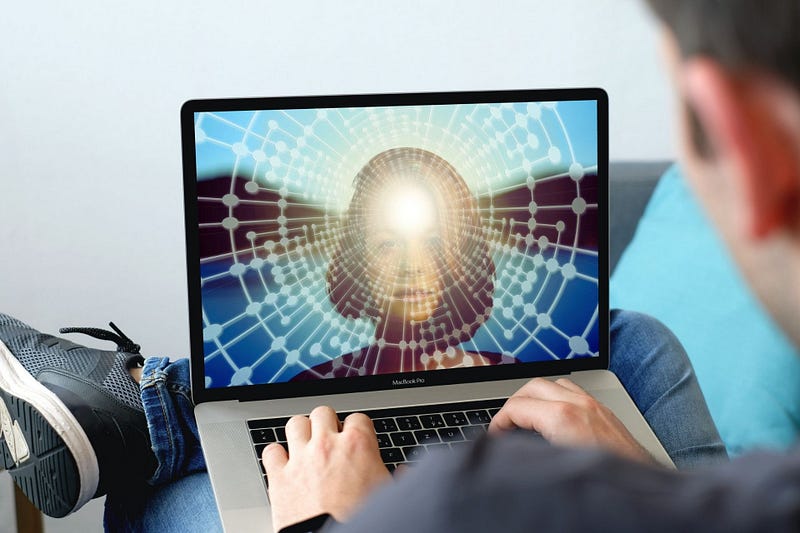
Imagine if scientists were able to prevent ageing. Once you got to your physical peak, about 25-years-old, you could go and get an injection. This would be like a vaccination against ageing.
You would remain physically 25 forever. Things would only go wrong with your body if you got ill or injured. So, if you lived a safe, healthy life, you could live for many hundreds of years.
One problem, though. You would still have a limited amount of brain cells. So, there would only be enough space in your brain to store a certain number of memories.
This means one of two scenarios would happen:
1. You would reach a point where you can no longer store any new memories.
2. You would be able to make new memories, but only by overwriting old memories.
Let’s explore each of these scenarios in turn.
Scenario #1: No new memories
This would become a disabling experience. You wouldn’t be able to learn new skills, make new friends, or remember what you had just been doing. You would forever live in the past.
We can discard this option. A person who is unable to make any new memories would quickly get into trouble. It’s doubtful they would be able to stay alive for long beyond this point.
Scenario #2: Old memories are overwritten
This is the better of the two options. At least with this one, you can continue to function as a normal human being.
But there would come a point in your life where you would no longer be able to remember who you used to be. For the sake of this thought experiment, let’s say your brain can hold up to 200 years of memories.
Let’s say you were born in 1980. The year is now 2480 and you are 500 years old. But in terms of your memories, you were born in 2280. You have no memory of the first 300 years of your life.
Would you still be the same person you were all those years ago?
You would still look the same, apart from any scars or disabilities from serious injuries. If you’d lived a safe and healthy life, you would look like the same 25-year-old you had for so many years.
You would still have the same genes. So, physically, you would still be you.
But hundreds of years of life would have shaped you into a different person. And if you saw a video of yourself from 400 years ago, you would feel confused. You would wonder who that other person is who looks like you. They would be behaving in ways that would feel alien to you.
Is technology the answer?
So, let’s imagine if we could get around this using technology. Imagine a brain implant that could store a thousand years or more of human memories.
But what if some things are best forgotten? Do we want to remember everything from hundreds of years ago? What if your old self was a rapist and 450 years of self-development had turned you into a far better person?
And what if it was possible to hack the chip in your brain? What if a hacker could give you memories that aren’t yours?
Come join Medium and support me and thousands of other writers by signing up for a membership. It’s only $5 per month. You could also make money by writing too. The top writers can make $500+ per month. Sign up with this link, you’ll support me directly and it won’t cost you any extra. Thank you in advance.


