
A Short Scientific Explanation of Imagination
How your neurons are stimulated into images of things that are not
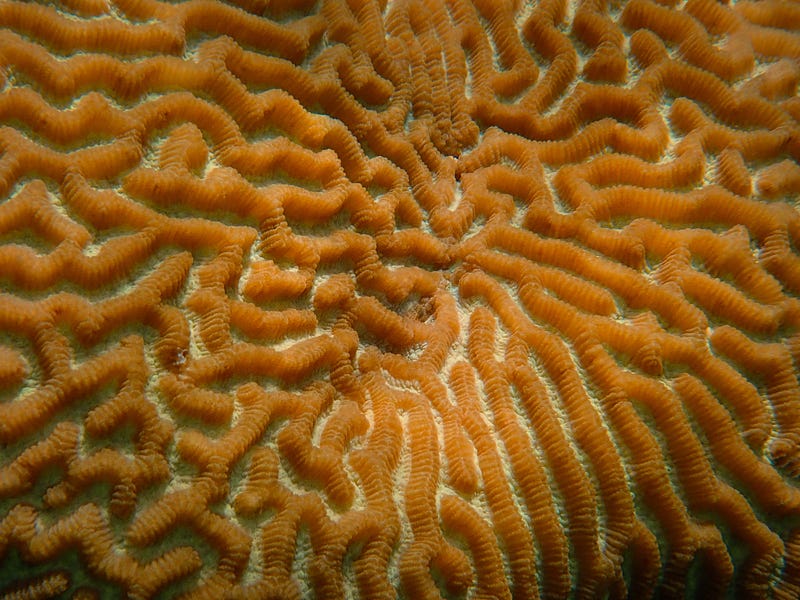
I was asked by Lynette Clements for my thoughts on imagination. As it happens, I know a fair bit about how the brain functions, and I can describe the exact mechanism by which imagination operates in a normal human brain.
The process begins when brain pixies run through the neuron field, distributing pixelf dust on the surface of receptive neurons, which burst into activity, crackling messages off in all directions. The linkages caused by these synaptic impulses create a momentary screen of pure thought, which manifests itself as something the exact opposite of what is actually present in the physical world around the human observer.
For example, if you are regarding a bowl of yummy Brussels sprouts, carefully boiled for half an hour and served in their broth, a dragon with golden eyes will appear in your interior mental screen and bowl you over to a dream state where anything can happen.
Feeding the imagination pixies is important. Sparkly sweet confections work best. Cabbage and cauliflower, not so much, unless dipped in chocolate.

The other inputs to cogitation are also important. What comes in through your ears, for example. If you are sitting in church, listening to an inspiring sermon on the benefits of duty and responsibility — an important subject requiring full attention — the audio sprites of your cortex will initiate songs of distant lands where graceful nymphs carouse and frolic together in a dance of brilliant ecstasy.
For the student of imagination, it is possible to track the footsteps of the brain pixies, each one a different rainbow colour, over the mental field. Look closely at the patterns created, and let your mind romp along in that exact path, jumping and leaping for the sparkling glitters of pixy thoughts.
And that is how imagination works. For me, at any rate.
I’d like to ask the following ILLUMINATION writers to describe any additional thoughts they might have on the scientific process of imagination:
Michele Thill, Dipti Pande, Chris Hedges, Tree Langdon ♾️, Trista Ainsworth, Desiree Driesenaar, Kay T., Besom & Bletherskite and anybody else who feels that they can add a fact or two.
Imagine: sharing a Nobel Prize for enhancing human knowledge!
Britni


