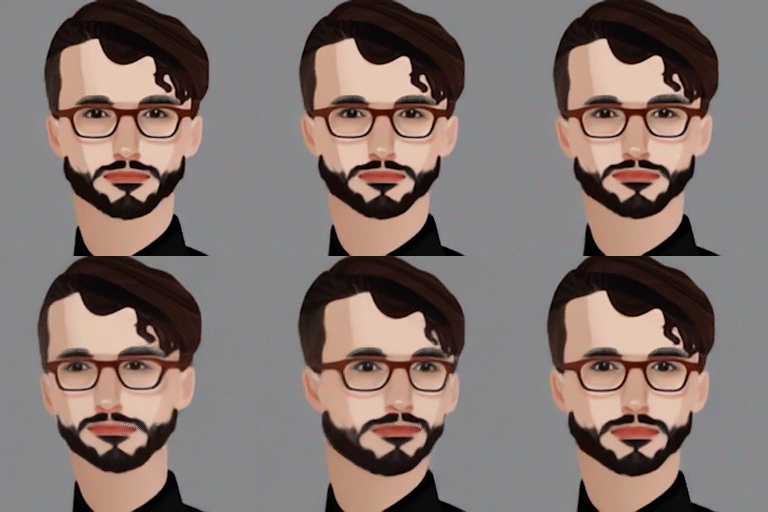
Images Created by AI Aren’t Necessarily Copyright Free
It makes sense to understand the risks
In September, The Verge reported that Getty Images had banned AI generated content from its platform due to concerns over copyright infringement.
This is because artificial intelligence programs typically use copyrighted images from the internet to identify what a subject looks like and to create its own version of that subject.
There’s a strong possibility that an AI created image may come out looking like a recognisable version of a copyrighted image. Some of them simply look like the original image has been run through a filter. Even if it’s a mishmash of different sources, an AI generated image may recreate parts of a copyrighted image, in such a way that the new artwork infringes a photographer’s or artist’s copyright.
So, in order to avoid legal problems and copyright infringement claims in the future, Getty Images has banned the sale of AI generated content on its site.
They follow a number of other sites who have banned AI generated content for the same reason, or because it devalues the work of human creatives. Newgrounds, PurplePort, and FurAffinity have all adopted a no AI content policy, reported The Verge.
You might have played around with AI image creation tools, thinking they offer a safer alternative to image libraries because they’re created by a piece of software, but actually, they are not risk free. The software relies heavily on drawing inspiration from other people’s images, and sometimes it’s not just inspiration, but a straight copy of parts of the image. That poses a potential problem.
Sites like DALL-E, Midjourney, and Stable Diffusion are offering creators exciting tools to create AI images, using lots of nifty special effects and cartoonish designs, for those who love to use AI. But the bottom line is, unless you are able to feed the software your own images exclusively, there could be issues with copyright infringement.
That risk is causing a number of image licensing agencies to review their policies and close their doors to AI generated content.
Getty Images CEO, Craig Peters, said they were making the change to protect customers from potential claims of copyright infringement. Getty images knows all about legal claims, of course, because they have a very active legal department, well-known for issuing legal claims against anyone who uses one of their images without permission. Years ago, I received one of these claims myself, and it cost my employer £1000. Not my fault, I should add — it was the error of a previous employee.
Peters said there were, “unaddressed rights issues, with respect to the imagery, the image metadata and those individuals contained within the imagery.”
So, for example, the models in photographs have not agreed to be included in your AI generated artwork, yet their image may be eerily recognisable, despite it being allegedly ‘created’ by an AI program.
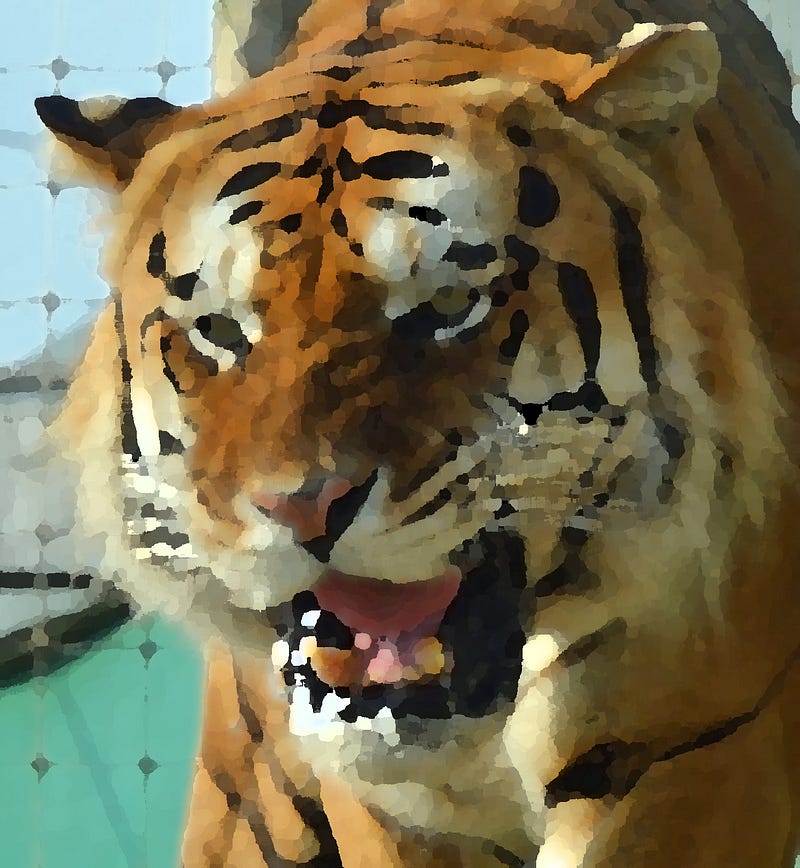
Some AI generated content is very similar to the original photography, and better resembles what you’d expect to get if you ran the original photo through a filter, than created anything new.
The verge reported, “some artists whose work has been scraped and imitated by companies making AI image generators have called for new laws to regulate this domain.”
It raises the obvious question of whether AI created images that are cartoonised are less likely to breach someone’s copyright than something that looks more like a photo. I honestly can’t answer that, as it’s quite likely that the software draws from all kinds of copyrighted drawings and imagery, as well as photographs online. As always, the safest option is to use your own photos.
© Susie Kearley 2022. All Rights Reserved.
More from me…