
While Black Series
I’m Tired (of Racism)
I’m a Black woman, but sometimes I don’t speak about race and racism. Because I’m tired…
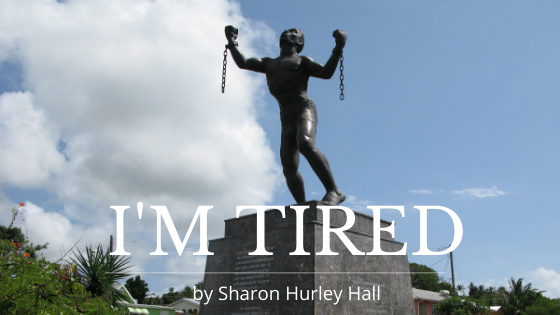
I’m tired of the color of my skin being a reason to stop me from my daily rounds or, in the US, a mark of death.
I’m tired of the name calling — the first time someone called me a n****r, I was 6 or 7. I can still remember the sting. I’ve been called that word in multiple languages, and it hurts in all of them.
I’m tired of the “problem” of my hair. The nun who ran my primary school in the ’70s took exception to my Afro. “Is it clean, is it neat?”, asked my dad. “If the answer is yes, we have nothing to talk about.” I remember interviewing for a job in the ’80s and being told I’d have to do something about my braided hair if I got the job. Everyone else in the world can wear their hair the way it grows from their head — what makes our hair so different?
I’m tired of the double-take when I walk into an interview — my name could be that of a blue-eyed lass from Ireland. They weren’t expecting to see me. One colleague complained that my name “wasn’t African enough”. Who asked her, anyway?
I’m tired of the reduced expectations — the people who think I’m of lesser intelligence (trust me, I’m not!), and the ones who assume I’ll only be interested in Black issues. I’m a human being and this is my planet, so stuff it! Plus, I’m a polymath — I’m interested in a bunch of things.
I’m tired of people taking one look at my profile picture and thinking I’m worth less, or even worthless. Despite two Masters degrees and more than 30 years of writing experience, some people want to pay me less than entry-level colleagues from outside the Diaspora. I’m not taking it, though. I value myself, even if some don’t value me.
I’m tired of the coverage — the crackheads, thugs, mammies, pimps and drug dealers that were all that represented people like me until a couple of decades ago. And, even though it’s better, there are still plenty of those shaping how people see us. (Why did Denzel win his Oscar for being a dirty cop rather than for any of the other fine characters he played. He was an awesome Malcolm X, but I guess that was too much of a threat?)
I’m tired of the “it was a long time ago” — systematic oppression has no expiry date.
I’m tired of the “I’m not racist because …” — if you’re not explicitly anti-racist, you’re part of the problem.
I’m tired of feeling like if I say how I really feel about inequity and lack of diversity, people will stereotype me as an “angry Black woman”. Yes, I’m a Black woman, and I’m angry about these issues, but it’s not the same thing. I’m tired of more than 50 years of this shit for me, and 400 years of it for people that look like me.
I’m tired of having to educate people who can read and learn about everything else in the world about white privilege, racism and history. Please, just #dothework
When it comes to racism (overt aggresions and microaggressions), there are lots more things I’m tired of, but mostly I’m just tired…
© Sharon Hurley Hall
If you found this article interesting or insightful, I invite you to subscribe to my anti-racism newsletter to see more of my articles on racism and anti-racism. You can also read my writing on writing, travel and more on sharonhurleyhall.substack.com


