
I’m Stuck in Pandemic Limbo
As one of 10 million immunocompromised Americans
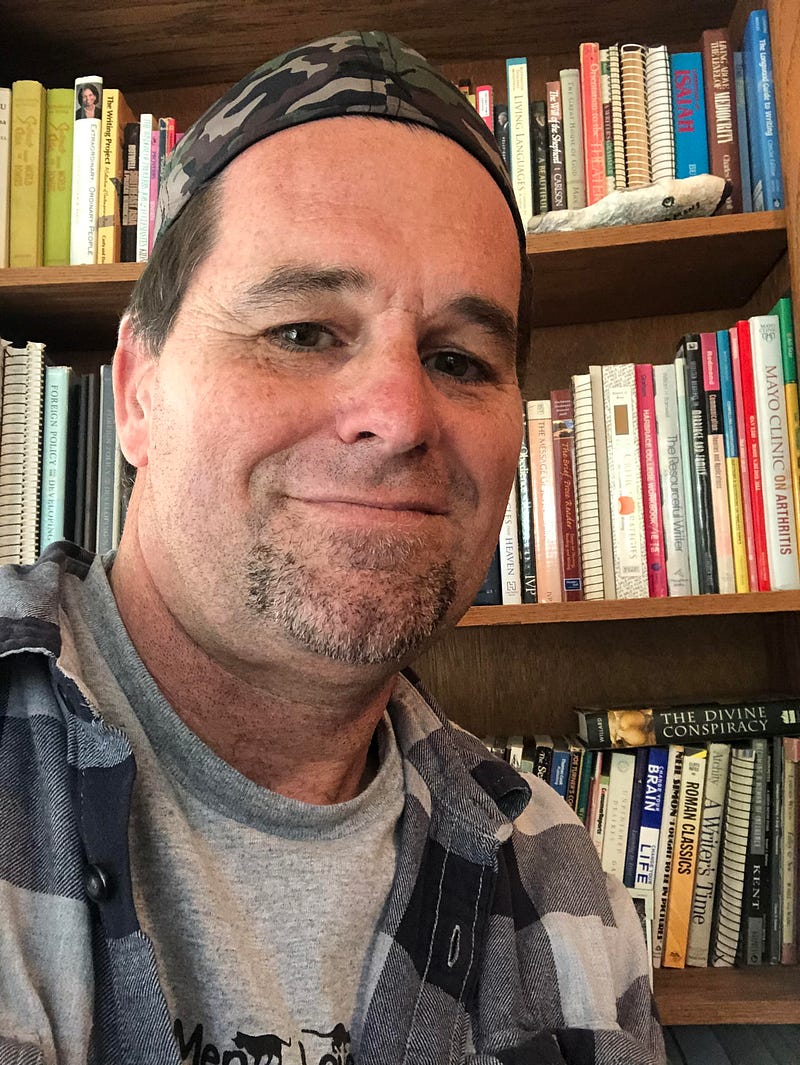
Eight years ago, I had a cold that wouldn’t go away for several months. I would wear two or three shirts because my body would get chills. Finally, I made an appointment with my doctor because the virus wasn’t going away.
A blood test revealed I have a rare blood disorder called Thrombocytopenia (ITP) which can be deadly if your blood platelet count drops too low.
I didn’t really take having an autoimmune disease too seriously at first. But once the pandemic hit in 2020, I started to realize the effect COVID-19 could have on my immune system would be more dangerous than for other people.
While life has returned back to normal for most people, I am not alone in still being concerned about my health. Those people you see still wearing masks in the grocery, at work, or out at the park may be immunocompromised like me.
An estimated 10 million Americans are immunocompromised. It could be from treatments for cancer or autoimmune diseases like multiple sclerosis (MS), lupus, Guillain-Barre syndrome, type 1 diabetes, or Chron’s Disease.
What bothers me the most is how immunocompromised people like myself have been largely left out of the conversation from the start, and there doesn’t appear to be a recognition of how dangerous COVID-19 is to people like me.
The forgotten ones
I haven’t heard the immunocompromised talked about during the tv news reports once in the past two years — or that people like me are still at risk.
During the whole pandemic, I’ve felt like the invisible one. It’s like the risk to people with compromised immune systems isn’t a concern to anyone but us; and, fortunately, it’s been easy to social distance from people as an introvert.
I decided not to get vaccinated after my work made an appointment for me. My wife suggested I google to see if anyone with my condition had an adverse reaction, and I read about a physician who died soon after being vaccinated.
The story said the doctor was a healthy 56-year-old before getting the Pfizer vaccine shot. A week later, he was diagnosed with ITP and his blood platelets went from dangerously low to zero, and soon after he had a stroke and died.
I decided not to become vaccinated after reading the story despite all the widespread pressure for everyone to “get the shot,” and my doctor agreed since immunocompromised people were not included in the vaccine trials.
Many health experts have said the vaccines are less effective on people with a compromised immune system, so being vaccinated doesn’t provide the same protection, and I’m not sure how my immune system would respond to it.
My life is in limbo
I’ve been a high school teacher for 16 years and being in a classroom with groups of 30 kids puts me at a risk to COVID-19 exposure. My doctor provided a note stating I needed to have a work accommodation for this school year.
I requested for my school district to make an accommodation for me to work with at-home students on Independent Study — none was granted — and so I’ve used my sick days and been paid 50% of my salary, per contract bylaws.
The American Disabilities Act (ADA) says that an employer must attempt to make a reasonable accommodation to those with a disability — and I believe that having an autoimmune disease in a pandemic represents a disability.
Sure, I could go back to a classroom and have an accommodation where I teach with an N-95 mask and have a protective shield around my desk and where there’s an accommodation to have students keep a five-foot distance.
But does this sound like it would create a good learning environment?
So, it appears I’ve made the controversial decision to stand up for my right to ask for a work accommodation that is now putting my career into jeopardy.
Mental health
I’ve managed to maintain my mental health by working on projects such as writing on Medium.com and creating an online course with my wife for parents of autistic kids. I’ve also started a YouTube channel about writing.
These have helped me not to worry or get anxious about the future, and like many people in the pandemic, I’ve taken time to think about the direction of my life, so the time off from work has helped me grow in self-understanding.
I’ve enjoyed the slower pace of my life where I don’t come home exhausted every day from interacting with my students and managing their behavior, and I feel like I’ve been able to be more emotionally present to my family.
But obviously, I need to be able to work to make an income for my family, and this unknown aspect of my life does sometimes take a toll on my mental state.
The future ahead
As the public health saying goes, we may be done with COVID-19, but COVID may not be done with us — and this seems especially true for the diverse lot of immunocompromised people facing difficult work circumstances like myself.
Others may go on with their life, but it’s harder for the immunocompromised.
My wife has supported me in my decision to request a work accommodation. We felt protecting my health was important to our family’s future, and we’ve been discussing what to do if my employer doesn’t change their position.
Unless I manage to escape like Cinderella in her carriage at midnight, I fear I will continue to be one of the 10 million forgotten ones during the pandemic and I’m not sure what that means for my family … but I’m trusting in God.
Thanks for reading my story.
You might also like:
Check out my YouTube video on tips to write interesting stories on book … or if you want to buy me a cup of coffee, I’d appreciate it.